
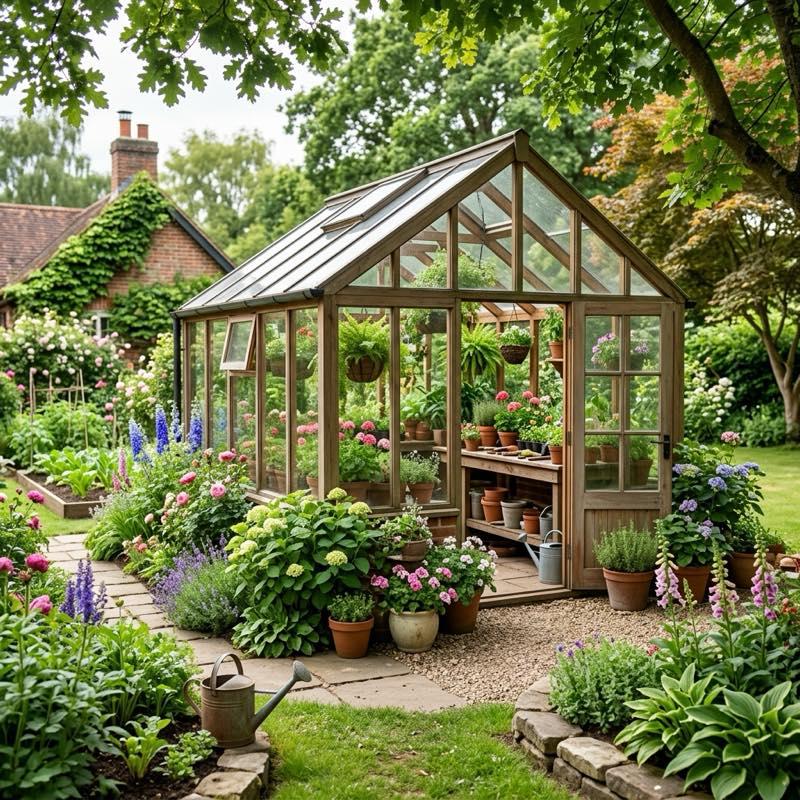
For passionate gardeners, a greenhouse is more than just a functional structure for extending the growing season; it is a sanctuary, a focal point, and an expression of personal style. The growing popularity of backyard gardening has led to a demand for structures that blend horticulture with architectural beauty, making the aesthetic garden greenhouse design a highly sought-after feature. A beautiful greenhouse enhances the visual appeal of your landscape, creating a charming destination that draws you into the garden. By carefully planning the layout, materials, and staging, you can create a space that is both highly productive and visually stunning. In this guide, we will explore the key aspects of an aesthetic garden greenhouse design, compare framing and glazing options, and provide styling tips to create your own garden retreat.
Selecting the Perfect Location and Orientation
Selecting the perfect location and orientation is the first step in designing a successful greenhouse. To ensure your plants receive optimal sunlight, place the greenhouse in an open area that receives at least six hours of direct light daily, ideally with a southern or southeastern exposure. However, because this structure is a major focal point in your landscape, its visual integration is just as important as its solar performance. Position the greenhouse where it can be seen and enjoyed from your home’s main windows or patio. Nestling the structure among mature trees or flanking it with flower beds helps blend it into the surrounding garden, making the aesthetic garden greenhouse design feel like a natural extension of your home’s outdoor architecture. This visual harmony enhances the overall design.
Wood vs. Metal Framing Options
The choice of framing material is a key design decision that shapes the overall look and feel of your greenhouse. Traditional wood frames, particularly those crafted from cedar or redwood, offer a classic, rustic charm that blends beautifully with organic garden settings. Wood is a natural insulator, helping to regulate indoor temperatures, and it can be painted or stained to match your home’s trim. For a more modern or industrial look, aluminum or steel frames provide sleek, thin profiles that maximize glass area. Metal frames are exceptionally durable, low-maintenance, and rot-resistant, making them a practical and stylish choice for contemporary gardens, while wood frames remain the gold standard for traditional design. Each framing style has its own unique advantages and aesthetic appeal.
Glazing Materials: Glass, Polycarbonate, or Acrylic
Glazing materials are another critical factor, affecting both the thermal efficiency and the overall appearance of the structure. Standard glass is the most beautiful glazing option, offering crystal-clear views that allow you to see the plants inside and creating a classic conservatory look. However, glass is heavy, fragile, and can be expensive. Polycarbonate panels, on the other hand, are lightweight, impact-resistant, and provide excellent light diffusion, which protects plants from sunburn. Double-wall polycarbonate also offers superior heat retention. For an aesthetic garden greenhouse design, many gardeners choose to combine both materials, using clear glass for the side walls to maintain beautiful views and durable polycarbonate for the roof to ensure safety and insulation. This hybrid approach balances style and safety.
Venting and Climate Control Systems
Effective climate control is essential for keeping your greenhouse plants healthy throughout the changing seasons. Proper ventilation is the foundation of temperature regulation; look for a greenhouse design that features automatic roof vents, which open and close based on indoor temperature using wax-filled cylinders that expand when hot. Wall-mounted louvers and circulating fans can also help move air and prevent stagnant, humid conditions that promote plant diseases. During hot summer months, adding shade cloths or growing deciduous vines over the structure can protect delicate plants from scorching heat, while a small electric heater or thermal mass barrels can keep the space warm in the winter. Controlling the environment ensures a year-round growing season.
Interior Layout and Plant Staging Ideas
Styling the interior is where you can truly express your personal style and create a beautiful garden sanctuary. Use a combination of sturdy potting benches, rustic wooden shelves, and decorative iron plant stands to display your plants at various heights, creating visual interest. Group plants with similar care needs together, and use terracotta or ceramic pots to add texture and color. Leave space for a comfortable chair or a small bistro set, allowing you to sit and enjoy the warm, fragrant air surrounded by luxury greenery. Adding personal touches like vintage gardening tools, decorative watering cans, and botanical artwork will make the greenhouse feel like a cozy, inviting garden room. It becomes a peaceful sanctuary away from daily stress. This makes potting plants and organizing seeds a highly therapeutic activity that you will look forward to every day.
Comparing Greenhouse Styles
| Greenhouse Style | Framing Material | Glazing Material | Durability | Aesthetic Vibe |
|---|---|---|---|---|
| Victorian Conservatory | Wrought iron / Powder-coat steel | Tempered safety glass | Very High | Classic, formal, historic |
| Rustic English Cottage | Red cedar or redwood | Glass sides, polycarbonate roof | High (natural oils) | Warm, organic, cozy charm |
| Modern Minimalist | Anodized black aluminum | Double-wall clear glass | Very High | Sleek, graphic, contemporary |
| Geodesic Dome | Struts of timber / PVC | Polycarbonate triangles | High (wind resistant) | Futuristic, sculptural, organic |
| Lean-To Wall Mount | Dark grey aluminum | Acrylic / Tempered glass | High | Compact, seamless integration |
Creating Charming Pathways and Borders
Creating charming pathways and garden borders surrounding your greenhouse will integrate the structure into the rest of your yard. Lay down gravel, brick, or flagstone pathways leading to the greenhouse door, and line them with low-growing herbs like lavender, thyme, or chamomile that release fragrance when brushed against. Plant colorful perennial borders around the base of the greenhouse to soften the structure’s foundation and attract beneficial pollinators. A well-designed path makes accessing your greenhouse easy and enjoyable, while surrounding plants help frame the structure, ensuring that your aesthetic garden greenhouse design looks beautiful from every angle in the yard. This external staging creates a beautiful transition between the wild garden and the glasshouse.
Lighting and Decorative Enhancements
Adding decorative lighting and functional accessories can extend the usability of your greenhouse into the evening hours. Hang solar-powered fairy lights or a vintage-style pendant light from the roof frame to create a warm, magical glow after dark. Install low-voltage path lights along the walkway to ensure safe access at night. Inside, add useful accessories like a decorative hose reel, a wall-mounted thermometer, and storage baskets for seeds and labels. These small details keep the space organized and functional while enhancing the overall charm, making your greenhouse a favorite spot to relax and potter after a long day. It turns the greenhouse into an evening garden retreat. These lighting setups allow you to potter in the greenhouse safely at night.
Looking ahead, achieving an aesthetic garden greenhouse design is a wonderful way to combine your passion for gardening with beautiful landscape architecture. By carefully selecting the ideal location, choosing elegant wood or metal frames, and combining glass and polycarbonate glazing, you can build a structure that is both productive and stunning. Focus on styling the interior with comfortable seating, terracotta pots, and climbing plants, and create inviting pathways that connect the greenhouse to your garden. With proper ventilation and thoughtful decorative elements, you can create a magical, year-round retreat that serves as a beautiful focal point in your yard, providing joy and inspiration for many years to come. It is an investment that transforms your garden’s aesthetic.
To learn more about optimizing your space, explore our guide on Modern Backyard Office Pod Layouts.
For additional tips on creating a beautiful home, read our article about Modern Backyard Inground Trampoline Setups.
If you are planning a renovation, you might also find our ideas on Raised Bed Gardening Guide helpful.
To discover more sustainable choices, check out our tips on Garden Soil Preparation.
Enhance your living space further by exploring our recommendations for Best Solar Outdoor String Lights for Patio.