
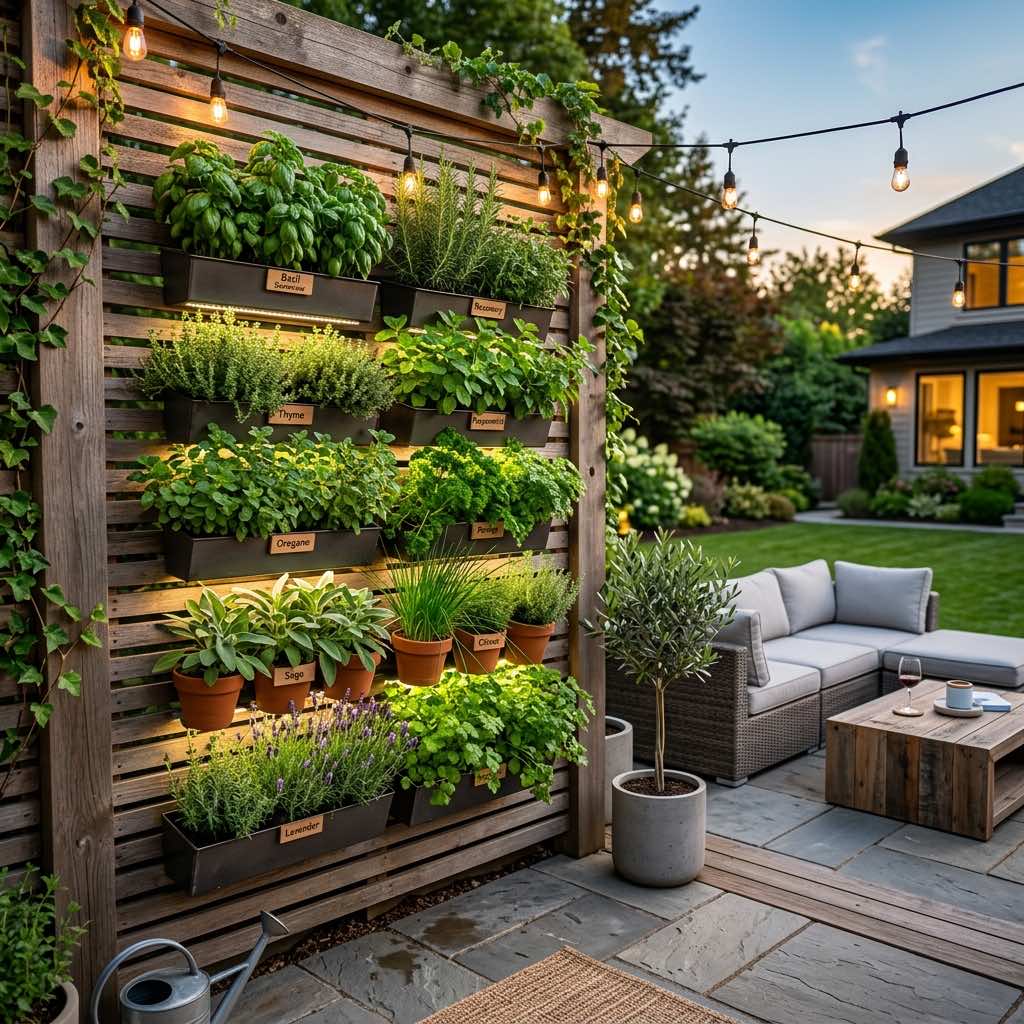
Urban yard spaces and compact suburban patios often present a challenge for traditional gardening. When ground space is limited by concrete decks or narrow pathways, growing flowers, vegetables, and herbs can feel impossible. However, vertical landscaping offers a smart solution, turning bare walls and fences into lush, green focal points. Exploring creative backyard vertical garden ideas is the ultimate way to maximize your growing space while adding organic texture to your outdoor areas. By mounting pockets, pots, or trellises on vertical surfaces, you can create a beautiful green wall that purifies the air and provides a fresh source of herbs. In this comprehensive landscaping guide, we explore how to choose materials, select plants, automate watering, and style your vertical garden.
The Rising Popularity of Vertical Gardening
Vertical gardening has become a major outdoor design trend, particularly for compact yards and balconies. When researching various backyard vertical garden ideas, you will find that these setups make excellent use of vertical space that is normally wasted. Instead of planting in traditional garden beds, plants are grown in vertically stacked containers or pockets attached to a wall, fence, or free-standing structure. This method makes gardening accessible for those without large lawns, while creating a stunning visual impact. Woven green walls block ugly fences, absorb outdoor noise, and create a cozy, private atmosphere that makes your backyard feel like a secluded jungle retreat.
1. Designing Trellises and Wall-Mounted Planters
The structure you choose for your vertical garden determines its durability and visual style. For a classic, organic look, build a wooden trellis using cedar or redwood, which naturally resists rotting. You can mount modular terracotta pots or metal planters onto the trellis using sturdy brackets. For a modern, seamless look, install a felt pocket planter system directly onto your wall or fence. These fabric pockets hold soil and allow plant roots to breathe, creating a dense, continuous wall of green. Ensure the mounting hardware is strong enough to support the heavy weight of wet soil and mature plants.
2. Plant Selection Rules: Herbs, Ferns, and Succulents
Selecting the right plants is critical to ensure your vertical garden thrives. Group plants with similar light and water requirements together in the same planter. For a sunny kitchen garden, plant culinary herbs like basil, rosemary, thyme, oregano, and mint. If your wall sits in the shade, choose lush ferns, hostas, heucheras, and English ivy to create a soft, textured look. For a low-maintenance setup, succulents like echeveria and sedum are excellent because they require very little water. Avoid planting large vegetables or invasive plants that will quickly outgrow their small containers and crowd other species.
3. Choosing the Right Soil and Potting Mixes
Because vertical planters hold a limited amount of soil, you must use a high-quality, lightweight potting mix. Standard garden soil is too heavy and compacts easily in small containers, blocking oxygen from reaching the plant roots. Choose a potting mix enriched with perlite, peat moss, or coconut coir to ensure excellent drainage and air circulation. When testing different backyard vertical garden ideas, you should always check that your soil contains plenty of nutrients and compost. Adding organic compost provides a steady source of nutrients for your plants. Because small vertical containers dry out faster than the ground, using a soil mix that retains moisture while draining excess water is key to keeping your plants healthy and green.
4. Drip Irrigation and Watering Solutions
Watering a vertical garden manually with a hose can be difficult, as the top containers dry out quickly while the bottom ones can become waterlogged. Implementing automatic drip irrigation is one of the best backyard vertical garden ideas to ensure even, reliable watering. Run thin microtubes to each individual pot or pocket, and connect the system to a smart hose faucet timer. Program the timer to water for a few minutes in the early morning, reducing water waste and keeping the soil consistently damp. A drip system saves you time and ensures your green wall remains vibrant and healthy all season.
5. Maximizing Sun Exposure and Air Circulation
Position your vertical garden in a location that receives the correct amount of daylight for your chosen plants. Most herbs and vegetables require at least six hours of direct sunlight daily, so a south or west-facing wall is ideal. Shady ferns and mosses prefer a north-facing wall that receives cool, indirect light. Ensure there is adequate air circulation around the planters to prevent fungal diseases and mold growth. Avoid placing the garden in stagnant, enclosed corners. Good air circulation and sun exposure keep the foliage dry, clean, and free of pests, supporting healthy plant development.
6. Styling the Surrounding Patio with Cozy Decor
To balance the lush, textured look of your green wall, stage the surrounding patio with comfortable furniture. Arrange a low-profile outdoor sectional sofa next to the vertical garden, styling it with weather-resistant linen throw pillows and a soft knit blanket. Place a rustic wooden coffee table in the center, and hang warm outdoor string lights above the seating area. When designing outdoor layouts, combining backyard vertical garden ideas with cozy ambient lighting creates a magical, intimate space that is perfect for evening relaxation. Staging your patio this way invites guests to sit back and enjoy the natural green view.
7. Winter Care and Protecting Vertical Planters
When the temperature drops, plants in small vertical containers are more vulnerable to frost than those planted in the ground because they lack the natural insulation of the earth. Before the first winter freeze, move sensitive herbs, warm-season vegetables, and delicate succulents indoors near a sunny window or transition them to an unheated greenhouse. For permanent outdoor installations, wrap the planter containers in burlap, bubble wrap, or specialized frost blankets to protect the roots from freezing winds. Reduce your watering schedule during the winter months, as plants grow slower and soil remains damp longer. Taking these protective steps ensures your vertical garden structure and perennial plants survive the winter, ready to grow again in spring with full health.
8. Sustainable and Reclaimed Wood Materials
To support an eco-friendly lifestyle, use sustainable or recycled materials to build your vertical garden frame. Look for reclaimed wood pallets, old ladders, or scrap timber to build unique, rustic planters. Using recycled materials keeps waste out of landfills while adding unique character and vintage charm to your yard. If buying new wood, look for FSC-certified lumber to ensure it comes from responsibly managed forests. Choosing sustainable materials aligns your gardening hobby with environmental conservation, creating a beautiful space that you can feel good about and share with others who value sustainability.
In conclusion, researching and implementing creative backyard vertical garden ideas is an outstanding way to transform a plain wall or fence into a lush, living masterpiece. By selecting the right wood frame, choosing appropriate plants, using lightweight soil, and installing a smart drip irrigation system, you can build a thriving green wall. Stage your patio with cozy furniture, protect your plants during the winter, and use sustainable materials. Enjoy the fresh herbs, clean air, and natural beauty of your staged vertical garden with family and friends for many years to come and enjoy a healthier outdoor life.