
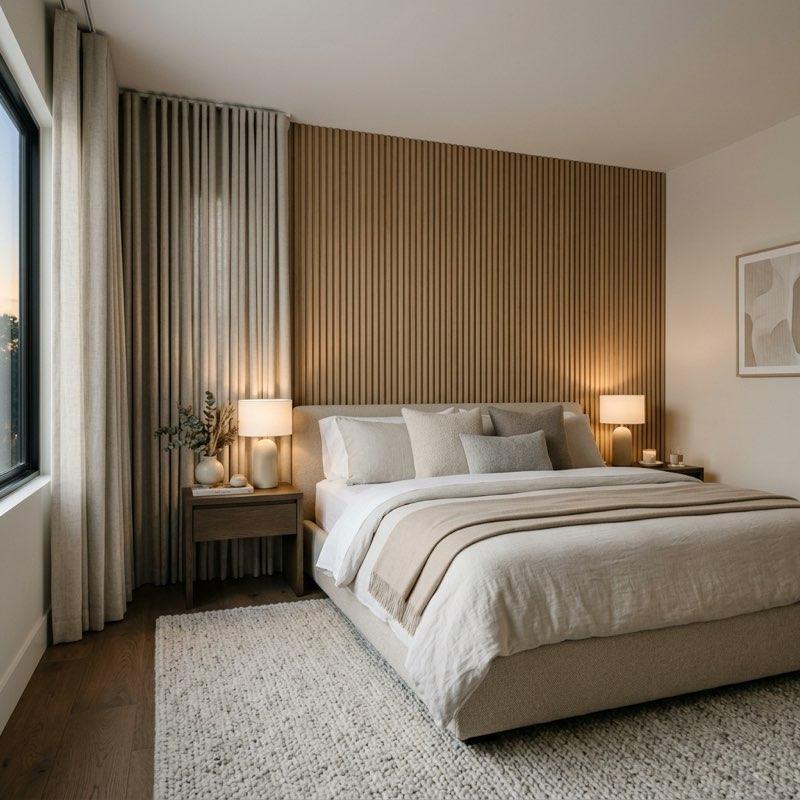
A peaceful bedroom is the foundation of a healthy life, serving as a quiet retreat where our minds and bodies can recover. However, external noises—such as street traffic, noisy neighbors, or household appliances—can disrupt our rest, leading to shallow sleep and daytime fatigue. If you want to improve your sleep quality, soundproofing your sleeping area is a highly effective solution. This comprehensive bedroom soundproofing guide explores the best acoustic treatments, structural fixes, and staging strategies to reduce noise and create a quiet, restful sanctuary in your home.
Understanding Bedroom Acoustics
Sound travels through the air as waves and can pass through solid structures by causing them to vibrate. Hard, flat surfaces like drywall, glass, and hardwood floors reflect sound waves, creating echoes that make noises sound louder. Implementing a proper bedroom soundproofing guide involves two main strategies: blocking sound (adding mass to walls, windows, and doors to stop sound from entering) and absorbing sound (using soft, porous materials to catch sound waves and prevent echoes). By combining these two approaches, you can create a quiet, insulated room that supports deep, restorative sleep.
1. Install Acoustic Fluted Wood Wall Panels
Thin drywall is a common path for sound transmission between rooms. To block noise from adjacent rooms, you need to add mass and dampening materials to your walls. A key recommendation in this bedroom soundproofing guide is to install fluted acoustic wood panels on the wall behind your bed. These panels consist of oak or walnut slats mounted on a thick backing made from recycled polyester felt. The felt backing absorbs sound waves, while the fluted wood slats diffuse echoes. This combination reduces sound transfer and adds a warm, modern architectural feature to your bedroom design.
2. Upgrade to Heavy-Duty Blackout Drapes
Windows are often the thinnest barrier in a bedroom, allowing street noise and wind to enter easily. Replacing your windows can be expensive, but you can block noise effectively using heavy textiles. According to this bedroom soundproofing guide, hanging heavy-duty, multi-layered blackout curtains is a simple and cost-effective fix. Look for drapes made from dense, heavy fabrics like velvet, wool, or triple-weave polyester. Ensure the curtains extend from the ceiling to the floor and cover the window frame completely, sealing the edges where sound can leak into the room.
3. Seal Gaps in Windows and Doors
Sound waves behave like water; they will leak through any gap, no matter how small. The space under your bedroom door or around window frames is a common path for noise. To block these leaks, follow the weather-sealing tips in this bedroom soundproofing guide. Apply self-adhesive silicone weatherstripping along the inside of window frames and door frames to create a tight seal. Install a heavy draft stopper or a sweep at the bottom of your bedroom door. These simple steps block air leaks and significantly reduce the amount of high-frequency noise that enters your room.
4. Ground the Space with a Thick Wool Rug
Hardwood or laminate floors look beautiful, but they reflect sound waves, creating echoes that amplify footsteps and voices. To soften the acoustics of your room, add dense floor coverings. As outlined in this bedroom soundproofing guide, placing a large, thick wool area rug under your bed is highly effective. Choose a rug made from natural wool loops with a thick felt pad underneath. The fibers in the wool catch sound waves, reducing footstep noise and absorbing room echoes, which makes the entire space feel quiet, cozy, and insulated.
5. Swap Hollow-Core Doors for Solid-Core Doors
Standard interior doors in modern homes are often hollow-core doors, which are lightweight and act like a drum, vibrating and letting sound pass through easily. If you struggle with noise from the hallway, upgrading your door is a highly effective solution. This bedroom soundproofing guide recommends swapping your hollow-core door for a solid-core wood door. Solid wood doors are heavy and dense, providing a solid barrier that blocks mid-frequency sounds like television noise or voices, immediately improving the privacy and quietness of your bedroom.
6. Arrange Furniture to Deflect Sound
The layout of your bedroom can help block external noise. If you have a wall that faces a noisy street or hallway, you can use your furniture to create a sound barrier. According to space-planning tips in this bedroom soundproofing guide, placing a large, tall bookshelf filled with books against that wall is highly effective. Books are dense and absorb sound waves, while the wooden bookshelf adds mass to the wall. Also, positioning a tall upholstered headboard behind your bed helps block noise, protecting your sleeping area from sound vibrations.
Summary: Bedroom Acoustics checklist
Creating a quiet, sound-insulated bedroom is simple when you focus on these essential staging choices:
| Noise Source | Acoustic Staging Choice | Soundproofing & Comfort Benefit |
|---|---|---|
| Shared Drywall Walls | Fluted wood acoustic panels with felt backing | Absorbs wall vibrations and adds modern wood staging |
| Window Leaks | Ceiling-to-floor heavy velvet blackout drapes | Blocks street noise and light for deep sleep |
| Door Cracks | Silicone weatherstripping & door bottom draft sweep | Blocks hallway noise from leaking through open gaps |
| Hardwood Floor Echoes | Thick wool area rug with dense felt padding | Absorbs footstep sounds and dampens room echoes |
| Hallway Noise | Solid-core wood door replacement | Adds high-density mass to block voices and TV sounds |
Wrapping up, following a solid bedroom soundproofing guide allows you to build a peaceful, quiet sleep environment. By adding mass to your walls and doors, sealing gaps, and layering soft textiles, you can block external distractions. This acoustic staging protects your sleep cycle, helping you wake up refreshed and healthy every morning.
To learn more about optimizing your space, explore our guide on Modern Master Bedroom Sitting Area Layouts.
For additional tips on creating a beautiful home, read our article about Luxury Master Bathroom Walk-In Shower.
If you are planning a renovation, you might also find our ideas on Spa Like Bathroom Design helpful.
To discover more sustainable choices, check out our tips on Modern Powder Room Design Ideas.