
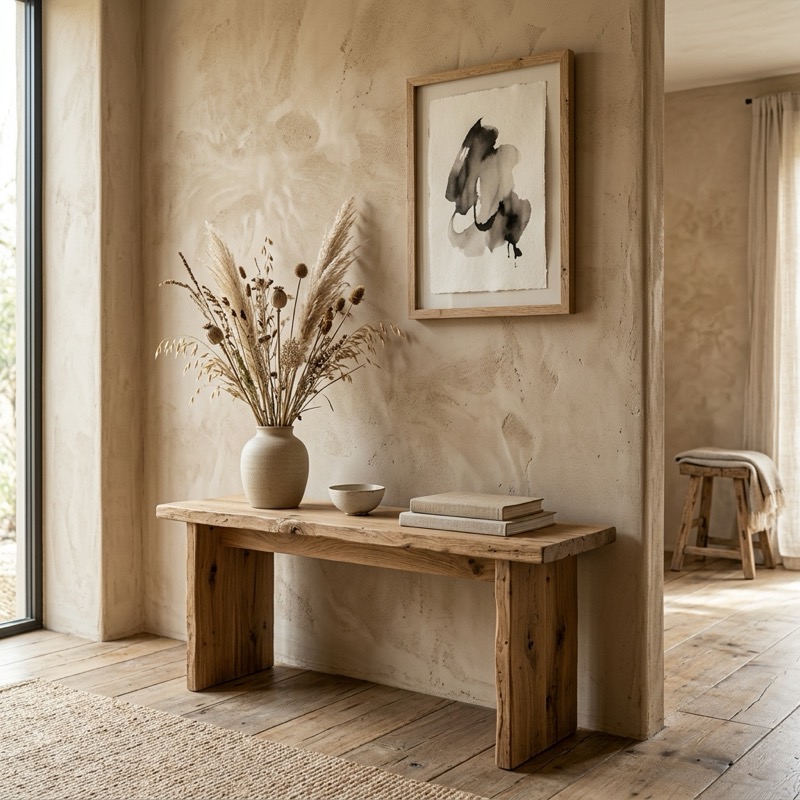
In the pursuit of healthier, more sustainable homes, interior designers and architects are looking beyond energy-efficient appliances and solar panels to examine the very materials that coat our interior surfaces. For decades, synthetic chemical paint and standard gypsum drywall have been the standard defaults for builders, despite their tendency to trap moisture and release volatile organic compounds (VOCs). If you are seeking a natural, sustainable, and visually stunning alternative, this comprehensive clay plaster walls guide will introduce you to clay plaster—an ancient, non-toxic wall finish making a major comeback in modern luxury design.
What is Clay Plaster?
Clay plaster is a blend of unfired clay, fine sand, and natural pigments, sometimes reinforced with straw or hemp fibers for added strength. Unlike modern gypsum plaster or acrylic paints, clay plaster does not undergo a chemical curing process. Instead, it simply dries in the air, retaining its natural molecular structure. This results in a highly breathable, porous wall finish that boasts a beautiful, soft, light-diffusing texture. Its organic variation and matte, earthy color range give any interior room an immediate sense of warmth, depth, and unique structural character, making spaces feel comforting, serene, and grounded, which is perfect for bedrooms and quiet living areas.
1. Embrace a Fully Non-Toxic and VOC-Free Home
The primary health benefit of choosing clay over synthetic alternatives is the absolute absence of chemical emissions. Standard household paints and synthetic plasters contain solvents, binders, and preservatives that off-gas VOCs into your indoor air for years after application, contributing to poor air quality. Clay plaster, being made entirely of earth minerals and natural pigments, is completely chemical-free and odorless. By implementing the suggestions in this clay plaster walls guide, you can create a safe, allergen-free indoor environment that is ideal for children, pets, and individuals with respiratory sensitivities.
2. Manage Indoor Humidity Naturally with Clay
Clay plaster is naturally hygroscopic, meaning it acts as a passive humidity regulator for your home. When the air in a room is highly humid—such as in a bedroom overnight or during a humid summer day—the clay absorbs excess moisture from the air. When the air dries out, the clay releases that moisture back into the room. This breathing cycle keeps your home’s relative humidity in the optimal range (between 40% and 60%), which naturally inhibits the growth of mold, dust mites, and bacteria, creating a healthier living environment and reducing the need for dehumidifiers.
3. Enjoy Superior Acoustics and Sound Dampening
In modern homes with hard flooring and minimalist furniture, sound echoes can make rooms feel cold and noisy. Clay plaster has a unique crystalline structure and a porous surface that absorbs sound waves rather than reflecting them. Applying clay plaster to the walls of a living room, bedroom, or home office significantly dampens ambient noise, reduces echo, and improves speech clarity. This creates a quiet, peaceful acoustic environment that enhances relaxation and focus, which is a major advantage of clay finishes for home workspaces.
4. Stage and Design with Wabi-Sabi Aesthetics
From an interior styling perspective, clay walls offer a depth and texture that paint simply cannot replicate. The subtle color variations and hand-troweled details catch natural light beautifully, casting soft shadows that change throughout the day. When planning your design, this clay plaster walls guide recommends styling clay walls with simple, high-quality organic furniture. Pair a textured beige clay wall with a raw oak console table, a ceramic vase filled with dried grasses, and natural linen drapes. This wabi-sabi aesthetic celebrates imperfection, simplicity, and natural beauty.
5. Prepare the Drywall and Substrate Correctly
While clay plaster is a natural material, applying it requires careful preparation of the underlying walls. Clay plaster can be applied over standard drywall, brick, stone, or concrete blocks. However, because plaster is heavier than paint, the substrate must be clean, stable, and rigid. Apply a dedicated natural plaster primer containing fine sand or marble dust to the drywall first. This primer creates a textured, gritted surface (known as “key”) that allows the wet clay plaster to bond securely to the wall, preventing cracking or peeling over time, ensuring a clean setup.
6. Select the Right Earthy Pigments and Tints
Because clay plaster relies on raw earth materials, the colors available are soft, soothing, and incredibly rich. When choosing your color palette, this clay plaster walls guide suggests looking at natural pigments like yellow ochre, red iron oxide, burnt umber, and forest clay. These minerals create warm shades that coordinate beautifully with natural woods and woven fibers. Unlike synthetic paint pigments, which can fade or look harsh under artificial light, natural earth pigments have a soft, low-contrast quality that remains visually pleasing in all lighting conditions.
7. Select the Right Plaster Mix and Application Technique
Clay plaster is available in different finishes, ranging from coarse, rustic textures containing straw fibers to ultra-smooth, polished finishes that mimic Venetian plaster. For a modern, versatile look, choose a medium-grade finishing plaster. Apply the plaster in two thin coats, using a stainless steel pool trowel. Hold the trowel at a slight angle and apply the mix with smooth, sweeping motions. As the second coat begins to dry, you can lightly compress the surface with a plastic trowel to achieve a smooth, matte finish that feels incredibly soft and velvet-like to the touch, reflecting ambient light beautifully.
8. Maintain and Repair Clay Plaster Easily
A common concern is that natural clay walls might be difficult to clean or repair. In reality, clay is one of the easiest finishes to maintain and repair in a residential environment. Because clay plaster contains no static charge, it does not attract dust or cobwebs like painted drywall, which simplifies your regular cleaning routine. If a wall gets scuffed or chipped, you do not need to repaint the entire room. Simply mist the damaged area with clean water to soften the clay, apply a tiny amount of fresh plaster mix, and trowel it smooth. The new plaster will blend seamlessly with the surrounding wall as it dries, leaving no visible patch or outline.
Summary: Clay Plaster Design Checklist
Plan your sustainable wall project by referencing this checklist from our clay plaster walls guide:
| Project Phase | Recommended Styling Choice | Environmental & Aesthetic Benefit |
|---|---|---|
| Primer Base | Gritted natural primer containing fine marble sand | Provides mechanical tooth for the clay to adhere to smooth drywall |
| Plaster Mix | Medium-grade unfired clay mixed with natural earth pigments | Completely VOC-free and odorless, ensuring optimal indoor air health |
| Color Tone | Warm beige, terracotta, or soft moss green earth tones | Creates a soft, matte surface that diffuses natural light elegantly |
| Furniture Styling | Solid matte oak console tables, linen curtains, ceramic art | Completes the organic, calm, and rustic wabi-sabi interior design |
| Drying Finish | Air-dried without heat, compressed with a plastic trowel | Ensures a breathable, damp-regulating, and soft-to-touch surface |
In conclusion, using this detailed clay plaster walls guide is a fantastic step toward creating an eco-friendly, healthy, and stunning home. By opting for breathable unfired clay over chemical-laden synthetic paints, you ensure your walls look beautiful and actively work to clean the air, regulate humidity, and quiet down noise. Start by choosing your earth tone pigments, priming your drywall thoroughly, and enjoy the organic peace of clay-finished spaces.