
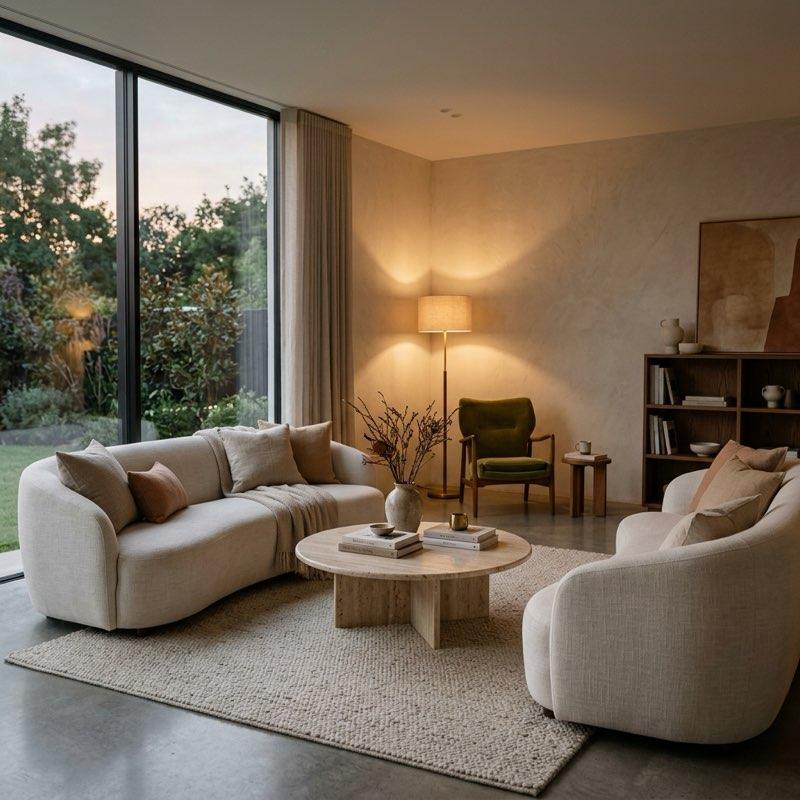
In modern home design, the living room is often treated as a media center rather than a gathering space. However, as interior designers and space planners, we believe a home should foster connection. By implementing a thoughtful conversational seating layout, you can transform your living room into an inviting sanctuary optimized for socializing, storytelling, and warmth. Whether you are dealing with a compact apartment or a sprawling open-concept space, the way you position your furniture directly dictates how people interact within your home.
What is a Conversational Seating Layout?
A conversational seating layout is a furniture arrangement designed specifically to encourage face-to-face interaction. Unlike layouts centered around a television screen, a conversational layout groups seating options around a central focal point—such as a fireplace, a large window, or a coffee table. The distance between seats is carefully planned (usually between 8 to 10 feet) to allow people to speak comfortably without raising their voices. By focusing on connection, this layout establishes a cozy, interactive boundary that makes guests and family members feel instantly welcome.
1. Choose the Right Central Focal Point
Every successful furniture arrangement begins with a clear anchor. For a true conversational seating layout, this anchor should not be the television. Instead, center your furniture around a natural architectural feature, such as a fireplace, a scenic window view, or a beautiful piece of art. Ground the center of this grouping with a spacious round coffee table made from a textured natural material like travertine stone or raw oak. This central piece serves as a shared landing zone for drinks, books, and decor, binding the seating group together visually and functionally.
2. Frame the Space with Curved Sofas
Curved furniture is a major design trend that excels in a conversational seating layout. Traditional rectangular couches push people to sit in a straight line, making eye contact difficult. In contrast, a curved sofa gently wraps around the central coffee table, naturally angling people toward each other. For larger living rooms, placing two low-profile curved linen sofas directly facing each other creates an intimate, balanced frame. The organic contours soften the room’s hard angles and create a flow that guides conversation naturally.
3. Incorporate Flexible Accent Chairs
To prevent a layout from feeling static, a great conversational seating layout must include accent chairs. Position two matching accent chairs opposite a primary sofa or adjacent to the curved seating. Opt for chairs with swiveling bases or open frames. Swivel chairs allow guests to easily shift their focus from one person to another without moving their chairs. Upholster these accent pieces in contrasting tactile fabrics, such as rich boucle, velvet, or woven wool, to add depth and warmth to the seating circle.
4. Define the Seating Zone with an Area Rug
An area rug acts as the visual envelope for your conversation circle. Without a rug, furniture pieces can look like they are floating aimlessly. In a proper conversational seating layout, the rug should be large enough so that all front legs of the seating pieces rest comfortably on it. Choose a textured, neutral-toned wool or jute rug to define the boundaries of the zone. The soft texture underfoot provides physical comfort and absorbs sound, creating a quiet, intimate acoustic environment that encourages relaxed conversation.
5. Balance Layout and Traffic Flow
While closeness is crucial for a conversational seating layout, you must also allow room to move. A common mistake is placing furniture so close together that it blocks natural pathways. Leave at least 30 to 36 inches of clearance for walking paths behind and around the seating group. Also, ensure there is about 14 to 18 inches between the edge of the sofa and the coffee table. This balance of closeness and open pathways ensures your living room feels spacious and functional rather than cluttered.
6. Layer Soft and Warm Accent Lighting
The mood of your conversation space is heavily influenced by lighting. Harsh overhead lighting kills intimacy, while a dimly lit room causes eye strain. When styling your conversational seating layout, layer your lighting sources. Place a tall, warm floor lamp next to a reading chair, add a small table lamp on a side console, and use dimmable wall sconces. Choose warm-toned LED bulbs (2700K) to cast a soft, candle-like glow across the seating circle, signaling to your guests that it is time to slow down, relax, and talk.
Summary: Conversational Layout Checklist
Arrange your living room for connection using this easy space-planning checklist:
| Design Element | Staging Choice | Conversational Purpose |
|---|---|---|
| Primary Seating | Low-profile curved linen sofas facing each other | Angled seating wraps guests and assists face-to-face eye contact |
| Secondary Seating | Two swivel accent chairs in woven wool or boucle | Offers flexible orientation and dynamic seating choices |
| Central Anchor | Travertine stone or raw oak round coffee table | Provides a functional center point for drinks and decor |
| Zone Boundary | Large textured neutral-toned wool area rug | Visually anchors furniture and provides acoustic dampening |
| Ambient Light | Layered floor lamps and table lamps (2700K) | Creates a cozy, relaxed mood for evening gatherings |
To summarize, designing a conversational seating layout is a powerful way to invite warmth and socializing back into your home. By choosing curved seating, centering furniture around a natural focal point, anchoring with a textured area rug, and layering warm lighting, you can create a beautiful space that celebrates conversation and quality time with the people who matter most.
To learn more about optimizing your space, explore our guide on Mid-Century Modern Living Room Decor.
For additional tips on creating a beautiful home, read our article about Scandinavian Modern Living Room Decor.
If you are planning a renovation, you might also find our ideas on Japandi Living Room Decor helpful.
To discover more sustainable choices, check out our tips on Tuscan Style Living Room Decor.
Enhance your living space further by exploring our recommendations for Best Durable Rugs for Homes with Pets.