Dollar Tree and Thrift Store Hacks: Elevating Basic Finds into Chic Designer Dupes
Our team at HomeTunez has seen a major shift in how modern homeowners approach decoration. For years, achieving a high-end designer aesthetic meant spending thousands of dollars at luxury boutiques. Today, budget-conscious design enthusiasts are realizing that style is not about price tags but about vision and creativity. Sourcing inexpensive items and upcycling them has become a powerful way to inject character into your home. With a few simple tools and a creative eye, basic items can be transformed into stunning designer dupes. This process allows you to customize your space while saving significant amounts of money on decor.
In my interior architecture practice, I always emphasize that a home should feel curated and layered rather than purchased all at once from a single showroom. Incorporating custom DIY projects and vintage thrifted finds adds depth, narrative, and warmth to a room. When you mix high-end architectural elements with smart, upcycled accents, you create a dynamic contrast that elevates the entire home. Budget design is not about settling for low-quality items, but about identifying potential in basic shapes and transforming them. By mastering a few simple techniques, you can make cheap items look like custom-designed art.
In my budget design and styling practice, I have discovered that some of the best design materials are hiding in plain sight at thrift stores and Dollar Tree aisles. A simple glass vase, a plastic planter, or an outdated wooden picture frame can become a stunning sculptural accent with the right finish. The key lies in looking past the initial cheap finish or color and focusing entirely on the silhouette. If an object has a pleasing form, it can be painted, textured, or modified to look incredibly expensive. This approach turns budget decorating into an exciting, creative treasure hunt that results in a truly custom home.
A cohesive home design should extend its aesthetic and ecological philosophy to every room. If you are focusing on bedroom styling, you can check out sustainable bedroom design ideas for inspiration on incorporating vintage dressers and natural materials into your sleep sanctuary. This connection helps create a calm and unified environment throughout your home. Sourcing ecological materials and vintage items prevents waste and supports a healthier lifestyle. A thoughtful home should be both visually beautiful and environmentally responsible, ensuring that every design choice contributes to a sustainable future.
Material Science and Durability in Upcycled Decor
Achieving a high-end designer look with budget finds depends heavily on the quality of the materials you use for the transformation. Using cheap spray paint or low-grade adhesives will result in a finish that scratches easily and looks amateurish. To ensure durability and a professional finish, you must select high-quality primers, paints, and sealers. For glass and ceramic upcycling projects, we recommend cleaning the surfaces thoroughly first. Using plant-derived cleaning sprays from Method will remove sticky residues, dust, and grease without damaging the underlying material or emitting harsh chemical fumes. This step ensures that your paint adheres perfectly to the surface.
When it comes to painting your budget creations, the quality of the pigment makes a significant difference. Traditional acrylic paints can look flat and synthetic, whereas premium coatings offer a velvety, high-end texture. Finishing your upcycled wood and plaster projects with eco-friendly paint from Farrow & Ball provides an unmatched depth of color. Their water-based, low-VOC chalky finishes scatter light beautifully, making simple clay or glass vessels look like expensive matte stoneware. Their paint formulas are highly durable and easy to clean, ensuring that your custom dupes look fresh and clean for years with minimal maintenance.
Restoring vintage wood furniture found at thrift stores requires careful preparation and sealing. Outdated side tables, wooden bowls, and frames often suffer from scratches, dirt, and water rings. After sanding the wood back to its natural state, protecting it with premium wood sealers from Bona ensures a beautiful finish that resists daily wear. Their wood sealers prevent moisture penetration and preserve the natural color of the timber without yellowing. Regular maintenance with their specialty wood cleaners keeps your thrifted furniture looking pristine, preventing scratches from dulling the surface over time.
If your upcycling projects involve upholstery or soft furnishings, choosing high-performance textiles is essential for longevity. Thrifted dining chairs, vanity stools, and bench seats can easily be updated with new fabric. For indoor cushions that will see daily use, selecting performance fabrics from Crypton ensures excellent stain, odor, and moisture resistance. Their patented technology prevents liquids from soaking into the cushion core, making cleanups simple. For budget patio projects or window benches exposed to direct sunlight, using solution-dyed acrylic fabrics from Sunbrella provides maximum resistance to fading, water, and mildew under harsh outdoor conditions.
Before styling thrifted table linens or throw pillow covers, cleaning them thoroughly is essential. Using the best eco-friendly laundry detergent sheets removes years of dust and odors without damaging vintage fibers or leaving chemical scents. These sheets dissolve completely in cold water, making them perfect for delicate antique lace, cotton, or linen textiles. Sourcing clean cleaning products ensures that your family is safe from harsh chemical residues. Combining eco-friendly laundry care with high-performance upholstery fabrics protects your investment and ensures a healthy, beautiful home environment.
Built-In Integrations and Space Optimization
Integrating upcycled decor and thrifted finds into your home layout is the key to creating a cohesive, customized look. Instead of scatter-styling random thrifted knick-knacks around a room, group them together inside custom built-ins or alcove shelving to create a unified design statement. For instance, you can use Dollar Tree storage bins inside a pantry or closet to maximize storage space. Wrapping these cheap plastic bins in textured contact paper or linen fabric elevates their appearance, turning simple storage containers into chic drawer organizers that optimize every square inch of your cabinets.
When designing shelving for upcycled collectibles, spatial layout is highly important. You can use thrifted corbels or brackets to support open shelves, painting them to match your walls for a seamless, built-in architectural look. This trick creates a high-end custom feel at a fraction of the cost of custom millwork. Grouping thrifted brass candlesticks, stoneware vessels, and old art books in clusters of three creates a curated gallery feel. Using vertical height on your walls draws the eye upward, making small rooms feel larger. Thoughtful shelf styling turns basic items into intentional focal points.
When setting up your DIY workspace or displaying valuable thrifted collectibles in your entryway, security should not be overlooked. Installing the best smart indoor security cameras for home allows you to keep an eye on your crafting corner and monitor deliveries of vintage items. Modern smart cameras can be easily concealed inside custom shelving boxes or between upcycled bookends. This placement ensures that your security setup remains unobtrusive, maintaining the premium design aesthetic of your space. Having visual access to your workspace provides peace of mind while you focus on your creative projects.
To automate your newly upcycled table lamps and display shelves, you can integrate them into a smart system. Understanding different smart home protocols (Zigbee, Z-Wave, Wi-Fi) helps you choose the right smart plug to control your custom lighting designs automatically. For example, using Zigbee smart plugs allows you to schedule your upcycled thrift-store table lamps to turn on at sunset. This home automation setup creates a warm, welcoming atmosphere without requiring manual switching. Integrating smart controls behind vintage lamp fixtures shows how technology can support beautiful, budget-friendly interior styling.
Ultimately, space optimization is about making your home work harder for you. Combining cheap Dollar Tree organization hacks with custom woodwork creates a neat, functional environment. For example, you can mount upcycled wooden crate boxes to walls to store hats, gloves, or pet supplies in an entryway. This keeps floors clear and makes transitions smoother. Using uniform baskets and customized shelves ensures that your home remains tidy and visually pleasing. A well-organized space reduces daily stress and allows you to enjoy the beauty of your curated interior decor.
Evaluating Popular Upcycling Projects
To help you evaluate which upcycling projects are worth your time and effort, our team has compiled a detailed comparison of popular Dollar Tree and thrift store hacks. Each project offers unique benefits, cost estimates, difficulty levels, and durability considerations that you should weigh based on your budget and DIY skills. Sourcing the right finishing materials and applying them correctly ensures that your projects look expensive and stand up to daily use. The following table compares five popular upcycling hacks to help guide your next weekend design project, allowing you to choose the best option for your home’s layout.
| Project Hack | Average Cost Range | Difficulty Level | Durability & Lifespan | Key Finish Material | Aesthetic Design Dupe |
|---|---|---|---|---|---|
| Stoneware Vessel Hack | $5 – $15 | Very Easy (1-2 Hours) | Very High (10+ Years) | Farrow & Ball Paint & Baking Soda | Chic Matte Ceramic Vase |
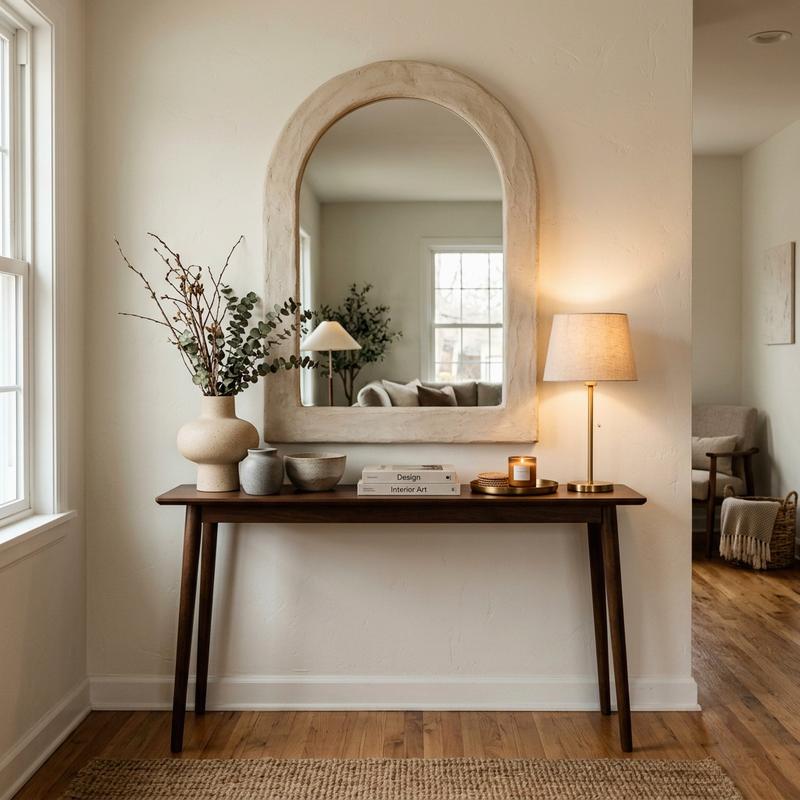
| Vintage Gold Mirror | $15 – $40 | Medium (3-4 Hours) | High (8-10 Years) | Gold Rub ‘n Buff & Plaster | Antique French Brass Mirror |
| Textured Canvas Art | $10 – $25 | Easy (2-3 Hours) | Very High (15+ Years) | Joint Compound & Acrylics | Minimalist Plaster Wall Art |
| Upholstered Stool Hack | $20 – $50 | Medium (4-5 Hours) | Outstanding (10-12 Years) | Crypton / Sunbrella Fabric | Designer Bouclé Accent Seating |
| Industrial Storage Baskets | $5 – $12 | Easy (1-2 Hours) | Good (5-8 Years) | Matte Black Spray Paint & Twine | Wire Storage Cubby Bins |
Choosing the right upcycling project depends on your specific interior style and the needs of your home. For instance, the stoneware vessel hack is a great starting point for beginners looking for immediate visual impact, while reupholstering a vanity stool offers a more advanced woodworking and textile challenge. By utilizing high-quality finishing materials like performance fabrics and premium paints, you ensure that these budget-friendly updates blend seamlessly with your existing designer furniture. Next, we provide a comprehensive step-by-step guide to executing the matte stoneware vessel hack, helping you turn cheap glass into a gorgeous designer dupe. With the right sanding and paint mixture, this project yields beautiful, professional-grade results.
Step-by-Step DIY Implementation Guide
Transforming a basic Dollar Tree glass vase into a high-end ceramic stoneware dupe is an excellent weekend project that yields massive design returns. Glass vases at discount stores often have generic, cheap-looking silhouettes, but their basic structural forms are perfect for upcycling. This step-by-step guide walks you through the entire process of cleaning, mixing paint, texturing, applying coatings, and styling your new vessel. By following these phases carefully, you will create a beautiful, matte, textured vase that looks like an expensive piece of studio pottery.
These affordable upcycling tricks are perfect for refreshing your main gathering areas. You can combine these hacks with budget-friendly modern living room decor ideas to create a high-end aesthetic that looks curated and expensive without breaking the bank. Achieving this balance is the key to successful budget decorating, proving that you do not need to spend a fortune to have a stylish, inviting home.
Step 1: Surface Preparation and Cleaning
Begin by choosing a glass vase with a pleasing shape, such as a round ginger jar or a tall cylindrical vase. Wash the vase thoroughly with warm water and a plant-based cleaner from Method to remove all manufacturing oils, dust, and sticky price tag adhesive. Any residue left on the glass will prevent the paint from bonding, leading to chipping later. Dry the surface completely with a clean lint-free cloth before painting. Wipe down your work area to keep dust particles from settling on the wet paint during application.
Step 2: Mixing the Textured Paint Compound
To achieve the look of heavy, sand-textured stoneware, you need to add texture to your paint. Pour a cup of premium matte paint from Farrow & Ball into a mixing container. Add one tablespoon of baking soda to the paint, stirring thoroughly. The baking soda will react with the paint, creating a thick, frothy, textured mixture that resembles wet plaster. Adjust the ratio by adding more baking soda for a rougher texture or more paint for a smoother finish. Work quickly before the mixture begins to dry out.
Step 3: Applying the First Textured Coat
Use a stiff-bristled brush to apply the textured paint mixture to the glass vase. Paint in horizontal strokes around the vessel, mimic the natural lines created on a potter’s wheel. Ensure that you cover the entire glass surface, including the inner rim where the glass might show. The first coat will look thin and patchy, but this is normal. Let this base coat dry completely for at least two hours in a warm, dry room before applying the next layer. Avoid touching the wet paint to prevent smudges.
Step 4: Layering and Adding Depth
Once the base coat is dry, apply a second coat of the paint and baking soda mixture. This time, use vertical or stippling brush strokes to build up texture in uneven layers, mimicking hand-thrown clay. While the paint is still slightly damp, you can lightly dust a tiny amount of dry sand or baking soda onto the surface, patting it in with a dry brush to create natural stone variations. Allow the vase to cure overnight. This curing period ensures the finish becomes hard and resistant to scratches.
Step 5: Distressing and Final Styling
After the vase has cured, inspect the surface for any sharp paint drips. You can use fine 220-grit sandpaper to gently smooth out rough spots, preserving the beautiful matte texture. To add more depth, lightly rub a damp cloth dipped in dark brown acrylic paint or tea over the surface, wiping it away quickly to leave subtle shading in the crevices. Style your completed designer dupe on a wooden console table or shelf, filling it with dried eucalyptus or olive branches to complete the high-end look.
Frequently Asked Questions
How do I prevent paint from scratching off upcycled glass vases?
Preventing paint from peeling off glass requires thorough surface preparation and proper curing. Always clean the glass with a residue-free cleaner to remove grease. Applying a bonding primer designed for non-porous surfaces before your textured paint coat dramatically improves adhesion. Once painted, allow the vessel to cure in a dry space for at least 24 hours. Applying a matte clear sealer over the cured paint provides an extra layer of protection against scratching during daily handling.
What are the best thrift store items to look for to make designer dupes?
When thrifting, look for items with interesting shapes and solid materials, ignoring their current color or finish. Glass vessels, ceramic bowls, wooden candle holders, and heavy picture frames are excellent candidates for upcycling. Search for solid brass items that can be polished or wood furniture made from oak or walnut. Objects with classic silhouettes can easily be elevated using matte paints, metallic waxes, or fabric wraps, turning inexpensive thrifted finds into premium designer dupes.
Is baking soda paint durable enough for high-traffic home decor?
Baking soda paint is surprisingly durable for decorative accents, but it is not suitable for surfaces that experience heavy contact or water exposure. It works beautifully on decorative vases, wall art, and lamp bases. For items that will be handled frequently, we recommend applying a water-based matte polyurethane sealer over the dried paint. This protective layer seals the porous texture without altering the flat, chalky aesthetic, ensuring your upcycled decor stands up to dust and light cleaning.
Can I wash upcycled vases that have been painted with baking soda?
You should never submerge painted baking soda vases in water or wash them in a dishwasher. The moisture will soften the water-based paint, causing it to peel and dissolve. To clean these decorative pieces, simply wipe the exterior with a dry microfiber cloth or a feather duster. If you plan to display fresh flowers inside, place a smaller plastic cup or glass cylinder inside the painted vase to hold the water, keeping the exterior paint dry.
How do I select the right fabric for reupholstering thrifted chairs?
Selecting upholstery fabric requires balancing style with durability. For frequently used dining chairs or vanity stools, choose performance textiles from Crypton, which resist stains and odors. If the furniture will sit in a sunny spot or on a porch, opt for solution-dyed acrylics from Sunbrella to prevent fading and mold growth. Ensure the fabric has a high double-rub count to withstand daily wear, ensuring your thrifted furniture refresh remains beautiful and functional for many years.
What paint colors look most expensive on upcycled decor?
Warm, earthy tones and muted neutral colors look most expensive on upcycled decor. Select rich shades of cream, warm beige, charcoal gray, olive green, and terracotta. Muted chalky paints from premium brands like Farrow & Ball scatter light beautifully, mimicking high-end pottery. Avoid bright, glossy primary colors, which tend to look cheap and synthetic. Adding a touch of matte black or antique gold wax to details can further enhance the luxury designer look of your project.
How do I remove sticky price tag residue from thrifted glass?
Removing sticky residue completely is essential before painting or styling thrifted items. Apply a plant-derived cleaner from Method to the sticker, letting it sit for five minutes to break down the adhesive. Use a plastic scraper or a sponge to gently lift the residue without scratching the glass. For stubborn glues, rubbing alcohol or eucalyptus oil works wonders. Wash the surface with warm soapy water afterward to ensure no oily film remains, preparing the glass for painting.
Can I use spray paint instead of acrylics for upcycling?
Spray paint is excellent for achieving a smooth, uniform finish on metal, plastic, and wicker items. For a premium look, choose matte or satin spray paints rather than high-gloss finishes. To create a textured ceramic look, spray the object lightly, then dust it with baking soda while wet, repeating the process in thin layers. For detailed distressing or artisan textures, hand-brushing with premium liquid paints is recommended to create organic variation that spray cans cannot match.
How do I restore scratched wood frames found at thrift shops?
Restoring wood frames requires sanding away the old, damaged finish using medium-grit sandpaper, followed by fine-grit sandpaper for a smooth surface. Clean the wood dust away before applying a high-quality sealer from Bona to protect the wood grain. If you prefer a stained look, apply a penetrating wood stain before sealing. For a modern antique look, you can apply a touch of gold wax highlight to the carved details, turning a cheap frame into a stunning piece.
How can I integrate smart lighting into thrifted vintage lamps?
You can easily modernize vintage lamps by installing a smart bulb or connecting the lamp cord to a smart outlet. When planning this integration, choosing a plug that matches your home network protocols, such as Zigbee or Wi-Fi, ensures reliable connectivity. This setup allows you to control your thrifted lamps with voice commands or automated schedules. It combines the unique aesthetic charm of vintage design with the convenience and energy efficiency of modern smart home technology.
Design Summary
Elevating basic thrift store finds and Dollar Tree items into chic designer dupes is a rewarding design journey that combines sustainability with visual luxury. By focusing on the shape of objects rather than their initial appearance, you can identify hidden gems in the cheapest store aisles. Using high-quality preparation and finishing materials, such as Farrow & Ball paints, Bona sealers, and performance fabrics, ensures that your creations are indistinguishable from high-end retail decor. This careful attention to material quality and craftsmanship is what separates a cheap DIY project from a premium, long-lasting designer dupe.
Integrating these custom, textured accents into your home layout helps optimize your space and adds personal narrative to your styling. Whether you are staging open shelves, styling wainscoting panels, or automating upcycled lighting, these projects create a cohesive and welcoming interior. Combining these creative upcycling hacks with modern smart home technology and thoughtful styling guidelines proves that beautiful interiors do not require a luxury budget. By investing your time and creativity, you can curate a beautiful, eco-friendly, and highly personalized home that reflects your lifestyle.
To learn more about optimizing your space, explore our guide on Smart Home Tech for Seniors.
For additional tips on creating a beautiful home, read our article about Non-Slip Flooring Solutions.