
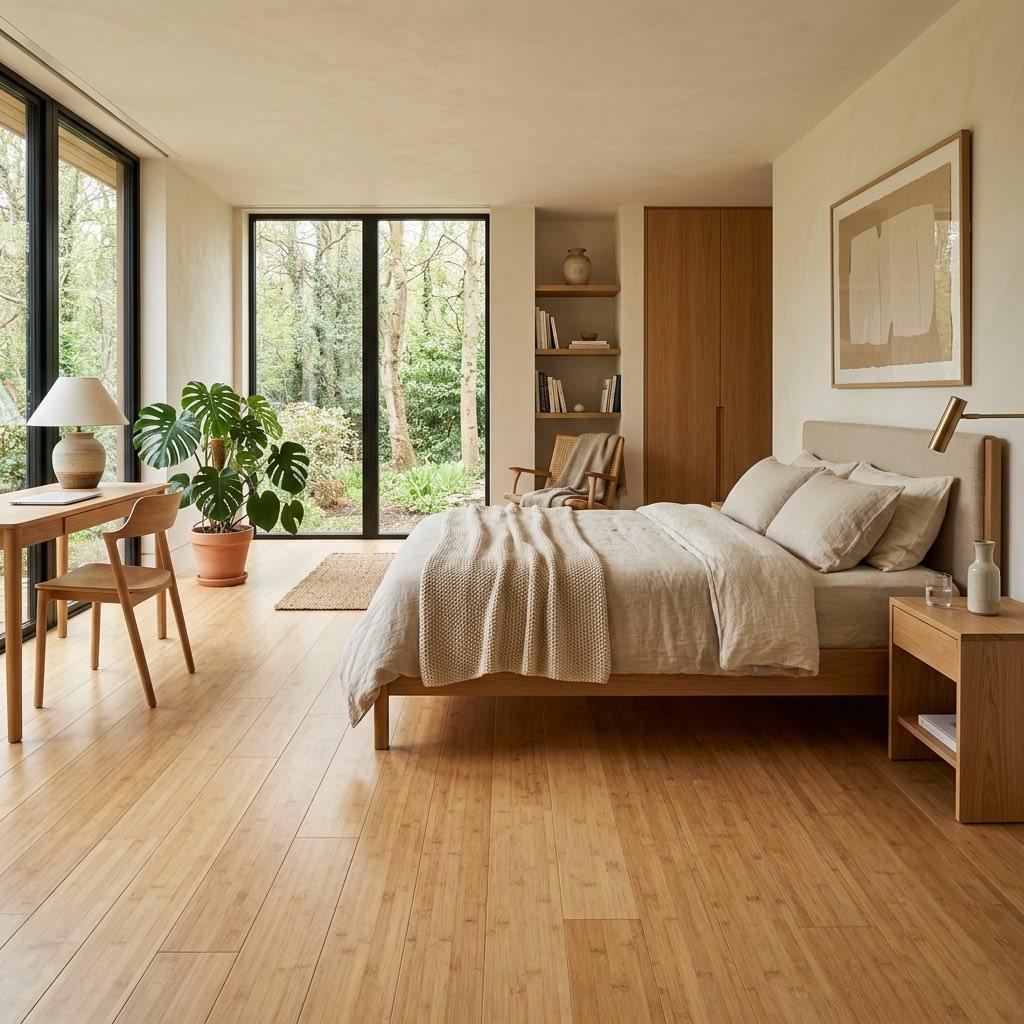
Renovating a home with sustainability in mind involves looking beyond energy-efficient light bulbs and energy-star appliances. The materials we choose to cover our floors have a massive impact on the environment, carbon footprint, and indoor air health of our homes. Standard flooring options like vinyl sheet, synthetic carpets, and laminate are often manufactured using toxic petrochemicals and heavy adhesives that release harmful gases over time. Choosing eco friendly flooring options is an excellent way to create a healthy, sustainable home environment without sacrificing visual beauty or durability. Modern green flooring alternatives utilize natural, renewable, or recycled fibers that look high-end and perform beautifully. In this comprehensive green building guide, we explore the best sustainable flooring options for your home.
The Environmental Impact of Conventional Flooring
To understand why transitioning to eco friendly flooring options is so important, we must look at the life cycle of conventional materials. Vinyl flooring (PVC), for example, releases toxic chemicals during production and cannot be recycled, meaning it will sit in a landfill for hundreds of years. Carpets made from synthetic nylon or polyester are also plastic-based and off-gas volatile organic compounds (VOCs) that pollute your indoor air. Sustainable flooring, on the other hand, utilizes fast-growing plants, repurposed industrial waste, or natural earth minerals that are biodegradable, carbon-neutral, and completely non-toxic to your family.
1. Cork Flooring: Highly Renewable and Soft
Cork is one of the most innovative and sustainable materials available for modern floors. It is harvested from the bark of cork oak trees, which grows back every nine years without harming the tree itself, making it highly renewable. Cork flooring consists of millions of tiny air pockets, providing excellent thermal insulation and a soft, springy feel underfoot that is comfortable to stand on for long periods. Besides, cork contains a natural substance called suberin, which makes it resistant to mold, mildew, and common household pests. Its natural sound-dampening properties make it a popular choice for bedrooms, nurseries, and home offices.
2. Bamboo Planks: Rapidly Growing Grass Alternatives
Bamboo is a fast-growing woody grass that can be harvested every three to five years, compared to twenty to fifty years for standard hardwoods. Because it regenerates quickly from its root system without needing to be replanted, bamboo has very low embodied energy. Standard strand-woven bamboo flooring is incredibly dense and hard, making it highly resistant to scratches and dents from pets and furniture. Choose bamboo planks that are certified by the Forest Stewardship Council (FSC) to ensure they are sourced from responsibly managed forests, and verify that the planks are manufactured using formaldehyde-free binders. Strand-woven bamboo is created by shredding the bamboo stalks and pressing them together with adhesives under extreme heat and pressure, yielding a material that is twice as hard as traditional oak. This makes it particularly suitable for high-traffic zones such as hallways and family rooms.
3. Reclaimed Hardwoods: Rich History and Low Carbon
If you love the classic look of real wood, choosing reclaimed timber is the most sustainable option. Reclaimed wood is salvaged from old barns, factories, and warehouses, giving old lumber a second life. By using reclaimed wood, you save trees from being cut down and reduce the carbon emissions associated with harvesting and transporting new lumber. When styling these eco friendly flooring options, the natural weathering, knots, and nail holes in reclaimed oak, maple, or pine add rich history and unique character to your home. Reclaimed planks can be sanded and refinished multiple times, ensuring they last for generations.
4. Natural Stone and Terrazzo: Durable Earth Minerals
For high-traffic areas like entryways, kitchens, and bathrooms, natural stone and terrazzo are excellent, highly durable options. Slate, limestone, granite, and marble are natural earth materials that require very little processing and contain no synthetic chemicals. Terrazzo is a composite material made from chips of waste marble, quartz, granite, or glass poured with a cement binder. Because it incorporates post-industrial recycled waste, terrazzo is highly eco-friendly. Stone and terrazzo floors are practically indestructible and have high thermal mass, making them ideal for homes designed with passive solar heating systems.
5. Linoleum and Bio-Resins: Plant-Based Sheet Flooring
While many people confuse linoleum with vinyl, true linoleum is a completely natural, biodegradable sheet flooring. It is made from natural ingredients: linseed oil, pine rosin, wood flour, cork dust, and limestone powder pressed onto a jute fabric backing. When installing these plant-based eco friendly flooring options, you get a highly durable, water-resistant floor that is naturally anti-bacterial and easy to clean. Linoleum is available in a wide variety of colors and patterns, making it popular for kitchens and utility rooms. Bio-resins are another modern plant-based option, offering a seamless, poured floor look using vegetable oils.
6. Sourcing Non-Toxic Adhesives and Sealants
Even the most sustainable flooring material can become unhealthy if installed using toxic glues and finishes. Standard flooring adhesives and varnishes can release harmful VOCs for months after installation, triggering asthma and allergies. To protect your family, always specify low-VOC or zero-VOC adhesives for installation. For sealing wood or cork floors, choose natural oil finishes, water-based polyurethanes, or natural beeswax coatings instead of harsh oil-based varnishes. These clean, green coatings protect the flooring from stains and wear without releasing toxic chemical gases into your indoor air. Look for industry-recognized certifications such as Greenguard Gold or FloorScore when purchasing adhesives and topcoats. These labels guarantee that the products have been strictly tested for chemical emissions, verifying they will keep your indoor air clean and healthy.
7. Maintenance and Cleaning for Longevity
The most sustainable floor is one that never needs to be replaced. To ensure the longevity of your eco friendly flooring options, practice proper maintenance and cleaning. Sweep or vacuum floors regularly to remove dirt and grit that can scratch the protective finish. Wipe up liquid spills immediately to prevent water damage, especially on wood, cork, or linoleum. Avoid using harsh chemical cleaners or steam mops, which can damage natural sealers. Instead, clean the floors using a damp mop and a gentle, pH-neutral soap or a simple mixture of warm water and a few drops of white vinegar.
8. Long-Term Value and Sustainability ROI
While some sustainable flooring options, like high-quality cork or reclaimed oak, have a higher initial cost than cheap vinyl, they offer a far better return on investment (ROI). Natural stone, reclaimed wood, and terrazzo can last for the entire lifetime of the building, meaning you will never have to pay for replacements. Also, installing healthy, non-toxic materials increases the resale value of your property and makes your home much more attractive to modern, eco-conscious buyers. Investing in green materials protects your family’s health, lowers waste in landfills, and supports a healthier planet.
In short, choosing to install eco friendly flooring options in your home is an outstanding way to design an energy-efficient, healthy, and visually stunning sanctuary. By choosing cork, bamboo, reclaimed hardwood, or natural linoleum, you can create a beautiful surface that stands the test of time. Prioritize low-VOC adhesives, seal the floors with water-based coatings, and practice gentle maintenance to protect your investment. Enjoy the underfoot comfort, visual character, and environmental peace of mind that comes from living on a floor designed in harmony with the natural world.
To learn more about optimizing your space, explore our guide on Sustainable Geothermal Heating and Cooling.
For additional tips on creating a beautiful home, read our article about Sustainable Solar Power Home Battery Storage.
If you are planning a renovation, you might also find our ideas on Rainwater Harvesting System for Home helpful.
To discover more sustainable choices, check out our tips on Upcycled Home Decor Ideas.
Enhance your living space further by exploring our recommendations for Best Eco Friendly Laundry Detergent Sheets.