Building or renovating a home sustainably involves looking beyond high-efficiency appliances and solar panels. A significant amount of energy waste in typical homes occurs through poor thermal boundaries in the walls, floor, and roof. Choosing eco friendly home insulation is the ultimate way to create a healthy, energy-efficient building envelope that regulates indoor temperature naturally. Unlike standard fiberglass or spray foam insulation, which contain synthetic chemicals and petrochemicals, sustainable insulation utilizes natural or recycled fibers. In this comprehensive green building guide, we explore the best sustainable insulation materials, compare their thermal performance, and detail key installation rules.
The Role of Sustainable Insulation
Insulation acts as a barrier to heat flow, keeping your home warm in the winter and cool in the summer. When researching eco friendly home insulation materials, you will find that they provide the same thermal protection as synthetic options but with a much lower carbon footprint. Standard fiberglass insulation is made from sand and recycled glass but requires high-heat manufacturing and can irritate the skin and lungs. Sustainable alternatives use raw agricultural fibers or post-consumer recycled waste, which are non-toxic, biodegradable, and safer to handle, supporting a healthy indoor environment and reducing carbon emissions during production.
1. Sourcing Natural Sheep’s Wool Batts
Sheep’s wool is one of the most effective and luxurious natural insulation materials available. Wool fibers have a natural crimp that traps millions of tiny air pockets, providing excellent thermal resistance. Also, sheep’s wool is highly breathable, absorbing and releasing moisture without losing its insulating properties. This moisture-regulating ability prevents condensation and mold growth inside wall cavities. Wool is also naturally flame-resistant, self-extinguishing when exposed to fire. Choosing sheep’s wool provides a highly durable, non-toxic barrier that keeps your home cozy and safe. Also, it acts as an outstanding natural sound barrier, dramatically dampening external noises and ensuring a quiet, peaceful indoor environment.
2. Cellulose Insulation: Recycled Paper Barriers
Cellulose is a widely used sustainable insulation made from about 85% recycled newspaper and cardboard. The paper is shredded into fine fibers and treated with non-toxic boric acid to provide fire resistance and deter insect pests. Cellulose can be blown into attics or dense-packed into wall cavities, filling small gaps and cracks around wiring and pipes to prevent air leaks. Because it uses post-consumer paper waste that would otherwise end up in landfills, cellulose has very low embodied energy, making it one of the most affordable and environmentally friendly options available.
3. Denim Insulation: Repurposed Cotton Fiber
Denim insulation is made from recycled cotton fibers, typically sourced from post-industrial denim scraps and old jeans. The cotton is processed into soft, thick batts that are easy to install between wall studs. Like cellulose, denim is treated with boric acid to ensure fire safety and pest resistance. Because it contains no fiberglass or synthetic chemicals, it is completely safe to touch and does not release irritating fibers into the air during installation. When installing this type of eco friendly home insulation, you do not even need protective gear like masks or gloves. Denim also provides excellent sound dampening, making it a popular choice for soundproofing bedrooms and home offices.
4. Hempcrete and Cork: Plant-Based Thermal Insulation
For sustainable custom builds, plant-based materials like hempcrete and expanded cork board are excellent choices. Hempcrete is a bio-composite material made from the woody inner core of the hemp plant mixed with a lime-based binder. It is cast into walls, providing thermal insulation, structural support, and high breathability. The installation process of hempcrete involves building a temporary framework and packing the mixture tightly into the cavity. Expanded cork board is made from the bark of cork oak trees, which is harvested responsibly without cutting down the tree. The bark is harvested once every nine years, allowing the tree to continue growing and absorbing carbon dioxide. Cork boards are highly durable, rot-resistant, and provide excellent acoustic and thermal barriers, making them ideal for floor underlayment and exterior wall insulation.
5. R-Value and Thermal Performance Comparisons
When selecting eco friendly home insulation, you must compare the R-value of each material, which measures its resistance to heat flow. Cellulose has an R-value of about 3.2 to 3.8 per inch of thickness, which is equal to or higher than standard fiberglass. Denim batts offer a similar performance, providing an R-value of 3.7 per inch. Sheep’s wool offers an R-value of 3.5 to 3.8 per inch, making it highly effective. Cork boards provide about 3.6 per inch, while hempcrete has a lower R-value of about 2.0 per inch but offers high thermal mass, which stores and releases heat slowly to regulate indoor temperature.
6. Health and Indoor Air Quality Benefits
Choosing natural insulation materials has a major positive impact on your family’s health and indoor air quality. Many standard synthetic insulation foams release volatile organic compounds (VOCs) and chemical gases over time, which can trigger asthma, throat irritation, and allergies. By contrast, natural materials like wool, denim, and cork are completely chemical-free and do not off-gas. In fact, sheep’s wool has been shown to absorb and neutralize harmful indoor air pollutants like formaldehyde, sulfur dioxide, and nitrogen dioxide. Installing clean, natural insulation creates a healthy indoor sanctuary where you and your children can breathe easily and live safely.
7. Installation Rules and Vapor Barrier Protection
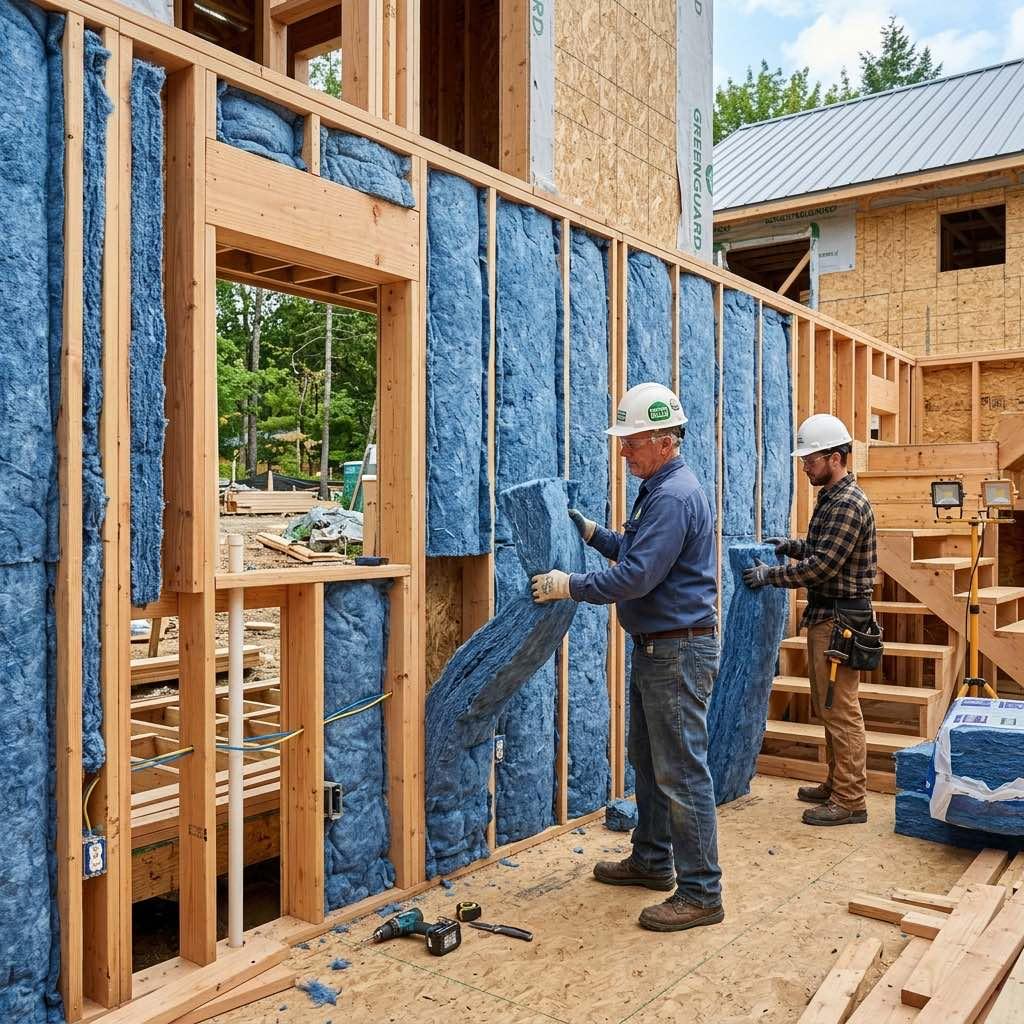
Proper installation is critical to ensure your sustainable insulation performs well and stays dry. When installing eco friendly home insulation, you must include a vapor barrier to protect the fibers from moisture damage. While materials like wool and denim can handle some moisture, constant exposure to water vapor can cause rot. Install a smart vapor retarder on the warm side of the wall studs, which prevents indoor humidity from entering the wall cavity while allowing trapped moisture to escape. Ensure the batts fit snugly between studs without being compressed, as compression reduces the insulating air pockets. Cut the batts slightly larger than the stud cavity to prevent gaps that could lead to air drafts.
8. Long-Term Financial and Energy Savings
Although some natural insulation materials, like wool and cork, have a higher initial cost than cheap fiberglass, the investment pays off over time. A well-insulated home requires less energy to heat and cool, lowering your utility bills by up to 15% or more year-round. Because these systems are made from durable, natural fibers that do not sag, settle, or break down over time, they maintain their insulating performance for the lifetime of the building without needing replacement. Investing in high-quality insulation protects your family from rising energy costs, reduces the carbon footprint of your daily life, and increases the resale value of your sustainable property, making it a wise investment for future generations.
To summarize, choosing to install eco friendly home insulation is an outstanding way to design an energy-efficient, healthy home that stands the test of time. By orienting your selection toward sheep’s wool, cellulose, denim, or cork, you can create a beautiful thermal barrier that protects your family. Compare R-values carefully, prioritize indoor air quality, install proper vapor barriers to protect your investment, and work with professional installers to ensure a tight seal. Enjoy the financial savings, indoor comfort, and environmental peace of mind that comes from living in a sustainable, natural sanctuary for many years to come and enjoy green living.
To learn more about optimizing your space, explore our guide on Sustainable Geothermal Heating and Cooling.
For additional tips on creating a beautiful home, read our article about Sustainable Solar Power Home Battery Storage.
If you are planning a renovation, you might also find our ideas on Rainwater Harvesting System for Home helpful.
To discover more sustainable choices, check out our tips on Upcycled Home Decor Ideas.