
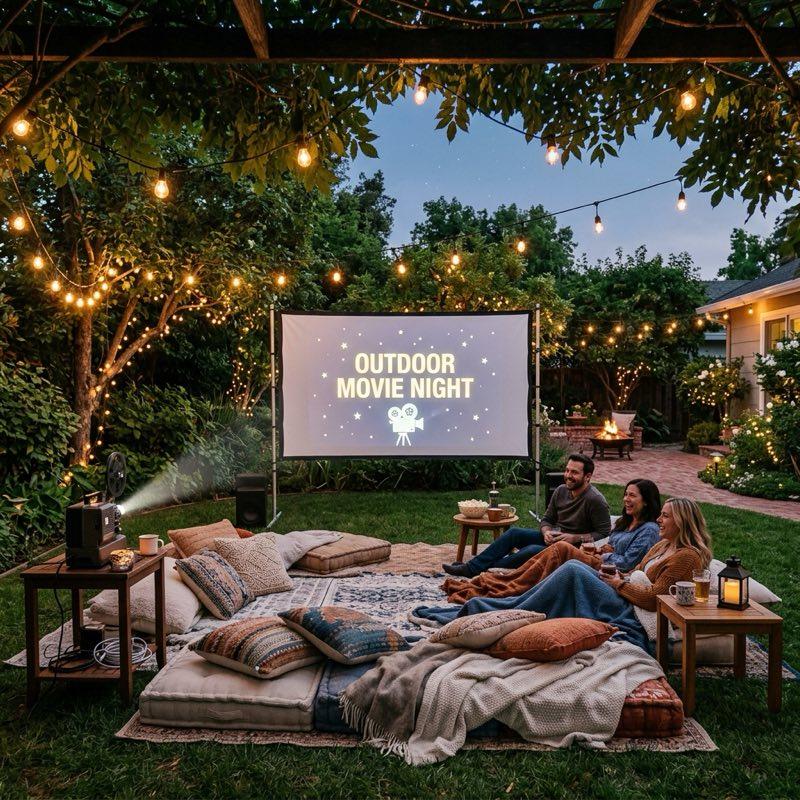
With the arrival of warm summer nights, homeowners are looking for creative ways to utilize their backyards for entertainment and relaxation. One of the most magical trends in home design is the creation of an open-air cinema, which relies on thoughtful outdoor movie theater staging to deliver a true cinematic experience under the stars. Staging a theater in your yard involves more than just placing a projector on a table; it requires careful consideration of sightlines, audio quality, lighting, and comfortable seating. By planning your layout and selecting the right equipment, you can create a versatile entertainment zone that brings family and friends together. In this guide, we explore the essential elements of outdoor movie theater staging to help you design the ultimate backyard cinema.
Choosing the Right Location and Layout
The first step in successful outdoor movie theater staging is selecting the ideal location and layout for your cinema setup. You need a flat, open area of lawn or patio that is protected from strong winds and shielded from ambient light sources, such as streetlights or neighbors’ floodlights. Position the screen against a solid wall, fence, or dense hedge to block background distractions and provide stability. Ensure there is a clear pathway for guests to move around safely in the dark without crossing the projector’s beam. By orienting your screen and seating away from major light sources, you will achieve a much clearer, higher-contrast picture, which is essential for a high-quality viewing experience. This careful positioning makes the entire screening run smoothly.
Projector and Screen Selection
Choosing the right projector and screen is the foundation of your backyard theater. For outdoor use, you need a projector with high brightness, measured in lumens, to combat ambient twilight. Look for a model with at least two thousand to three thousand ANSI lumens and a native resolution of 1080p or 4K. For the screen, you can choose between a folding frame screen, which offers a perfectly flat surface, or an inflatable screen, which is easy to set up and stores compactly. Inflatable screens are excellent for larger yards but require a continuous blower that can create background noise, whereas folding screens are quiet and stable, making them a preferred choice for intimate staging layouts. High contrast ratios are also helpful for twilight viewings.
Audio Systems for Clear Outdoor Sound
Audio quality is just as important as video quality when staging an outdoor cinema, as open air does not reflect sound the way indoor walls do. Standard projector speakers are typically weak and tinny, so you will need external audio. A pair of high-quality Bluetooth speakers, a portable soundbar, or a multi-speaker PA system can provide clear, immersive sound. Position the speakers on stands on either side of the screen at ear level to direct the sound toward the audience. If you have neighbors close by, consider setting up a wireless headphone system, which allows guests to enjoy full surround sound without creating noise disturbances in the neighborhood. This approach provides a deeply personal and immersive experience for all viewers.
Cozy Seating and Furniture Layouts
Creating a cozy and functional seating arrangement is where your outdoor movie theater staging really comes to life. Instead of standard patio chairs, mix and match different seating options to create a relaxed, tiered viewing area. Place large waterproof blankets and plush floor cushions in the front row for kids, low-profile beach chairs in the middle, and standard height chairs or sectionals in the back. This ensures that everyone has an unobstructed view of the screen. Add small side tables or crates next to the seating areas to hold drinks and popcorn bowls. Providing cozy throw blankets and insect repellent will keep your guests comfortable throughout the entire film. This thoughtful configuration turns a basic yard into a premium amphitheater.
Lighting and Ambience for Film Nights
Ambient lighting plays a crucial role in safety and atmosphere, but it must be managed carefully to avoid washing out the screen. Use low-voltage LED string lights, solar-powered path lights, or paper lanterns to illuminate walkways and seating boundaries. Keep these lights dim and place them low to the ground so they do not cast glare onto the screen. You can also use smart lighting systems that can be dimmed or turned off completely using a smartphone app when the movie starts. Avoid using open flames like tiki torches near the screen or seating, as they can create safety hazards and distracting flickering shadows. Subdued lighting enhances the magic and safety of the backyard setting.
Comparing Outdoor Movie Equipment
| Equipment | Key Features | Setup Time | Best For | Portability |
|---|---|---|---|---|
| Folding Screen | Wrinkle-free, sturdy metal frame | 15 minutes | High-wind areas, quiet spaces | Medium (carrying bag) |
| Inflatable Screen | Self-inflating, large surface area | 5 minutes | Large crowds, quick setup | High (compact storage) |
| Short-Throw Projector | Large image from short distance | 10 minutes | Small yards, patio setups | High (lightweight) |
| Bluetooth Soundbar | Wireless connection, clear dialogue | 5 minutes | Simple setups, crisp audio | High (rechargeable) |
| Wireless Headphones | Individual volume control, silent | 10 minutes | Late night shows, close neighbors | High (multi-charger dock) |
Weatherproofing and Safety Considerations
When considering outdoor movie theater staging, weatherproofing and safety are critical considerations when setting up electrical equipment outdoors. Always use heavy-duty, outdoor-rated extension cords and plug them into a Ground Fault Circuit Interrupter (GFCI) outlet to protect against electrical shock. Secure cords to the ground using gaffer tape or cord covers to prevent tripping hazards in the dark. Keep a close eye on the weather forecast; even a light breeze can turn a large projector screen into a sail, and sudden moisture can ruin sensitive electronic components. Have a backup plan to quickly dismantle the equipment or move the party indoors or under a covered patio if rain begins. Protecting your electronic gear ensures many successful movie nights to come.
Creative Themes and Concession Stands
To elevate your movie night, consider introducing a creative theme and a dedicated concession stand. A rustic popcorn cart, a self-serve candy bar, and a cooler filled with vintage sodas and local craft beers will make the evening feel like a special event. You can also coordinate the snacks and decorations with the theme of the movie, such as serving tropical drinks for an adventure film or pizza for a classic family comedy. Setting up a decorated photo booth area with themed props gives guests a fun way to document the night, making your backyard cinema the talk of the neighborhood. This extra level of detail turns a simple evening into a memorable social gathering. By planning these fun details, you can host a memorable evening that your friends and neighbors will talk about for weeks afterward. It is fun.
Wrapping up, successful outdoor movie theater staging is all about balancing technical performance with guest comfort to create an unforgettable backyard experience. By selecting a dark, sheltered location, investing in a bright projector and clear audio, and arranging cozy, tiered seating, you can deliver a premium cinema experience. Remember to prioritize safety with GFCI outlets and secure cabling, manage ambient lighting carefully, and add personal touches like themed snacks and blankets. With the right planning and staging techniques, you can transform your backyard into a magical open-air theater that provides joy, laughter, and entertainment for family and friends all season long. This setup is sure to become a beloved summer tradition.
To learn more about optimizing your space, explore our guide on Modern Backyard Office Pod Layouts.
For additional tips on creating a beautiful home, read our article about Modern Backyard Inground Trampoline Setups.
If you are planning a renovation, you might also find our ideas on Raised Bed Gardening Guide helpful.
To discover more sustainable choices, check out our tips on Garden Soil Preparation.