
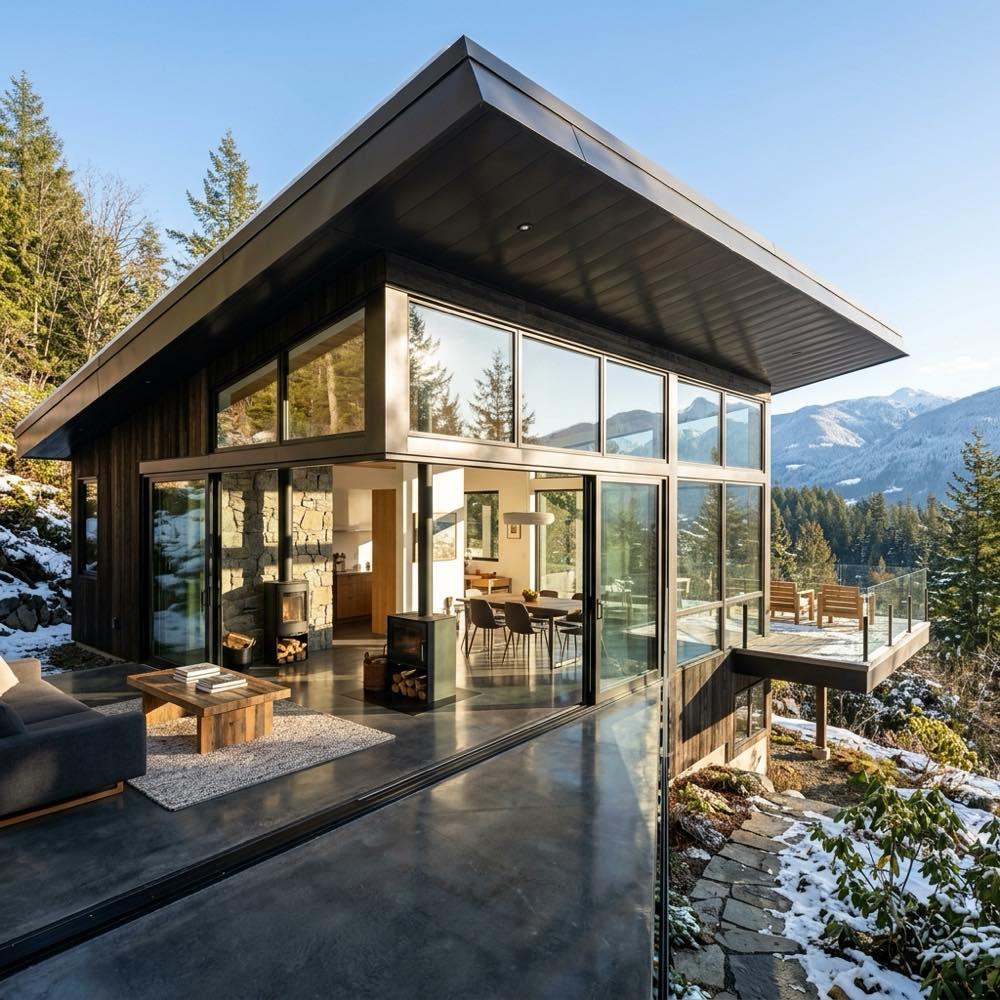
Designing a sustainable home involves more than just adding solar panels to the roof or buying energy-efficient appliances. The most effective way to lower energy use is to design the home to work in harmony with the sun. Mastering the principles of passive solar home design is the most effective way to heat and cool your living spaces naturally, reducing your reliance on mechanical systems. This architectural approach utilizes the building’s windows, walls, and floors to collect, store, and distribute solar energy in the winter, while blocking heat in the summer. In this comprehensive sustainability guide, we explore orientation rules, thermal mass materials, overhang sizing, and how to style a passive solar interior.
What is Passive Solar Design?
Passive solar design is a clean energy building strategy that uses the sun’s natural energy to regulate indoor temperature. When researching the basics of passive solar home design, you will find that it does not rely on complex mechanical pumps, fans, or electrical systems. Instead, it relies on the natural flow of heat through radiation, conduction, and convection. The home acts as a giant solar collector, absorbing warmth during the day and releasing it slowly during the cold evening. This clean, natural heating process keeps the home comfortable, dramatically lowers utility bills, and reduces the building’s carbon footprint, making it a cornerstone of modern green building practices.
1. Orientation and Window Placement Rules
The first rule of passive design is proper site orientation. To capture the maximum amount of winter sun, the long axis of the home should run from east to west. This orientation allows the main living spaces to have large, unobstructed windows facing south (or north if you are in the Southern Hemisphere). In the Northern Hemisphere, south-facing windows should receive direct sunlight between 9:00 AM and 3:00 PM during the winter heating season. East-facing windows should be kept small to prevent overheating in the morning, while west-facing windows should be minimized to avoid intense afternoon heat in the summer.
2. Sizing South-Facing Overhangs and Eaves
While capturing winter sun is important, preventing summer overheating is equally critical. To achieve this, design deep roof overhangs or eaves above the south-facing windows. This is a critical rule of passive solar home design to prevent the hot summer sun from shining directly into the home. Because the sun sits much higher in the sky during summer, a properly sized overhang casts a shadow over the windows, keeping the interior cool. In the winter, when the sun sits lower on the horizon, the sunlight passes underneath the overhang, shining deep into the home to heat the living spaces naturally.
3. Thermal Mass Selection: Concrete, Tile, and Stone
To store the solar heat captured through your windows, you must incorporate materials with high thermal mass. An integral part of a successful passive solar home design is incorporating dense materials like concrete, brick, stone, or ceramic tile inside the home. These materials act as thermal batteries, absorbing heat when the room is warm and releasing it back into the air as the temperature drops at night. A polished concrete floor or a brick accent wall positioned directly in the path of winter sunlight is the perfect way to utilize thermal mass, preventing rapid temperature swings and keeping the home warm and cozy.
4. Insulation and Air Sealing Standards
To keep the natural heat inside your home, a highly insulated and airtight envelope is essential. Even the best passive solar setup will fail if warm air leaks out through drafty walls and windows. Consider using advanced building systems like structural insulated panels (SIPs) or insulating concrete forms (ICFs) to achieve high R-values and minimize thermal bridging. Install high-performance double or triple-glazed windows with low-emissivity (Low-E) coatings to minimize heat loss. Using advanced air-sealing techniques, like caulking joints and installing weatherstripping, prevents cold drafts from entering, ensuring that the natural solar heat stays inside your living space.
5. Natural Ventilation and Cooling Principles
Passive design is not just about heating; it also includes natural cooling strategies for the summer months. Install operable windows on opposite sides of the home to allow cool breezes to cross-ventilate the spaces. Place windows near the floor and ceiling to utilize the stack effect, where warm air rises and escapes through high windows, drawing cool air in through lower openings. You can also incorporate a solar chimney to pull warm air out of the building. Utilizing a “night-flush” cooling technique, where windows are opened at night to flush out hot air and cool down the thermal mass floors, prepares the house for the next hot day. Ceiling fans can also be used to circulate air, creating a comfortable indoor breeze without the high energy costs of running air conditioning units all day.
6. Styling a Passive Solar Interior Space
When designing custom layouts, combining passive solar home design with smart interior styling ensures your space looks beautiful and performs well. Keep thermal mass floors, like polished concrete or dark slate, uncovered by avoiding thick carpets or large area rugs that insulate the floor and prevent it from absorbing heat. Choose furniture with clean, modern profiles that do not block the path of sunlight from windows to thermal walls. Style the room with light-colored furniture and walls to help bounce daylight deep into the interior, making the living space feel bright, open, and airy.
7. Landscaping and Tree Placement for Seasonal Shade
Your outdoor landscaping can play an active role in regulating your home’s temperature. Plant deciduous trees, like oak or maple, on the south side of your home. During the summer, these trees produce dense leaves that block the sun, shading your windows and keeping the house cool. In the autumn, the trees shed their leaves, allowing the winter sun to pass through the bare branches and shine into your windows to heat the home. Avoid planting large evergreen trees on the south side, as they will block the winter sun year-round.
8. The Financial and Environmental Payoffs
While building a passive solar home may require careful planning and a higher initial investment in high-performance windows, the long-term benefits are substantial. Homeowners can save up to 50% or more on their heating and cooling bills compared to conventional homes. Plus, because the system relies on natural energy rather than mechanical equipment, there are fewer moving parts to break down or maintain. These natural eco-friendly properties also increase the resale value of the property, as modern home buyers are increasingly searching for energy independence and sustainable living features. The result is a quiet, comfortable home that requires less maintenance and protects you from rising utility costs while supporting a sustainable lifestyle.
To summarize, investing in a thoughtful passive solar home design layout is an outstanding way to create a modern, energy-efficient sanctuary. By orienting your home correctly, sizing roof overhangs, using high-density thermal mass floors, and installing premium insulation, you can heat and cool your home naturally. Coordinate your landscaping with deciduous trees, keep your thermal floors clear of rugs, and use natural ventilation to stay cool in the summer. Enjoy the financial savings, comfort, and peace of mind that comes from living in a sustainable, sun-powered home for years to come.
To learn more about optimizing your space, explore our guide on Sustainable Geothermal Heating and Cooling.
For additional tips on creating a beautiful home, read our article about Sustainable Solar Power Home Battery Storage.
If you are planning a renovation, you might also find our ideas on Rainwater Harvesting System for Home helpful.
To discover more sustainable choices, check out our tips on Upcycled Home Decor Ideas.
Enhance your living space further by exploring our recommendations for Best Eco Friendly Laundry Detergent Sheets.