
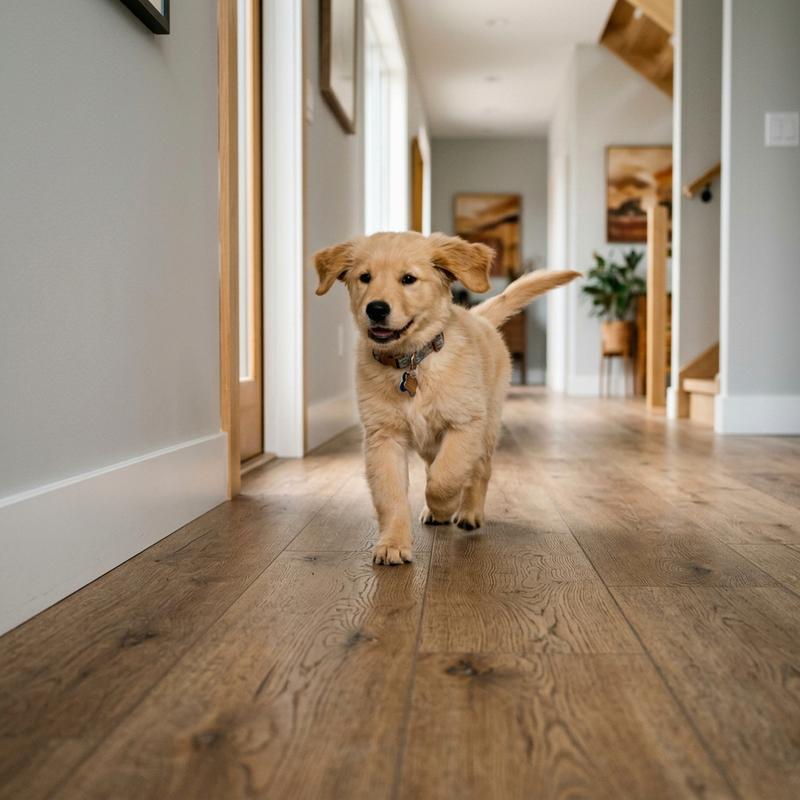
Our team at HomeTunez understands that a home should be a sanctuary for both human residents and their beloved four-legged companions. Finding the perfect balance between beautiful interior design and long-term durability is one of the most common challenges homeowners face. In my interior architecture practice, I have guided hundreds of families through the complex process of selecting finish materials that can withstand daily pet life. From the heavy impact of a running golden retriever to the sharp claws of an active house cat, floors bear the brunt of animal activity. Selecting the wrong flooring material can lead to costly repairs, unsightly scratches, and permanent odor absorption.
Traditional solid hardwood floors are often the first casualty in a pet-friendly household. While they offer undeniable warmth and classic aesthetic appeal, soft woods scratch easily and absorb moisture from accidental spills or pet waste. This has led many design-conscious homeowners to search for high-performance alternatives that do not sacrifice style. Modern material science has advanced significantly, offering pet owners a wide range of beautiful, scratch-resistant, and completely waterproof options. These new materials allow you to enjoy the look of natural wood or stone while maintaining peace of mind.
Selecting the ideal pet-proof flooring requires balancing several critical factors. Scratch resistance is essential for protecting the surface from running claws, while moisture resistance prevents stains and warping from accidents. Comfort and traction are equally important, as slick floors can cause joint stress and slips in older dogs. Sound absorption is another key detail, especially in multi-level homes where the sound of clicking nails can become highly disruptive. By evaluating these aspects, you can choose a flooring system that meets your aesthetic goals and matches your pet’s needs.
We will explore the primary pet-friendly flooring categories, including luxury vinyl plank, engineered hardwood, porcelain tile, and polished concrete. Each option presents unique advantages and challenges depending on your budget and design style. Understanding the underlying science of these materials helps you make an informed decision that adds value to your property. By pairing the right flooring with smart home technology and proper maintenance, you can create a beautiful space. Let us begin by analyzing the material science and durability factors that make these solutions successful.
Ultimately, a successful floor installation relies on treating the surface as a high-performance foundation. When you select materials engineered for durability, you reduce maintenance time and extend the life of your interiors. Felines and dogs thrive when they have secure traction, and you will enjoy a cleaner, more hygienic home environment. This design approach respects your love for your pets while preserving the premium aesthetic of your living space. We will examine how different finishes and coatings protect your investment from daily wear.
Material Science and Durability
Evaluating pet-proof flooring options requires understanding the science of surface wear. Luxury vinyl plank (LVP) owes its durability to a multi-layered construction, featuring a rigid core, a high-definition print layer, and a clear protective wear layer. This wear layer is measured in mils, with twenty mils or higher representing the standard for residential pet homes. The top coat is often infused with ceramic beads or aluminum oxide to create an scratch-resistant barrier. This hard outer layer prevents claws from penetrating the vinyl, keeping the floor looking brand new.
For homeowners who insist on real wood, engineered hardwood offers a more stable alternative to solid wood. Engineered flooring features a thin veneer of natural wood bonded to a cross-ply backing of plywood. This construction resists expanding and contracting when exposed to humidity or liquid spills. To protect these wood surfaces, applying a professional-grade sealer is essential. I recommend utilizing commercial-grade water-based finishes from Bona. Their protective coatings shield the timber from claw scratches and urine penetration, while their specialized cleaners keep the surface spotless.
For the ultimate in durability, porcelain and ceramic tiles are virtually impervious to scratches, stains, and moisture. Porcelain tile is fired at extremely high temperatures, making it denser and less porous than ceramic alternatives. This dense structure prevents liquids from soaking into the floor, making cleanup simple. However, tile grout lines can absorb odors and liquids if left unsealed. Regular cleaning with mild, plant-based products from Method keeps the tiles and grout lines clean without degrading the surface sealer or exposing pets to toxic residues.
In high-traffic zones or entryways, combining hard floors with protective textile coverings is a smart design strategy. Placing durable rugs and runners made from Sunbrella fabrics over your new floors protects them from heavy dirt and moisture. Sunbrella textiles are highly resistant to staining and fading, making them perfect for busy pet pathways. Additionally, positioning pet beds wrapped in Crypton fabrics on the floor provides a moisture-proof resting spot. Crypton performance fabrics feature a permanent integrated barrier that prevents liquids, odors, and bacteria from reaching the inner cushions.
Finally, polished concrete represents a highly durable and modern option for industrial-style homes. Concrete is ground down and treated with chemical densifiers, then sealed with a stain-resistant top coat. This creates a seamless, non-porous floor that is completely scratch-proof and waterproof. To complete the look, paint the baseboards using low-VOC coatings from Farrow & Ball. This ensures that your wall trims match the modern aesthetic of your concrete floors while remaining safe from scratching pets. Combining these materials results in a beautiful, low-maintenance home.
Choosing the right combination of materials ensures your home remains resilient and hygienic. The interaction between rigid floorboards, non-toxic finishes, and performance textiles creates a complete pet-proof barrier. Your floors will resist daily wear, withstand accidents, and clean up easily. By focusing on material science, you avoid the frustration of premature floor failure. Next, we will discuss how to integrate these options into your room layout and style them effectively.
Built-In Integrations and Styling
Styling pet-proof floors involves matching functional durability with the existing architectural flow of your home. To achieve a seamless look, select flooring that runs continuously through open-concept areas. Running planks parallel to the longest wall elongates the room, making small spaces feel larger. When transitioning between different flooring materials, use flush wood or metal transition strips instead of bulky T-moldings. This prevents tripping hazards and creates clean, architectural thresholds that elevate the overall design of your space.
If you are updating your sleeping quarters with new flooring, prioritize materials that promote health and comfort. Combining sustainable cork or bamboo flooring with organic sustainable bedroom design ideas helps create a healthy, toxin-free environment. Natural flooring options provide warmth underfoot and resist dander accumulation, making them ideal for allergy sufferers. By matching your floors with organic bedding and natural textures, you maintain a cohesive, peaceful atmosphere that benefits both you and your sleeping pet.
In the main living areas, you can pair your new, durable floors with budget-friendly modern living room decor ideas to complete your space. For example, selecting a textured luxury vinyl floor that mimics wire-brushed oak provides excellent traction for pets while looking highly luxurious. Layering washable area rugs in seating zones protects the floor and adds visual interest. This styling method ensures that your living room remains cozy and elegant, while easily handling the active play of your pets.
Monitoring your pet’s behavior on new floors is made simple with modern smart home devices. Placing one of the best smart indoor security cameras for home in main pathways allows you to detect accidents in real time. These cameras help you identify which areas require quick cleanups to prevent floor staining. To automate your cleaning schedules, choosing the right smart home protocols (Zigbee, Z-Wave, Wi-Fi) ensures that your robot mop and vacuum communicate reliably across your home network.
Keeping your floor coverings clean is another critical aspect of maintaining a fresh, healthy home environment. When washing your pet beds, throw rugs, or fabric mat covers that rest on the floor, using the best eco-friendly laundry detergent sheets is an excellent choice. These sheets eliminate dirt and pet odors without leaving harsh chemical residues that could irritate your pet’s paws. Regular cleaning prevents bacteria buildup, protecting both your family and your durable flooring investment.
Integrating style with smart home technology creates a beautiful floor system that stands up to daily wear. By selecting coordinating colors, laying planks strategically, and scheduling automated cleanups, you protect your home’s aesthetic appeal. Your pets enjoy a comfortable surface, and you gain a low-maintenance home. Planning these styling and technology details early ensures a successful floor remodel. Let us look at a detailed comparison of the top pet-proof flooring options to help you choose the best fit.
Pet-Proof Flooring Options Comparison
To help you choose the perfect flooring for your home, we have compiled a detailed comparison of the most popular pet-friendly materials. This table analyzes scratch resistance, moisture resistance, underfoot comfort, noise reduction, and average installation costs. Evaluating these key metrics ensures that you select a material that fits your budget and meets your pet’s needs.
| Flooring Material | Scratch Resistance | Moisture Resistance | Comfort and Traction | Average Cost |
|---|---|---|---|---|
| Luxury Vinyl Plank (LVP) | Outstanding (Rigid wear layer) | 100% Waterproof | Medium / Good traction | $4 – $10 per sq ft |
| Porcelain Tile | Impervious to claws | Impervious (Requires grout seal) | Low / Can be cold and slick | $8 – $20 per sq ft |
| Engineered Hardwood | Medium (Depends on finish) | Moderate (Spills must be cleaned) | High / Warm and solid | $8 – $16 per sq ft |
| Polished Concrete | Exceptional (Scratch-proof) | 100% Waterproof (Sealed) | Low / Cold, needs slip-coat | $6 – $15 per sq ft |
| Cork Flooring | Medium (Resilient bounce) | Moderate (Requires top sealer) | Excellent / Warm, soft, high grip | $5 – $12 per sq ft |
Analyzing this comparison reveals that each material involves distinct tradeoffs. Luxury vinyl plank offers the best balance of waterproofing, scratch resistance, and affordability, while porcelain tile offers unmatched longevity at a higher price point. Cork flooring is an excellent alternative for owners seeking a quiet, comfortable surface for senior pets. Understanding these factors allows you to select the best option for your household. Continue reading for a step-by-step guide on how to install and maintain these flooring systems successfully.
DIY Implementation Guide: Installing Pet-Proof Floating Floors
Installing a luxury vinyl plank or laminate floating floor is an achievable DIY project that can transform your pet-friendly home. Before beginning the installation, gather your tools: a utility knife, a tapping block, a rubber mallet, spacers, a digital level, and a premium underlayment. Subfloor preparation is the most critical stage of the project, as any unevenness will transfer to your finished floor. Taking time to prep your subfloor ensures a flat, quiet, and long-lasting surface.
The first step is acclimating the flooring planks to your home’s temperature and humidity levels. Store the unopened boxes flat in the installation room for at least forty-eight hours before starting. This prevents the planks from expanding or contracting excessively after installation, reducing the risk of buckling or gap formation. During this acclimation period, keep your home’s heating and cooling systems set to normal operating temperatures.
Next, prepare the subfloor by removing all existing carpet, tacks, and adhesive residues. Use a level to inspect the subfloor, checking for high spots or depressions that exceed three-sixteenths of an inch. Sand down any high spots on wood subfloors, and fill low spots on concrete subfloors with a self-leveling compound. Thoroughly vacuum the entire subfloor to remove dust and debris, ensuring a clean foundation for your new underlayment.
Once the subfloor is clean and level, roll out your premium acoustic underlayment. Choose an underlayment with a high Sound Transmission Class (STC) rating to muffle the sound of clicking dog claws. Tape the seams of the underlayment together using vapor barrier tape to prevent moisture from rising through the floor. This step is especially important when installing over concrete slabs, which naturally release moisture over time.
Now, begin laying the first row of planks, starting in a corner and working left to right. Place expansion spacers against the walls to maintain a quarter-inch gap around the room’s perimeter. This gap allows the floating floor to expand and contract naturally during seasonal weather changes. Align the tongue and groove edges of the planks, inserting the tongue at a forty-five-degree angle and clicking the plank down into place.
As you install subsequent rows, stagger the end seams of the planks by at least eight inches to ensure structural stability and a natural appearance. Use a tapping block and a rubber mallet to join the planks together tightly, ensuring there are no visible gaps. Cutting planks at the end of a row is simple: score the surface with a sharp utility knife and snap the plank along the scored line.
After completing the installation, remove the expansion spacers and install your baseboards and shoe moldings. Secure the moldings to the wall, not to the floor planks, to allow the floating floor to move freely. Apply a high-quality silicone caulk around moisture-prone areas like doorways and water bowl stations. This creates a waterproof seal that prevents water from seeping under the floorboards, keeping your installation protected from pet spills.
The final step is verifying the stability and cleanliness of your new flooring. Walk across the entire floor to check for any squeaks, hollow spots, or loose planks that need resetting. Once verified, wipe down the floorboards with a damp microfiber mop and a plant-based cleaner to remove installation dust. Allow the floor to settle for twenty-four hours before moving heavy furniture back into the room. Introduce your pets to the new surface gradually, placing familiar rugs down to help them gain confidence on the new texture.
Pet-Proof Flooring Options FAQ
Is luxury vinyl plank flooring truly waterproof?
Yes, luxury vinyl plank is one of the most moisture-resistant flooring options on the market. The synthetic PVC materials used in LVP do not absorb water, preventing planks from swelling or warping when exposed to spills or pet accidents. However, standing water can seep through seams to the subfloor if left too long, so cleaning spills within a few hours remains important.
How do I stop my dog’s nails from clicking on the floor?
The best way to minimize clicking noises is installing a premium acoustic underlayment beneath your floating floor. Materials like cork or high-density foam absorb impact sounds and reduce hollow vibrations. Keeping your dog’s nails trimmed regularly also helps. If the noise persists, layering thick wool area rugs in high-traffic hallways can help dampen sound transmission significantly.
Can I install engineered hardwood in a home with large dogs?
You can, but you must select a hard wood species like hickory, white oak, or maple and apply a durable finish. Protect the surface with a commercial-grade water-based sealer from Bona to prevent scratching. Additionally, choose textured or wire-brushed wood finishes, which help hide minor claw marks and provide better traction for large dogs than smooth, high-gloss options.
How often should I seal tile grout in a pet home?
I recommend sealing tile grout lines at least once a year in homes with pets. Grout is highly porous and absorbs urine, muddy water, and bacteria, leading to permanent stains and unpleasant odors. Applying a high-quality penetrating sealer creates an invisible barrier that prevents liquids from soaking into the grout, making regular cleaning much easier.
Is laminate flooring a good option for cats and dogs?
Modern high-pressure laminate is highly scratch-resistant and budget-friendly, making it a viable option for pets. However, standard laminate is susceptible to water damage if liquids seep into the joints. If you choose laminate, search for boards labeled water-resistant and seal the perimeter seams with silicone caulk during installation to protect the subfloor from accidents.
What flooring is best for senior pets with joint issues?
Cork flooring is the premier choice for senior pets due to its natural bounce and slip-resistant texture. The resilient cell structure of cork acts as a cushion, reducing joint impact and providing excellent traction. If you install harder floors like tile or concrete, placing thick runners or rugs in main walkways is essential to prevent joint strain.
How do I remove pet urine odors from subfloors?
If urine penetrates your flooring to the subfloor, you must treat it before laying new boards. Clean the area thoroughly with an enzymatic cleaner to break down the uric acid crystals. Once the subfloor is dry, apply a stain-blocking, odor-sealing primer over the affected wood or concrete. This seals the odor permanently, preventing smells from rising through your new floors.
Can polished concrete floors be too cold for pets?
Polished concrete can feel cold during winter, especially in homes without radiant underfloor heating. To keep your pets comfortable, place thick beds wrapped in Crypton fabric on the concrete surface. You can also layer insulated rugs in their favorite sleeping spots. During summer, however, concrete provides a cool, comfortable surface where pets love to lie down.
How do I clean pet dander off my floors?
Vacuum your floors twice a week using a vacuum equipped with a HEPA filter to capture fine dander and hair. For vinyl, tile, or concrete, follow vacuuming with a damp mop and a plant-based cleaner from Method. Avoid using steam mops on vinyl or wood floors, as intense heat and moisture can damage the adhesives and warp planks.
Does pet-proof flooring increase a home’s resale value?
Yes, installing durable, low-maintenance flooring like luxury vinyl plank or porcelain tile increases home appeal to prospective buyers. Many buyers search for move-in ready homes that do not require immediate floor replacement due to wear. Showcasing scratch-resistant, waterproof materials that handle pets makes your property highly attractive in today’s active real estate market.
Pet-Proof Flooring Design Summary
Selecting the right flooring is one of the most critical decisions you will make for your pet-friendly home. By choosing high-performance materials, you prevent premature wear and create a clean, healthy space. You do not have to sacrifice design beauty for utility, as modern materials mimic wood and stone perfectly. The key is analyzing scratch resistance, moisture barriers, and underfoot traction before starting your installation project.
To achieve a high-end look, prioritize continuous layouts, low-profile thresholds, and matching baseboard paint from Farrow & Ball. Protect your wood surfaces with professional Bona sealers, and use plant-based Method cleaners to maintain a clean environment. Additionally, layer durable Sunbrella rugs and Crypton pet beds to add texture, comfort, and protection to your living space. These details elevate your home design, making it a beautiful and resilient place for your family.
Ultimately, a successful pet-proof floor balances your pet’s comfort with your personal design standards. By selecting materials engineered for durability, you construct a home foundation that handles daily play with ease. The result is a harmonious environment where your family and pets thrive. Take time to evaluate your options, prepare your subfloor carefully, and install a beautiful floor that will last for years to come.
To learn more about optimizing your space, explore our guide on Smart Home Tech for Seniors.
For additional tips on creating a beautiful home, read our article about Non-Slip Flooring Solutions.