
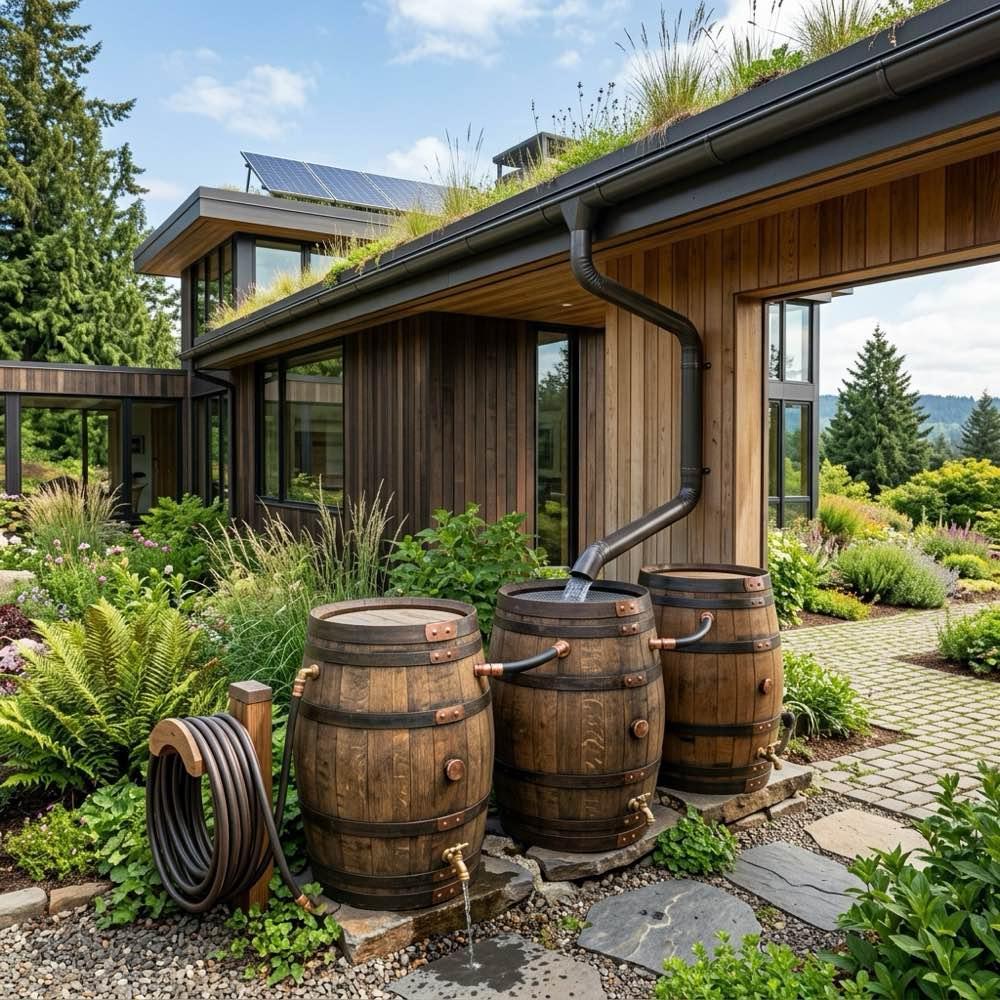
Introduction to Sustainable Water Collection
As water scarcity increases and utility costs continue to rise, homeowners are looking for ways to make their properties more self-sufficient and environmentally friendly. In sustainable landscape architecture and green home building, capturing and utilizing natural precipitation is a highly effective strategy. To achieve a highly reliable, low-cost source of natural irrigation water for your flowerbeds and kitchen garden, investing in a professional rainwater harvesting system design is one of the smartest long-term upgrades you can make. By capturing the water that falls directly onto your roof, you reduce your reliance on municipal water systems, protect local waterways from storm runoff, and ensure your landscaping remains green and healthy even during dry summer months.
The beauty of this ecological upgrade lies in its simplicity and scalability. A successful rainwater harvesting system design can range from a simple gravity-fed rain barrel installed under a gutter downspout to an advanced, multi-tank underground system integrated with filtration pumps and smart irrigation controllers. By customizing the layout to match your local regional rainfall patterns and your household’s daily outdoor watering demands, you create a highly efficient conservation system that fully pays for itself over time through lower monthly utility bills. In this comprehensive guide, we will explore the core components, sizing calculations, filtration methods, and maintenance practices required to design a premium water collection system for your home.
Understanding the Components of a Rainwater System
To design a highly effective residential water collection setup, you must understand the primary physical components that work together to capture, clean, and store seasonal rain. The first critical component is the catchment surface, which is typically your home’s pitched roof. The specific material of your roof directly affects the cleanliness and quality of the collected water; standing-seam metal, natural slate, and glazed clay tile roofs are ideal catchment surfaces because they do not shed chemical residues or toxic grit. Next are the gutters and downspouts, which collect the rainwater running off the roof edges and channel it smoothly toward the storage tanks. Ensure your gutters are wide enough to handle intense heavy storms and are sloped properly to prevent standing water and mosquito breeding.
Before the water enters your storage tanks, it must pass through pre-filtration components. A leaf screen installed over the gutters blocks leaves and large debris, while a first-flush diverter is a critical element of a modern rainwater harvesting system design. This diverter channels the initial flow of water from a storm, which contains the highest concentration of roof dust and bird droppings, away from the storage tanks. Once the first flush pipe is full, the cleaner water is directed into your main storage cisterns. These cisterns can be located above ground for easy access or buried underground to save yard space and protect the water from freezing temperatures.
Sizing and Storage Calculations for Your Yard
Calculating the proper volumetric size for your storage cisterns is a critical step in the initial planning process of any collection system. If your storage tanks are too small, you will waste valuable fresh water that overflows and runs to waste during intense heavy storms; if they are too large, you will spend unnecessary money on purchasing and installing storage capacity that you will never fully use. To determine the potential annual water harvest, you need three pieces of information: your roof’s flat footprint area, your average local annual rainfall in inches, and a runoff coefficient based on your roof material. The basic mathematical formula is: Catchment Area (square feet) times Rainfall (inches) times 0.623 (gallons per inch per square foot) times the runoff coefficient (which typically ranges from 0.8 to 0.9 depending on the roof texture).
For example, a home with a 1,500-square-foot roof in an area that receives 30 inches of rain annually can potentially capture over 25,000 gallons of water each year. Once you estimate the collection potential, compare it with your yard’s watering requirements. In a smart rainwater harvesting system design, you want to size your tanks to store enough water to bridge the typical dry spells in your region. For a standard suburban garden, a storage capacity of 1,000 to 2,500 gallons is usually sufficient for landscape irrigation, whereas whole-house supply systems require much larger storage cisterns ranging from 5,000 to 10,000 gallons.
Filtration, Purification, and Water Quality
The specific level of physical filtration and chemical treatment required depends entirely on how you plan to use the collected water around your property. If you only intend to use the water for irrigating ornamental flowerbeds and lawns, basic pre-filtration with a gutter screen and a first-flush diverter is usually sufficient. However, if you plan to use the collected water for organic vegetable gardens, washing domestic vehicles, or flushing modern indoor toilets, you will definitely need additional active mechanical filtration steps. Installing a sediment cartridge filter (typically 50 to 100 microns) on the main pump line removes fine silt, sand, and suspended organic matter, preventing clogged drip irrigation nozzles and protecting your plumbing valves from premature abrasive wear.
For advanced systems that supply indoor plumbing or drinking water, you must implement disinfection systems to ensure safety. Integrating a sediment filter with an active carbon block filter and an ultraviolet (UV) sterilizer kills bacteria, viruses, and pathogens without introducing chemicals into your water supply. In a professional rainwater harvesting system design, these filtration units are housed in a central utility closet or basement, with a dedicated pump system that maintains consistent water pressure throughout your home, ensuring a safe, clean, and reliable source of non-potable or potable water.
Permits, Regulations, and System Maintenance
Before starting construction, research local regulations regarding water rights and collection systems. While rainwater harvesting is highly encouraged in most areas, some states and cities have specific rules regarding maximum storage capacities, tank placement setbacks, and backflow prevention devices. If you plan to connect the system directly to your home’s indoor plumbing, you must install a certified and approved backflow preventer to ensure that untreated rainwater cannot backflow, enter, and contaminate the municipal drinking water supply. Compliance with these codes is essential for passing inspections and maintaining property value.
Maintaining your system is straightforward but requires regular attention to ensure water quality. Clean your gutters and leaf screens twice a year, especially during autumn when leaves are falling. Drain and clean the first-flush diverter pipes periodically to remove accumulated silt. Inspect your storage cisterns annually for sediment buildup, and clean the tank interior if a layer of sludge has formed on the bottom. By establishing a simple maintenance routine, you keep your water collection system functioning efficiently, extend the life of your pumps, and protect the health of your garden.
Conclusion
Adopting sustainable water practices is an excellent way to secure your home’s future and protect natural resources. Investing in a professional rainwater harvesting system design allows you to capture clean, soft water that is naturally free of chlorine and minerals, making it perfect for your lawn and gardens. From simple rain barrels to sophisticated whole-house filtration setups, this sustainable technology provides a reliable shield against rising utility rates and seasonal droughts. By taking the time to calculate your storage needs, select high-quality materials, and maintain your system, you create a valuable asset that benefits both your property and the environment.
To learn more about optimizing your space, explore our guide on Sustainable Geothermal Heating and Cooling.
For additional tips on creating a beautiful home, read our article about Sustainable Solar Power Home Battery Storage.
If you are planning a renovation, you might also find our ideas on Rainwater Harvesting System for Home helpful.