
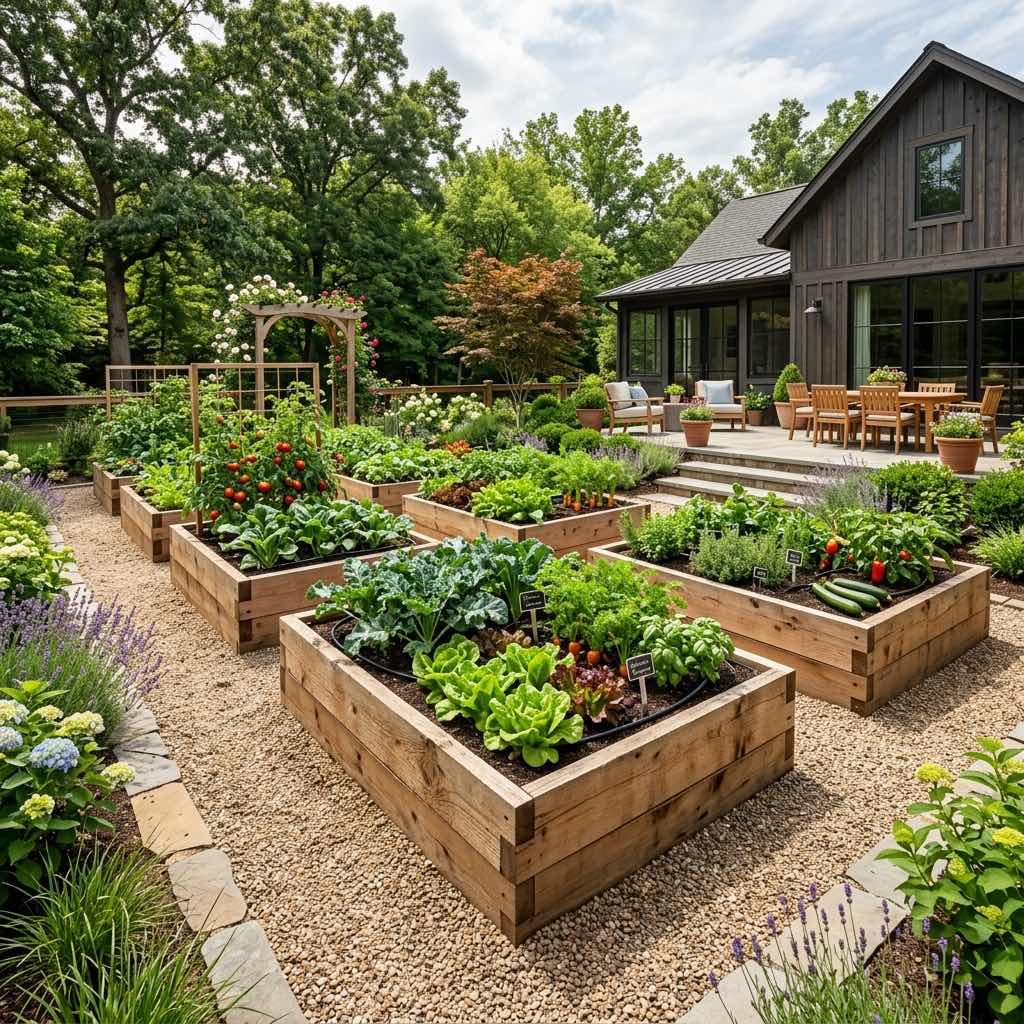
Growing your own fresh vegetables, herbs, and flowers is one of the most rewarding ways to connect with nature and support a sustainable lifestyle. However, traditional in-ground gardening can be challenging due to poor soil conditions, weed invasions, and bending over for long periods. Upgrading your outdoor space with creative raised garden bed ideas is the ultimate way to solve these gardening problems while enhancing the visual appeal of your yard. Raised beds provide excellent soil drainage, prevent soil compaction, keep weeds out, and protect your plants from crawling pests. In this comprehensive organic gardening guide, we share the best materials, layouts, and staging tips for building your backyard garden.
The Practical Benefits of Raised Beds
Exploring various raised garden bed ideas before building is essential to customize your garden to your space and physical needs. Raised beds sit above the natural ground level, which offers multiple advantages. First, you have complete control over the soil mixture, allowing you to create the perfect nutrient-rich environment for your plants. Second, because you never step inside the beds, the soil remains loose and aerated, which allows plant roots to grow deep and strong. Finally, raised beds can be built at various heights, making gardening much more comfortable for your back and knees by reducing the need to bend down.
1. Material Selections for Durable Garden Beds
The materials you select for your raised beds will determine their durability, cost, and overall style. Cedar and redwood are the gold standards for wooden beds because they contain natural oils that resist rot and insect damage without the use of chemical preservatives. You can also use corrugated galvanized steel panels framed with timber for a modern, industrial look that is incredibly long-lasting. For a rustic, permanent aesthetic, consider building beds out of natural stone, bricks, or concrete blocks. Avoid using old pressure-treated timber, as it can contain chemical preservatives that could leach into your organic soil and be absorbed by your edible vegetables.
2. Choosing the Perfect Location and Sunlight
To ensure your plants thrive, you must position your raised beds in the right location. Most vegetable crops, such as tomatoes, peppers, and squash, require at least six to eight hours of direct sunlight daily. Walk your yard during the day to map out the sunniest areas, keeping in mind shadows cast by trees, fences, and your house. Position the beds running from north to south, which ensures that all plants receive equal sunlight throughout the day without taller plants shading out shorter ones. Ensure there is a nearby water source so you can easily irrigate your garden without carrying heavy hoses.
3. Soil Blending and Nutrient Management
The secret to a highly productive garden lies in the quality of the soil inside the beds. When implementing raised garden bed ideas, avoid using standard topsoil from your yard, as it is often too dense and clay-heavy. Instead, fill your beds with a premium mixture: 50% high-quality organic compost, 30% topsoil, and 20% organic matter like peat moss or vermiculite. This creates a lightweight, spongy soil that retains moisture while draining excess water easily. Regularly top off the beds with fresh compost each spring to replenish nutrients, and use organic fertilizers like kelp meal or compost tea to feed your plants naturally.
4. Space-Saving Layouts and Tiered Designs
Designing the layout of your beds is crucial to maximize productivity and keep your yard looking organized. Keep the width of your beds to four feet or less, which ensures you can easily reach the center of the bed from either side without stepping on the soil. For small yards, consider building tiered or step-style raised beds, which utilize vertical space to grow more plants in a compact footprint. You can also install vertical trellises on the north side of the beds, allowing climbing plants like cucumbers, peas, and pole beans to grow upward, leaving the bed surface free for leafy greens and herbs.
5. Integrating Drip Irrigation and Watering Systems
Proper watering is critical for raised beds because they drain and dry out faster than traditional in-ground gardens. When researching raised garden bed ideas, plan to install an automated drip irrigation system. Drip irrigation delivers water directly to the root zone of the plants through small emitters, reducing water evaporation by up to 50% and keeping the leaves dry to prevent fungal diseases. Connect your drip system to a smart hose faucet timer, allowing you to schedule watering early in the morning when evaporation is lowest. This ensures your garden stays healthy and hydrated even when you are away on vacation.
6. Staging and Visual Integration in Your Yard
Your garden should look like a natural, beautiful extension of your home’s outdoor living space. Design wide, comfortable pathways between your raised beds—aiming for a width of at least three feet to allow space for wheelbarrows and lawnmowers. Fill the pathways with sustainable materials like organic wood mulch, pea gravel, or flagstones to keep weeds down and create a clean, modern look. Stage the area by placing a comfortable wooden bench nearby, hanging string lights overhead, and planting colorful, pollinator-friendly flowers like marigolds and lavender around the borders of the beds to attract bees and butterflies.
7. Pest Prevention and Crop Rotation Rules
To protect your hard work, you must implement natural pest control and soil management strategies. When designing your raised garden bed ideas, install a layer of galvanized hardware cloth or gopher wire at the bottom of the beds before filling them with soil. This prevents burrowing pests like gophers and moles from eating your plants’ roots. Next, practice crop rotation by changing the planting location of plant families each year. For example, do not plant tomatoes in the same spot two years in a row. This prevents soil-borne diseases and pests from building up in the soil, ensuring your garden remains healthy.
8. Seasonal Planting and Harvesting Success
To get the most out of your raised beds, plan your planting schedule around the changing seasons. In the cool spring and fall months, plant cold-hardy crops like spinach, kale, radishes, and carrots. During the hot summer months, transition to warm-season crops like tomatoes, peppers, eggplants, and basil. Harvest your crops regularly, which encourages the plants to produce more fruit and prevents pests from being attracted to overripe vegetables. At the end of the growing season, clean out dead plant debris and plant a cover crop like clover or winter rye to protect the soil from erosion and add nitrogen back into the ground, or simply lay down a thick layer of straw mulch to insulate the beds during the cold winter months.
To summarize, building your backyard garden using creative raised garden bed ideas is an outstanding way to design a beautiful, highly productive, and sustainable oasis. By choosing durable cedar or metal materials, locating beds in full sun, filling them with a rich compost mixture, and installing automated drip irrigation, you can create a thriving organic garden. Prioritize comfortable pathways and companion flowers to integrate the garden into your yard’s landscape. Enjoy the physical health benefits of fresh air and gentle exercise, and harvest delicious, home-grown organic food for your kitchen table for many years to come.
To learn more about optimizing your space, explore our guide on Modern Backyard Office Pod Layouts.
For additional tips on creating a beautiful home, read our article about Modern Backyard Inground Trampoline Setups.
If you are planning a renovation, you might also find our ideas on Raised Bed Gardening Guide helpful.
To discover more sustainable choices, check out our tips on Garden Soil Preparation.
Enhance your living space further by exploring our recommendations for Best Solar Outdoor String Lights for Patio.