
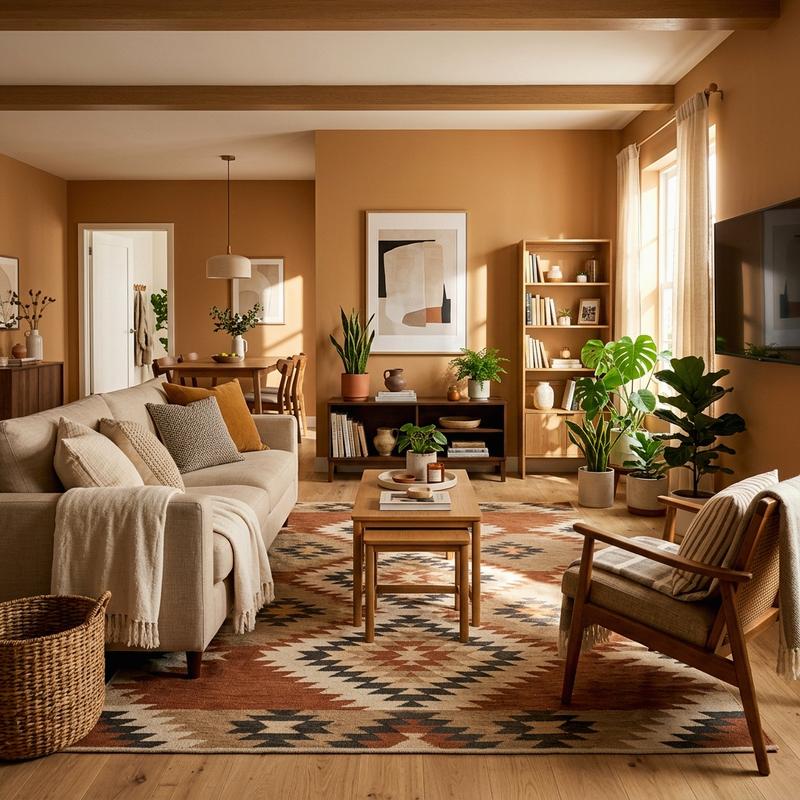
Budget Home Makeover Ideas: 10 High-End Design Secrets That Cost Next to Nothing
Our team at HomeTunez has spent years analyzing what makes a room feel truly luxurious. Many homeowners assume that achieving a high-end look requires spending tens of thousands of dollars on custom furniture and designer decor. However, we have found that true luxury is about scale, harmony, and editing rather than raw cost. By understanding how light behaves and how textures interact, you can elevate any room on a micro-budget. High design is not about wealth, but about intentionality and creative problem-solving. We want to show you how to unlock these secrets.
In my interior architecture practice, I have worked with clients from all walks of life. I have seen massive budgets wasted on cluttered, disjointed spaces, and tiny budgets transformed into breathtaking retreats. The key is knowing where to focus your energy and resources. By making small, thoughtful adjustments to your current layout and finishes, you can achieve a sophisticated aesthetic without overspending. Luxury is a feeling of comfort, clarity, and refinement that you can build yourself. This journey is both rewarding and highly economical.
A few years ago, I helped a young family renovate their dark, cramped living room. They had only a few hundred dollars to spend, but they were determined to create a beautiful, welcoming space. We started by purging unnecessary furniture, decluttering surfaces, and rearranging their layout to maximize natural light. Then, we applied a fresh coat of warm neutral paint and added inexpensive custom moldings to the walls. The transformation was absolutely astonishing, proving that strategic changes are far more powerful than expensive purchases. The family felt as though they had moved into a brand-new, high-end home.
When embarking on a budget makeover, it helps to carry this philosophy of editing and sustainability into other rooms. For instance, if you are looking for ways to refresh your sleeping quarters, exploring sustainable bedroom design ideas can guide you in choosing low-impact, natural elements. Investing in organic textiles and upcycled wood accents creates a healthy, peaceful sanctuary that feels premium. By focusing on eco-friendly, durable items, you protect your indoor air quality while saving money over time. Designing with nature in mind always yields the most enduring results.
This comprehensive guide shares ten high-end design secrets that cost almost nothing to implement. These concepts are designed to help you rethink your spaces, edit your belongings, and apply professional design principles. Whether you are refacing old cabinets, styling shelves, or installing custom wainscoting, these tips will guide you. You do not need a massive bank account to live in a beautiful, styled home. With a little time and creativity, you can achieve a stunning transformation. Let us dive into the details of budget-friendly luxury.
Material Selection and Durability on a Budget
Achieving a high-end look on a budget requires selecting materials that look expensive and last for years. Cheap laminates and plastics often degrade quickly, making them a poor investment even at low prices. Instead, focus on sourcing natural wood, metal, glass, and high-performance textiles. You can often find premium materials at salvage yards, thrift stores, or online marketplaces. Sourcing solid wood allows you to sand, stain, and refinish pieces multiple times, ensuring outstanding longevity. By choosing quality substrates, you build a durable foundation that stands up to daily wear.
Paint is the ultimate budget-friendly tool for transforming walls and furniture. However, using cheap, low-grade paint will result in a flat finish that scratches easily and requires frequent touch-ups. We recommend investing in high-performance paint from Farrow & Ball to achieve deep, rich colors. Their water-based, eco-friendly finishes offer exceptional coverage and durability, making them perfect for high-traffic walls or cabinets. A single gallon of premium paint can completely change the mood of a room, providing a velvety, high-end look that lasts for decades.
Wooden elements, such as hardwood floors, tables, and cabinets, require regular maintenance to keep their premium appearance. Scratches, dirt, and water spots can quickly make expensive wood look neglected. To protect and restore these surfaces, we suggest using specialized cleaning and maintenance products from Bona. Their gentle, residue-free formulas remove dirt and restore shine without stripping the protective finish of your wood. Keeping your wooden furniture clean and polished prevents premature aging and maintains a fresh, high-end look throughout your entire home.
When upgrading seating cushions, headboards, or accent pillows, choosing the right textile is essential for longevity. Mismatched or worn-out fabrics can instantly ruin a room’s aesthetic. For indoor upholstery that needs to withstand spills and heavy use, high-performance fabrics from Crypton are an outstanding choice. These textiles feature an integrated moisture and stain barrier that prevents liquids and odors from penetrating the fibers. Using Crypton ensures your DIY upholstery projects remain clean, fresh, and beautiful for years, even in homes with busy families.
For outdoor areas, sunny breakfast nooks, or high-humidity spaces, standard fabrics will quickly mildew and fade. To prevent this, use solution-dyed acrylic textiles from Sunbrella for your cushions, drapes, and seat covers. These fabrics are engineered to resist water, stains, and UV damage, ensuring their colors remain vibrant under direct sunlight. You can often purchase Sunbrella fabric remnants online or at local outlets to save money on your projects. This choice provides professional-grade durability at a fraction of the cost.
Finally, keeping your refreshed spaces clean should not involve introducing harsh chemicals that degrade finishes and pollute your air. We recommend maintaining your counters, glass, and wood surfaces with gentle, plant-derived cleaning products from Method. Their biodegradable, non-toxic sprays clean effectively while leaving a pleasant, natural scent. Using Method products protects the longevity of your newly painted or refinished surfaces from chemical corrosion. Keeping your home clean with green products supports a healthy lifestyle and preserves your hard work.
Built-In Integrations and Space Optimization
One of the most effective ways to make a home look expensive is through built-in integrations. Custom millwork and recessed storage create a clean, seamless look that maximizes spatial efficiency. In contrast, freestanding, mismatched storage units often look cluttered and make rooms feel smaller. You can create the illusion of custom built-ins by wrapping standard bookcases in trim and molding. This simple hack turns inexpensive shelving into a cohesive, architectural feature that elevates the entire room’s design.
Optimizing your living room layout is crucial for creating a sense of luxury and comfort. If you are struggling with a cramped or awkward floor plan, applying budget-friendly modern living room decor ideas can help you arrange furniture to improve flow. Grouping seating to encourage conversation and keeping pathways clear makes the room feel spacious and inviting. Utilizing multi-functional furniture, like storage ottomans, helps hide clutter while providing extra seating. A well-organized layout is the foundation of any premium interior design.
Integrating technology seamlessly into your layout is another key design secret. Visible cords, bulky electronics, and poorly placed cameras can disrupt the clean lines of a styled room. Many homeowners place the best smart indoor security cameras for home in subtle locations, like bookshelf corners or custom console niches. This placement keeps your home secure without letting technology overpower your aesthetic design. Hiding wires and brackets behind cabinets or furniture makes your tech setup look clean and integrated.
When planning smart home upgrades, it is essential to ensure that your devices communicate reliably. Choosing the right smart home protocols (Zigbee, Z-Wave, Wi-Fi) ensures that your smart sensors, lights, and cameras function as a cohesive system. Using low-power protocols like Zigbee reduces battery drain and allows sensors to trigger events instantly. For example, you can program your entryway lights to turn on when your smart lock opens. This seamless automation adds a layer of modern luxury to your budget makeover.
Even the smallest utility areas, like laundry closets, benefit from built-in organization. Keeping detergent bottles and wash supplies organized prevents clutter from spilling into corridors. For instance, storing the best eco-friendly laundry detergent sheets in glass canisters on a built-in shelf saves space and looks beautiful. This simple swap eliminates bulky plastic jugs and matches a clean, modern aesthetic. Thoughtful details like matching storage containers transform necessary chores into a pleasant, organized routine.
By combining custom-looking built-ins with smart spatial planning, you can make a modest home feel like a luxury estate. Focus on utilizing vertical space, recessing storage where possible, and keeping surfaces clear of daily clutter. These integrations create a sense of order and serenity that defines premium design. Take your time to plan each zone, ensuring that your layout fits your lifestyle. With careful planning, you can optimize every square foot of your home without breaking the bank.
Comparing Budget Makeover Solutions
To help you choose the best budget-friendly upgrades for your home, our team has compiled a detailed comparison of popular DIY projects. Each makeover solution offers distinct advantages in terms of cost, difficulty, durability, and visual impact. Reviewing these characteristics will help you prioritize your projects and achieve the greatest return on your investment. The table below outlines key metrics for five high-impact, low-cost design secrets.
| Makeover Solution | Estimated Cost Range | DIY Difficulty | Durability Rating | Aesthetic Impact |
|---|---|---|---|---|
| Paint Drenching | $50 – $150 | Low | High (5-10 Years) | Excellent (Dramatic color transition) |
| Custom Box Molding | $100 – $250 | Medium | Outstanding (20+ Years) | Very High (Adds architectural character) |
| Refaced Cabinetry | $200 – $500 | Medium-High | Very Good (10-15 Years) | Outstanding (Transforms kitchen/bath) |
| Floating Shelving | $40 – $100 | Low-Medium | Good (8-12 Years) | High (Adds vertical storage/styling) |
| Gallery Wall | $30 – $80 | Low | Excellent (15+ Years) | High (Personalizes empty walls) |
Step-by-Step DIY Box Molding Guide
Installing custom wall molding, also known as box molding or wainscoting, is one of the most effective ways to add architectural character to a plain drywall room. It creates depth, shadow lines, and a high-end feel that matches historic estates. This step-by-step DIY guide walks you through the entire process of measuring, cutting, mounting, and painting box molding on an accent wall. Follow these steps carefully to ensure a professional, seamless finish.
Step 1: Measuring and Planning the Layout
Begin by measuring the width and height of the accent wall you want to customize. Sketch your layout on paper, deciding how many molding frames or boxes you want to install. Standard box molding spacing is four to six inches between the wall edges and between each frame. Draw the lines directly onto the wall using a pencil, a tape measure, and a level to ensure everything is perfectly straight. Check that you do not overlap with electrical outlets. Accurate marking is the secret to a professional installation.
Step 2: Cutting the Molding Pieces
Settle on your trim material, choosing lightweight pine or MDF molding strips. Cut the trim pieces to length using a miter saw or a manual miter box. Each corner of the box molding requires a precise 45-degree angle cut to form a neat 90-degree corner when joined. Sand the cut edges lightly with fine sandpaper to remove any wood burrs or splinters. Label the back of each piece with its position on your layout to prevent confusion during installation. Use safety glasses during cuts.
Step 3: Attaching the Molding to the Wall
Place your cut trim pieces along the pencil lines on the wall. Apply a thin bead of heavy-duty construction adhesive along the back of the molding strip. Secure the trim to the wall studs using a brad nailer with two-inch finishing nails. If studs are not available, angle the nails in opposite directions to create a secure anchor in the drywall. Use your level constantly to verify that the trim remains perfectly horizontal and vertical as you nail it down. Wipe away excess adhesive.
Step 4: Caulking and Sanding the Joints
Once all the trim pieces are secured, fill the nail holes with sandable wood filler. Apply paintable latex caulk along the gaps where the molding meets the drywall and at the corner miter joints. Smooth the caulk line with a damp finger or a caulking tool to create a clean, continuous transition. Let the caulk and wood filler dry completely, which usually takes two hours. Sand the wood filler spots smooth using 220-grit sandpaper until they are flush with the trim. Wipe away dust.
Step 5: Painting the Wall and Trim
Clean the wall and trim surfaces to remove any sanding dust. Apply a high-quality primer to the molding if using raw wood or unprimed MDF. Once dry, paint the wall and the molding the exact same color to achieve a modern, cohesive look. We recommend using a high-quality satin or eggshell paint from Farrow & Ball for a durable, velvet-like finish. Use a brush to paint the molding details first, then use a roller for the flat wall areas. Apply two coats.
Frequently Asked Questions
Can I paint over laminate cabinets on a budget?
Yes, you can paint over laminate cabinets on a budget, but proper preparation is essential. Start by cleaning the cabinets with a degreaser to remove dirt and oils. Next, sand the surfaces lightly with fine-grit sandpaper to create a texture for the paint to grip. Apply a high-quality bonding primer designed for laminate surfaces. Once dry, paint the cabinets with durable, moisture-resistant paint using a foam roller for a smooth, high-end finish.
What is the most cost-effective way to update old flooring?
The most cost-effective way to update old flooring is by installing luxury vinyl plank or tile. This material is highly durable, water-resistant, and relatively easy to install yourself over existing floors. If you have hardwood floors, renting a sander and refinishing them with Bona sealers can restore their original beauty for a fraction of the cost of replacement. Peel-and-stick tiles are another excellent option for budget bathroom makeovers.
How do I choose high-quality paint colors on a budget?
To choose high-quality colors, start by purchasing small sample pots and painting large swatches on your walls. Observe how the paint colors look at different times of day under both natural and artificial light. We recommend selecting rich, complex colors from Farrow & Ball to achieve a premium depth of color. Neutral tones like warm white, soft greige, and muted charcoal work beautifully to create a classic, expensive look without overspending.
What are some low-cost lighting upgrades?
You can upgrade your lighting by replacing outdated builder-grade fixtures with modern, stylish alternatives found online or at thrift stores. Swapping out standard yellow incandescent bulbs for energy-efficient, high-CRI LED bulbs instantly brightens a room and improves color rendering. Adding dimmers to your main switches allows you to adjust the lighting level to create a cozy, premium atmosphere. Installing under-cabinet LED strip lights adds excellent task lighting on a budget.
How can I make my rental home look expensive?
You can elevate a rental home by focusing on temporary, high-impact changes. Swap out standard plastic cabinet knobs for premium metal or leather pulls, keeping the originals to reinstall when you move. Use peel-and-stick wallpaper to create a temporary accent wall, and hang large, lightweight framed art using damage-free adhesive strips. Adding large area rugs helps cover unsightly floors, while hanging floor-length curtains makes the ceilings look much taller.
What is the best way to hide television cords?
The best way to hide cords is by routing them through an in-wall cable organizer kit, which conceals wires behind the drywall. If you are renting or cannot cut into your walls, use paintable plastic cord covers mounted along the wall or baseboard. Painting the covers the same color as your wall makes them virtually invisible. Bundling cables with hook-and-loop straps behind media consoles also helps keep the space clean.
How do I find quality secondhand furniture online?
To find quality secondhand pieces, search online marketplaces daily using specific search terms like solid wood, vintage, mid-century modern, or teak. Check local estate sales and thrift stores regularly, as high-quality items sell quickly. Look for furniture with sturdy joinery and clean lines, even if the finish is scratched or worn. You can easily sand and refinish solid wood tables, cabinets, and chairs to match your design style.
Can I install crown molding myself?
Yes, you can install crown molding yourself, but cutting the corner angles requires patience and accuracy. Using a miter saw or a miter box helps you cut precise angles for inside and outside corners. If angles seem too challenging, consider using corner blocks, which eliminate the need for complicated miter cuts. Secure the molding to the wall studs using a brad nailer, then fill gaps with caulk before painting.
How do I mix metal finishes in my home decor?
Mixing metal finishes adds depth and interest to a room, making it look professionally designed. To mix metals successfully, choose one dominant finish, like matte black or brushed brass, to cover about seventy percent of the metal surfaces. Then, select one or two accent metals, like polished chrome or antique copper, for secondary elements. Ensure the metals are distributed evenly throughout the space to keep the design balanced and cohesive.
What budget styling tips make a bedroom look luxurious?
You can make a bedroom feel luxurious by layering textiles and styling surfaces intentionally. Invest in high-quality sheets, a fluffy duvet insert, and layer pillows to create a plush, inviting bed. Clear clutter from nightstands, leaving only a stylish lamp, a small green plant, and a ceramic tray for jewelry. Hang large framed art above the bed, and place matching bedside rugs to add warmth and texture to the space.
Design Summary
Executing a budget home makeover is about applying clever design principles and investing your time instead of your money. By editing your belongings, arranging furniture to improve layout flow, and applying fresh, high-performance paint, you can transform any room. Sourcing durable materials and keeping them clean with eco-friendly products protects your home and ensures your updates last. These strategic adjustments create a clean, cohesive environment that feels premium and welcoming.
Ultimately, high design is a reflection of your personality and care, not the size of your bank account. Using creative DIY techniques like installing box molding or refacing thrifted cabinets allows you to customize your space on a budget. This approach is highly rewarding, as it gives you a sense of pride in your handiwork and home. A beautiful, styled space reduces stress and improves your daily well-being.
Just as applying budget-friendly modern living room decor ideas refreshes your main seating area for very little cost, these secrets can be applied to every room in your home. From organizing your laundry closet with eco-friendly detergent sheets to styling bookshelves, small details matter. By planning your makeovers carefully and focusing on durable, natural materials, you can create a luxurious home that costs next to nothing.
To learn more about optimizing your space, explore our guide on Smart Home Tech for Seniors.