In my twelve years as a residential HVAC technician, I have serviced hundreds of heating and cooling systems that failed prematurely due to a single, easily avoidable issue: a dirty air filter. Understanding how to select, install, and maintain your filters is key to keeping your home comfortable, lowering your utility bills, and protecting your health. Our team at HomeTunez compiled this HVAC filter guide and tips to demystify MERV ratings, clarify replacement schedules, and help you breathe cleaner air in your home.
Understanding MERV Ratings
Air filters are rated using the Minimum Efficiency Reporting Value (MERV) scale, which ranges from 1 to 16. A higher MERV rating indicates that the filter can capture smaller particles, such as pollen, pet dander, mold spores, and smoke. For standard residential systems, we recommend choosing filters rated between MERV 8 and MERV 11, such as the Filtrete MPR 1000 or Honeywell Home basic pleated filters. These options offer excellent filtration without restricting your system’s airflow.
Avoid buying MERV 13 or higher filters unless your HVAC system is specifically designed to handle them. High-MERV filters are very thick and dense, which can restrict airflow in standard residential blowers. This restriction causes your system to work harder, leading to higher energy bills, frozen coils, or compressor failure. If you need advanced air cleaning, consider using standalone room purifiers like a Dyson Purifier Cool or a Levoit Core 400S instead of overloading your central HVAC system.
How Often Should You Replace Your HVAC Filter?
The standard rule of thumb is to replace your HVAC filter every 90 days. However, your actual replacement schedule depends on several household factors. If you have pets that shed, you should check the filter every 30 to 45 days. Pet hair and dander clog filters much faster than normal dust, reducing efficiency and distributing pet odor throughout your living spaces.
To reduce pet odors and maintain high indoor air quality, clean your pet’s bedding frequently. You can wash blankets and cushions with the best eco-friendly laundry detergent sheets to eliminate chemical scents that might irritate your pets or contaminate your airflow. Additionally, check filters monthly if anyone in your household suffers from severe seasonal allergies or asthma.
Integrating Smart Home Technology for Air Quality
Modern smart home systems make it easier than ever to monitor and maintain your indoor air quality. If you use a Nest Learning Thermostat or an ecobee Smart Thermostat Premium, you can set automatic filter change reminders based on actual system runtime hours rather than simple calendar days. This ensures you only replace the filter when it is truly dirty, saving you money on supplies.
When connecting smart thermostats and remote sensors, it is important to plan your network setup carefully. Understanding smart home protocols (Zigbee, Z-Wave, Wi-Fi) ensures your thermostat maintains a stable connection with your home automation hub. For complete peace of mind, you can monitor your indoor air environment by placing the best smart indoor security cameras for home near your vents to check for visible dust blowing into rooms when the fan turns on.
Optimizing Your Living Spaces
To keep your air filtration system running efficiently, ensure your return vents and supply registers are completely clear of obstructions. Do not block vents with furniture, heavy drapes, or storage boxes. In my experience, keeping vents open and clean is essential for proper air circulation and system balance.
If you are rearranging your furniture to improve airflow, it is the perfect time to refresh your layout. Take a look at our budget-friendly modern living room decor ideas to find stylish, open layouts that optimize air circulation while keeping your space beautiful. To create a healthy, clean sleep sanctuary, check out our guide on sustainable bedroom design ideas to reduce dust accumulation and improve sleeping conditions.
HVAC Filter Types and MERV Comparison
| Filter Type | MERV Rating | Key Features / Brands | Replacement Frequency |
|---|---|---|---|
| Fiberglass Flat | MERV 1 – 4 | Very cheap, catches only large lint particles | 30 Days |
| Basic Pleated | MERV 5 – 8 | Honeywell Home, catches dust mites and pollen | 90 Days |
| High-Efficiency Pleated | MERV 11 – 13 | Filtrete MPR 1500, catches pet dander and smoke | 90 Days |
| HEPA Filter | MERV 17 – 20 | Dyson standalone units, medical grade filtration | 6 – 12 Months |
HVAC Filter FAQ
What happens if I do not change my HVAC filter?
A clogged filter blocks airflow, forcing your HVAC system to work much harder. This raises your energy bills, reduces heating and cooling efficiency, leads to uneven room temperatures, and can cause the system to overheat and break down.
Which way should the arrow on the filter point?
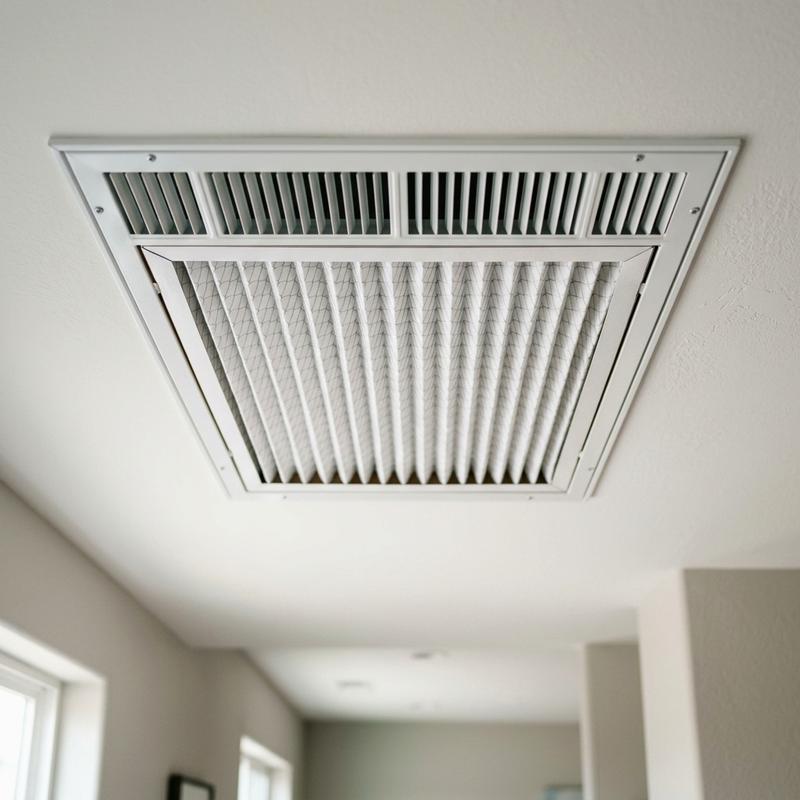
The arrow printed on the filter frame indicates the direction of airflow. It must always point toward the furnace blower unit, not toward the return duct. Installing a filter backward reduces its efficiency and can damage the filter structure.
Can I wash and reuse my HVAC air filter?
Most residential pleated filters are disposable and cannot be washed. Washing a disposable paper filter will ruin the fiber structure, making it useless. Only reuse filters that are explicitly labeled as washable, which are typically made of durable plastic mesh.
To learn more about optimizing your space, explore our guide on Holiday Lighting and Outdoor Display.
For additional tips on creating a beautiful home, read our article about Spring Home Refresh Guide.