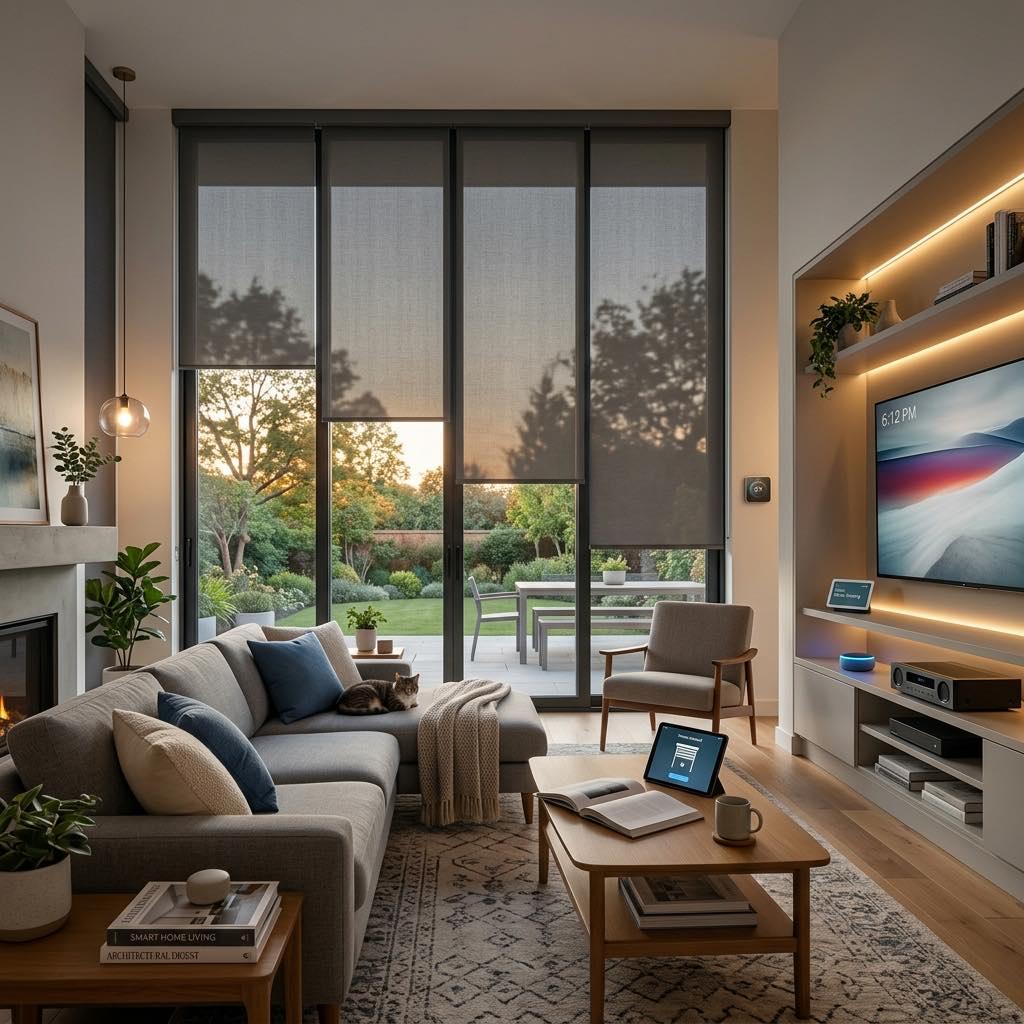
Home automation has transformed how we interact with our living spaces, making daily routines more convenient, secure, and energy-efficient. While smart lighting and voice assistants are common upgrades, window treatments are now receiving a high-tech makeover. Integrating smart blinds home automation into your house is the ultimate way to manage natural light, secure privacy, and lower energy costs. These motorized blinds can be controlled using a smartphone app, voice commands, or automated schedules that react to the sun’s position. In this comprehensive guide, we explore the benefits of smart shades, power options, integration with smart hubs, and how to choose the right materials.
What is Smart Blinds Automation?
Smart blinds automation refers to window coverings equipped with small electric motors that allow them to be controlled remotely or automatically. When researching smart blinds home automation options, you will find that these systems can be programmed to open and close based on time of day, indoor temperature, or sunlight intensity. Unlike traditional blinds that require manual pulling of strings, smart blinds utilize rechargeable batteries, solar energy, or hardwired power to adjust their position. This motorization provides a clean, cord-free design that is modern and safe for homes with children and pets.
1. The Convenience of Motorized Adjustments
The primary benefit of automating your window shades is the sheer convenience it offers. Instead of walking around your house to open and close every blind, you can adjust them all with a single tap on your smartphone or a voice command. This feature is particularly valuable for tall, hard-to-reach windows, such as skylights or double-height living room windows. You can easily control individual shades or group them together by room, allowing you to establish the perfect lighting environment throughout your entire home in just a few seconds without leaving the comfort of your couch.
2. Sourcing Power: Batteries, Solar, and Hardwiring
When selecting a smart window system, you must choose how to power the internal motors. Battery-powered blinds are the most popular because they are easy to install and do not require running electrical wires. Modern lithium-ion battery wands are rechargeable and can last up to a year on a single charge. For an eco-friendly option, you can attach a small, discreet solar panel to the window glass to recharge the battery automatically using sunlight. For new home builds or major renovations, hardwiring the blinds directly into your home’s electrical system provides a permanent power source that never requires recharging.
3. Smart Home Integration and Voice Controls
To maximize the utility of your window shades, connect them to your existing smart home hub. Most modern smart blinds are compatible with popular assistants like Amazon Alexa, Google Home, and Apple HomeKit. This compatibility allows you to adjust your shades using simple hands-free voice commands. By incorporating smart blinds home automation into your wider home system, you can control your window coverings via voice or custom app settings. For example, you can say, “Alexa, open the living room blinds,” or include your blinds in automated smart routines. Connecting your blinds to a smart hub ensures that your window treatments work in harmony with your smart thermostats, security systems, and indoor lights.
4. Designing Daily Scenes and Schedules
The real power of smart blinds home automation lies in creating automated daily schedules. You can program your bedroom blinds to open slowly at 7:00 AM, allowing natural morning daylight to wake you up gently instead of a loud alarm clock. At sunset, the blinds can close automatically to provide immediate privacy and security. You can also program the system to close the south-facing blinds during the hottest hours of the day to block intense afternoon sun, preventing your home from overheating and reducing the strain on your air conditioning unit.
5. Thermal Efficiency and Solar Heat Gain Reductions
Smart blinds are an excellent tool to improve your home’s energy efficiency. During the summer, direct sunlight passing through glass windows creates solar heat gain, warming your rooms and raising cooling costs. By automating your shades to close when the outdoor sun is intense, you block this thermal energy before it heats your home. In the winter, you can program the blinds to open during sunny hours to capture free heat from the sun, and close them at night to add an extra layer of insulation against the cold glass, lowering your heating bills.
6. Selecting Fabrics: Blackout vs. Light Filtering
The fabric you select determines how much light enters your home when the blinds are closed. For media rooms, home theaters, and bedrooms, choose blackout fabrics that block 99% of incoming light, ensuring a dark room for sleeping or watching movies. For living rooms, kitchens, and home offices, light-filtering fabrics are excellent because they block glare and protect furniture from UV damage while still allowing soft, diffused daylight to fill the room. Woven wood, linen, and solar screens are popular fabric choices that add beautiful texture to your windows.
7. Measurement and Installation Rules
To ensure your motorized blinds function correctly and look custom-designed, you must take precise measurements. Decide whether you want an inside mount (where the blinds sit inside the window casing) or an outside mount (where the blinds are mounted on the wall above the window frame). Inside mounts offer a clean, minimalist look but require a specific depth to fit the motor and battery wand. Measure the width at the top, middle, and bottom of the window casing to ensure the blinds do not rub against the sides, which can damage the motor and drain the battery quickly.
8. Top Brands and System Selection
When shopping for smart blinds home automation products, look for reputable brands that offer reliable motors and easy app integration. Somfy and Lutron Serena are premium options known for quiet motors and high-quality fabrics. Hunter Douglas offers luxurious custom designs with advanced integration features. For a budget-friendly option, Ikea offers smart roller shades that connect with their smart home system. Choosing a system with a dedicated bridge ensures a stable wireless connection, preventing delays when sending commands to your window coverings.
9. Maintenance and Cleaning Rules
To keep your smart blinds working smoothly and extend their lifespan, you must follow basic maintenance and cleaning routines. Dust the fabric panels regularly using a soft brush attachment on your vacuum cleaner or a clean feather duster once a week. Avoid using harsh chemical cleaners, bleach, or soaking the fabric in water, which can damage the delicate material and short-circuit the internal motors or electronics. If the motor begins to make a louder humming noise than usual, check the window tracks for dust, hair, or obstructions and ensure the lithium-ion battery is fully charged. Proper care keeps your smart window treatments looking beautiful and operating quietly.
To finish, upgrading your home with smart blinds home automation is an outstanding way to improve comfort, convenience, and energy efficiency. By choosing the right power source, integrating the system with your smart home assistant, and designing automated scenes, you can customize your environment. Select the appropriate fabrics for light control, measure carefully for a perfect fit, and choose reliable brands. Take the time to maintain the motors and clean the fabrics, and enjoy the modern convenience of your automated window treatments for many years to come.
To learn more about optimizing your space, explore our guide on Smart Mirror Workout Home Gym Tech.
For additional tips on creating a beautiful home, read our article about Smart Home Wall Mount Control Panel Ideas.
If you are planning a renovation, you might also find our ideas on Smart Home Lighting Ideas helpful.
To discover more sustainable choices, check out our tips on Smart Home Protocols Explained.