
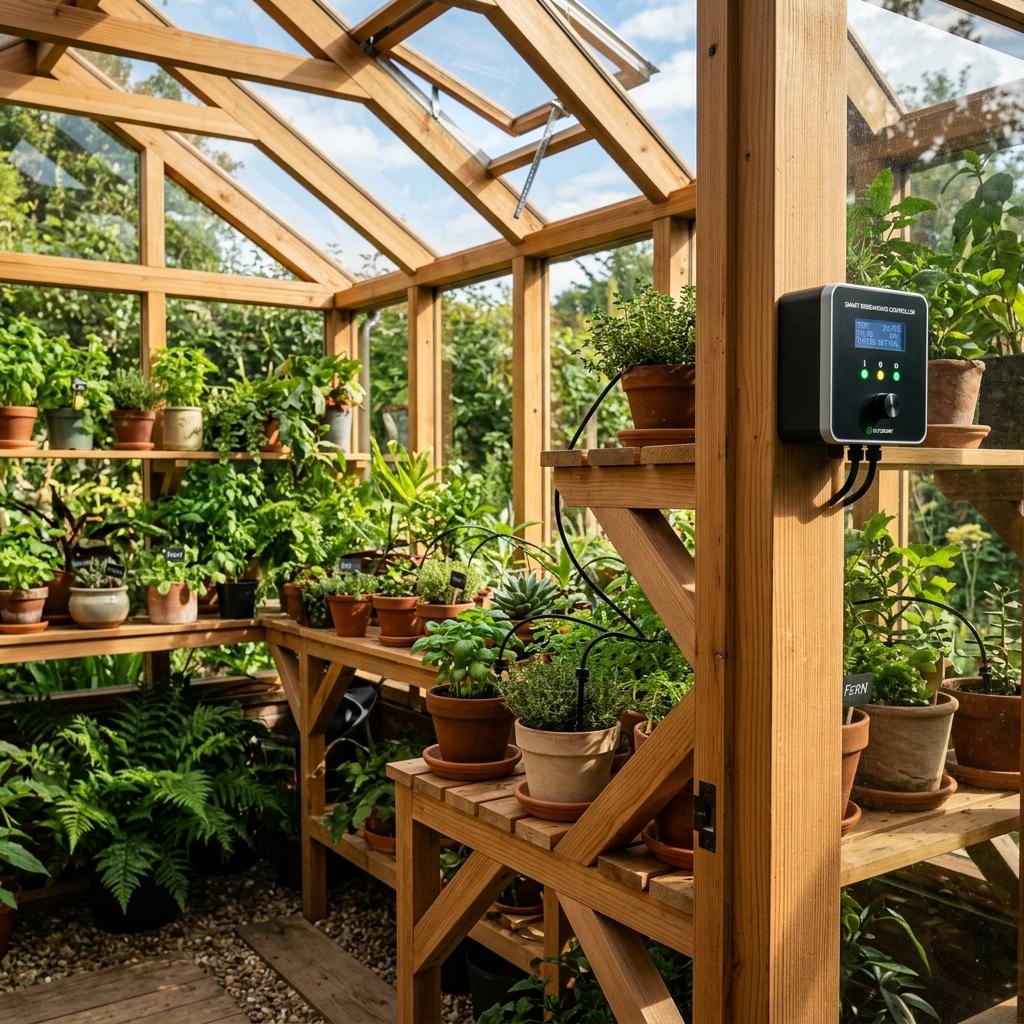
For modern home gardeners, technology has opened up exciting new ways to care for plants. Building a backyard greenhouse is a wonderful way to grow fresh produce year-round, but managing temperature, humidity, and soil moisture manually can be time-consuming. Fortunately, by adopting various smart greenhouse automation ideas, you can design an eco-friendly system that cares for your plants automatically. In this detailed guide, we explore the best automated systems for climate control, water conservation, and monitoring, helping you build a healthy, sustainable growing space.
Why Automate Your Greenhouse?
Greenhouses trap solar heat, which is excellent during cold weather but can quickly overheat plants on warm days. Keeping the environment balanced requires constant attention. Incorporating smart greenhouse automation ideas solves this problem, using digital sensors, controllers, and actuators to monitor and adjust conditions in real-time. Automation helps conserve water, reduces energy use, and protects your plants from extreme temperature changes. This creates a highly efficient system that allows your garden to thrive, even when you are away from home.
1. Install Automated Window and Roof Vents
Temperature control is the most important factor in greenhouse success. On hot days, heat builds up quickly, which can damage delicate plants. Installing automatic roof and window vents is a fundamental step when exploring smart greenhouse automation ideas. You can choose non-electric, wax-cylinder openers that expand and open the vents automatically when temperatures rise, or install smart motorized vent openers connected to a central digital controller. Motorized vents can be programmed to open when the temperature exceeds a set limit (e.g., 78°F) and close when it drops, ensuring a stable, safe environment for your plants.
2. Implement a Smart Micro-Drip Irrigation System
Water conservation is a key part of sustainable gardening. Traditional watering methods can waste water and leave some plants dry while drowning others. A central feature of top smart greenhouse automation ideas is a smart micro-drip irrigation system. Drip emitters deliver water directly to the roots of each plant, minimizing evaporation and waste. Connect your drip system to a smart irrigation controller, like a Rachio or Orbit B-hyve. These smart controllers adjust watering schedules based on soil moisture sensors and local weather forecasts, ensuring your plants receive the right amount of water only when they need it.
3. Set Up Soil Moisture and Temperature Sensors
To water your plants efficiently, you need accurate, real-time data about your soil. Relying on simple timers can lead to overwatering on humid days. When planning your system, incorporate wireless soil moisture and temperature sensors throughout your planting beds. These sensors are key components in modern smart greenhouse automation ideas, sending soil data directly to your phone or smart home hub. If the soil moisture drops below a set percentage (e.g., 35%), the sensor triggers the smart irrigation valve to water that specific area. This data-driven approach keeps your soil perfectly balanced, supporting strong root growth.
4. Integrate Automated Shade Cloths and Grow Lights
Managing light levels is essential for growing healthy plants. During peak summer, intense sunlight can scorch delicate leaves, while dark winter days may not provide enough light. To solve this, consider automated lighting solutions. Many advanced smart greenhouse automation ideas suggest installing motorized roller shade cloths that deploy automatically when sunlight reaches high levels. For winter gardening, hang energy-efficient full-spectrum LED grow lights. Program these grow lights to turn on automatically during overcast days or early mornings, ensuring your plants receive a consistent 12 to 14 hours of light daily for optimal growth.
5. Set Up Real-Time Climate Monitoring Alerts
Even with automated systems, it is important to know if something goes wrong, such as a power outage or a stuck vent. Real-time monitoring provides peace of mind. A popular choice among smart greenhouse automation ideas is to set up a smart climate sensor, like the RuuviTag or TempStick, inside your greenhouse. These sensors monitor temperature, humidity, and air pressure, sending real-time alerts to your smartphone if conditions go outside safe limits. If the greenhouse temperature exceeds 90°F or drops below 40°F, you will receive an instant notification, allowing you to check the system and protect your plants.
6. Power Your Smart Greenhouse with Solar Energy
To make your smart greenhouse truly eco-friendly, power the system using renewable solar energy. Automated vents, sensors, and water valves use very little electricity, making them perfect for solar power. When researching smart greenhouse automation ideas, look into small, DIY off-grid solar panel kits. A single 100-watt solar panel paired with a small 12V deep-cycle battery can easily power your sensors, smart controller, and a small water pump. Using solar power removes the need to run electrical cables to your garden, making your setup sustainable and easy to install anywhere in your yard.
Summary: Smart Greenhouse System Checklist
Building a sustainable, automated growing space is simple when you focus on these essential components:
| Automation System | Smart Staging Choice | Sustainable & Practical Benefit |
|---|---|---|
| Climate Venting | Motorized roof vents connected to temperature sensors | Prevents overheating automatically without manual monitoring |
| Watering System | Micro-drip emitters with smart irrigation controller | Conserves water by delivering moisture directly to roots |
| Sensors | Wireless soil moisture and temperature sensors | Triggers watering schedules based on real-time soil needs |
| Light Control | Motorized shade cloths and LED grow lights | Protects leaves from summer heat and extends winter growing |
| Energy Source | 100W off-grid solar panel kit with battery | Runs the entire system on free, clean renewable energy |
To summarize, adopting smart greenhouse automation ideas allows you to build a highly efficient, sustainable garden. By automating your vents, using drip irrigation, tracking soil moisture with sensors, and powering the system with solar energy, you can create a healthy environment for your plants. This smart approach saves time, conserves resources, and makes growing fresh, healthy food at home easy and enjoyable.
To learn more about optimizing your space, explore our guide on Modern Backyard Office Pod Layouts.
For additional tips on creating a beautiful home, read our article about Modern Backyard Inground Trampoline Setups.
If you are planning a renovation, you might also find our ideas on Raised Bed Gardening Guide helpful.
To discover more sustainable choices, check out our tips on Garden Soil Preparation.