
Introduction to Home Water Management
Modern homes are equipped with sophisticated automation systems designed to enhance daily comfort, security, and energy efficiency. While homeowners readily invest in smart locks, security cameras, and automated thermostats, one critical utility is often left completely unmonitored: water. Plumbing failures and hidden pipe leaks are unfortunately among the most common and expensive sources of property damage worldwide, causing billions of dollars in insurance losses and repair bills annually. To address this vulnerability, implementing a smart home water monitoring system has become an essential upgrade for modern property owners who want to secure their investments. By using advanced pressure sensors and cellular or local wireless connectivity, these modern systems track your water usage in real-time, helping you identify issues before they lead to catastrophic structural damage and costly repair projects.
The beauty of this technology lies in its proactive nature. Rather than waiting for a living room ceiling to sag or hazardous black mold to appear, a comprehensive smart home water monitoring solution alerts you to water anomalies the moment they occur. Whether it is a catastrophic burst pipe, a slowly leaking toilet valve, or a dripping faucet behind a kitchen wall, the system provides immediate, high-priority notifications directly to your smartphone. This instant awareness allows you to take action quickly, minimizing expensive repair costs and preserving your home’s core structure. In this article, we will explore the internal mechanisms, environmental benefits, key features, and installation processes of these advanced systems, demonstrating how they safeguard your home sanctuary and optimize your monthly utility consumption.
How Smart Water Monitors Protect Your Property
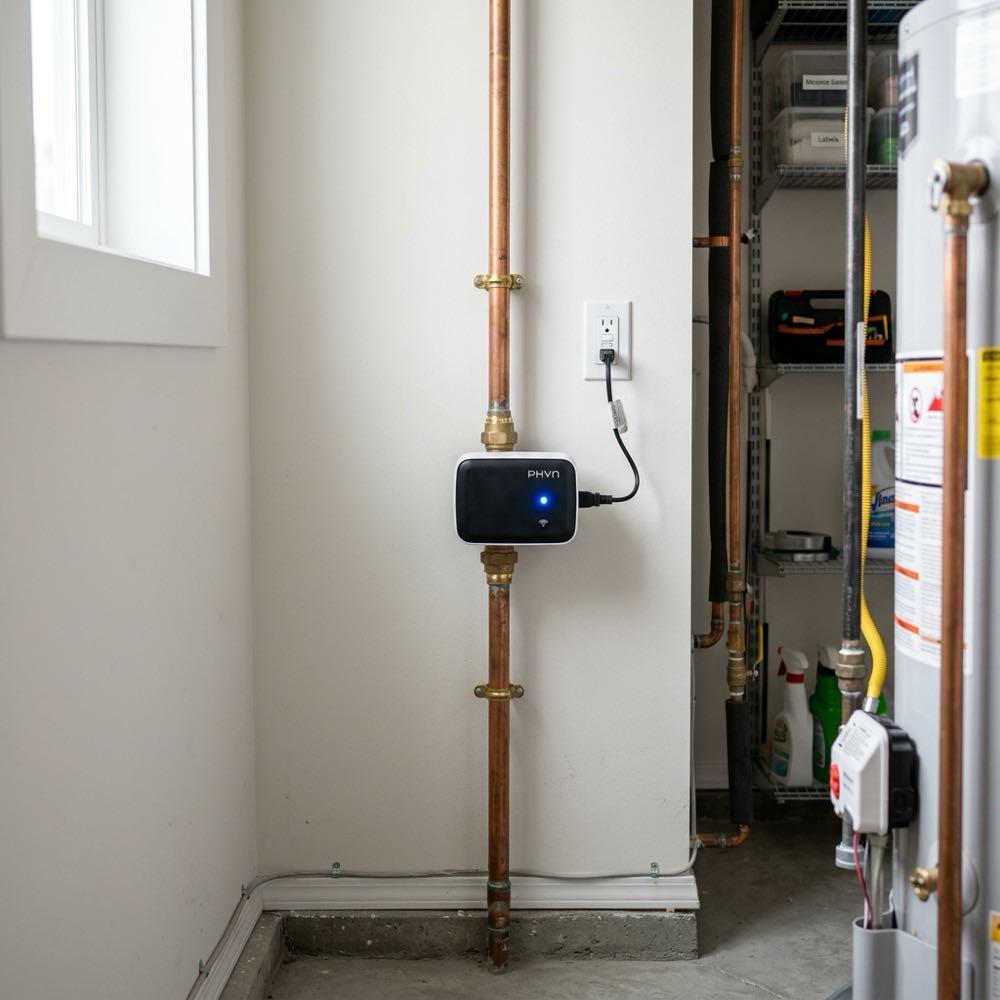
Understanding how these devices function helps explain their high reliability in real-world scenarios. Most systems are installed on the main water supply line where the incoming water enters your home, right after the municipal meter. Once active, the monitor continuously measures the flow rate, internal pressure, and ambient temperature of the water passing through the copper pipe. Some high-end models use ultrasonic technology to detect minute changes in water flow, while others rely on physical turbine-based measurements. By establishing a baseline of your normal daily usage patterns, the software system can quickly identify unusual behaviors that indicate a leak, such as a continuous flow of water for several hours.
For maximum protection, look for a smart home water monitoring system that includes an automatic shutoff valve. When the system detects a major anomaly, such as a sudden surge in water flow that indicates a burst pipe, it can automatically close the main valve to stop the flow of water. This rapid response is crucial if a leak occurs while you are away from home, preventing thousands of gallons of water from flooding your living areas. Plus, these monitors track pressure drops, which can warn you of potential pipe freezes during extreme winter weather, allowing you to drain the lines before they rupture.
Key Features of Advanced Water Monitors
When comparing different options on the market, look for features that match your property’s specific plumbing layout. A robust system should offer highly sensitive leak detection, capable of identifying microscopic pinhole leaks that might otherwise go unnoticed behind drywall for months. These small, hidden leaks can cause slow rotting of wooden wall framing, damage electrical systems, and promote toxic mold growth. Having a system that monitors these tiny drops ensures complete peace of mind. Another important feature is localized smart sensor integration. In addition to the main supply line monitor, you can place small battery-powered water flood sensors near high-risk appliances like laundry washing machines, basement water heaters, and kitchen dishwashers.
A user-friendly mobile application is also critical for managing your smart home water monitoring setup. The app should display real-time water usage statistics, historical trends, and clean charts showing where your water is being consumed. Some advanced apps can even categorize your water usage, showing how much water is used for showers, gardening, toilets, and appliances. This detailed insight helps you identify areas where you can conserve water and reduce your monthly utility bills. The app should also allow you to remotely open or close the main water valve with a single tap, providing complete control from anywhere in the world.
Installation and Smart Home Integration
The installation process varies depending on the type of monitor you choose. Some simple models are designed for DIY installation, wrapping around the outside of your existing copper or PEX pipes without requiring any plumbing changes. These devices use advanced ultrasonic sensors to detect water flow through the pipe walls, calculating transit times to estimate flow. While these non-invasive monitors are convenient and easy to mount near a wall outlet, they do not include automatic shutoff valves. For complete protection, a professional inline monitor is recommended. This installation requires cutting the main water line and installing the motor-driven valve device directly into the plumbing system, a task best handled by a licensed plumber to ensure compliance with local building codes and avoid pipe leaks.
Once installed, integrating your smart home water monitoring system with your wider home automation platform enhances its utility. You can connect the monitor to systems like Apple HomeKit, Google Home, or Amazon Alexa. For example, you can create automation routines that automatically shut off your water when your smart lock is set to “Away” mode, ensuring your home is protected whenever you travel. You can also pair the monitor with smart smoke detectors and security systems, allowing your smart hub to coordinate emergency responses and send alerts to multiple family members simultaneously.
Water Conservation and Long-Term Savings
Beyond leak protection, these systems play a vital role in environmental sustainability. Fresh water is a precious natural resource, and household leaks account for trillions of gallons of wasted water globally each year. By identifying and fixing running toilets and dripping outdoor faucets, you significantly reduce your environmental footprint. The detailed consumption reports provided by the app encourage mindful water use, helping your family develop habits that support a sustainable lifestyle, such as taking shorter showers or optimizing your lawn irrigation schedules.
This environmental contribution translates directly into significant financial savings on your household expenses. Reducing your water consumption lowers your monthly municipal utility bills, allowing the initial cost of the system to pay for itself over a few years. Also, many major home insurance companies recognize the risk-reducing value of these smart plumbing devices and offer substantial premium discounts of up to ten percent to homeowners who have an active water monitor with an automatic shutoff valve installed. By preventing major flood damage, avoiding expensive restoration projects, and lowering your insurance rates, the hardware investment provides excellent long-term financial returns and protects your home’s overall equity.
Conclusion
Securing your home requires addressing all potential risks, and plumbing failures should not be ignored. Investing in a smart home water monitoring system offers a reliable, modern solution for protecting your property from water damage. By tracking your daily usage, alerting you to abnormal flows, and offering remote control over your main water valve, this technology provides unmatched safety and peace of mind. Whether you are looking to prevent expensive repairs, lower your monthly utility bills, support vital water conservation efforts, or protect your property’s long-term resale value, adding this smart device to your home is a wise decision that delivers lasting security and complete safety.
To learn more about optimizing your space, explore our guide on Smart Mirror Workout Home Gym Tech.
For additional tips on creating a beautiful home, read our article about Smart Home Wall Mount Control Panel Ideas.
If you are planning a renovation, you might also find our ideas on Smart Home Lighting Ideas helpful.
To discover more sustainable choices, check out our tips on Smart Home Protocols Explained.
Enhance your living space further by exploring our recommendations for Best Smart Indoor Security Cameras for Home.