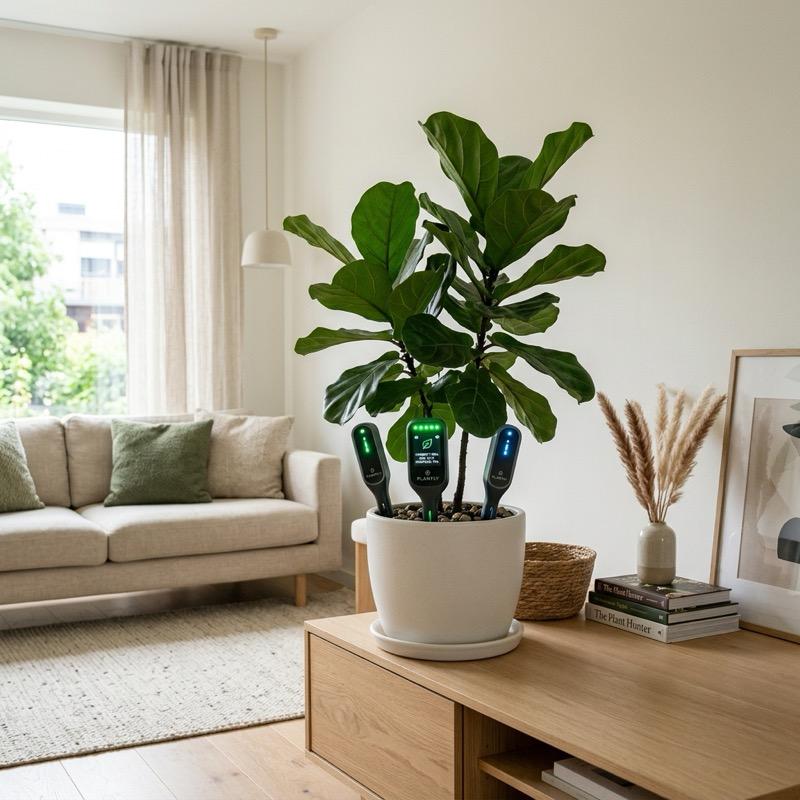
For plant enthusiasts and home gardeners, keeping indoor houseplants and outdoor gardens thriving can be a rewarding yet challenging task. Overwatering, underwatering, improper sunlight, and nutrient deficiencies are common culprits that lead to plant stress and decay. Fortunately, the rise of connected home technology has introduced smart plant monitor systems, which take the guesswork out of plant care by providing real-time diagnostic data. These innovative devices insert directly into the soil to measure moisture, temperature, sunlight, and fertilizer levels, transmitting this information directly to your smartphone. In this guide, we will explore how smart plant monitor systems work, analyze their key features, and explain how to integrate them into your home automation setup.
How Smart Soil Sensors Work
To understand the value of these sensors, it is helpful to look at how smart plant monitor systems operate. These compact devices are equipped with multiple sensors that measure the physical properties of the soil and surrounding environment. The moisture sensor uses electrical conductivity to estimate water content, while the ambient light sensor measures the intensity of sunlight reaching the leaves. A built-in thermometer tracks temperature, and electrical conductivity sensors analyze nutrient levels in the soil. By consolidating this data, the system helps you understand exactly what your plants need at any given moment, preventing common care mistakes and promoting healthy, vigorous growth. This continuous flow of information transforms basic gardening into a precise science.
Key Metrics Tracked by Soil Sensors
Tracking key soil metrics is essential for maintaining delicate plants like ferns, orchids, and tropical houseplants. Soil moisture is perhaps the most critical metric, as both dry roots and saturated, root-rot-prone soil can kill a plant. The monitor sends push notifications when soil moisture drops below a specific threshold, prompting you to water. Temperature tracking ensures your plants are not exposed to cold drafts or extreme heat. Light monitoring helps you determine if a plant is placed in the correct window, ensuring it receives the optimal amount of photosynthetically active radiation to support photosynthesis and growth. Nutrient tracking helps you schedule fertilization rounds accurately, avoiding under-fertilizing or mineral burn. By monitoring these soil dynamics, you can keep your houseplants in their ideal health zone year-round.
Bluetooth vs. Wi-Fi Connectivity Options
When choosing a monitor, you must consider the connectivity options, which typically include Bluetooth and Wi-Fi systems. Bluetooth-enabled sensors are highly energy-efficient and affordable, making them great for individual indoor plants, but they require you to be within range to sync data. On the other hand, Wi-Fi smart plant monitor systems connect to your home network, allowing you to monitor your plants from anywhere in the world. Some advanced systems use Zigbee or LoRaWAN protocols, which offer long-range connectivity, making them ideal for large outdoor gardens or greenhouses. Choosing the right connection type depends on the scale of your plant collection and your budget. Selecting the correct signal protocol ensures reliable alerts.
Top Features of Leading Plant Monitors
Modern monitors offer a variety of user-friendly features, including extensive plant databases and personalized care recommendations. The accompanying mobile apps often contain directories of thousands of plant species, allowing you to select your specific plant and receive tailored alerts based on its natural habitat. Some apps also include photo diaries, allowing you to track your plant’s growth over time, and community forums where you can share tips with other gardeners. Investing in high-quality smart plant monitor systems ensures that you have access to expert care instructions and diagnostic tools that make plant parenting stress-free and enjoyable. This combination of hardware and software creates a powerful tool for any gardener.
Integrating Sensors with Automated Irrigation
For the ultimate automated garden, you can integrate your plant sensors with smart irrigation systems and home hubs. By connecting your monitors to platforms like Apple Home, Google Home, or Home Assistant, you can create automation routines. For example, when a sensor detects low moisture levels, it can trigger a smart water valve or hose timer to water the plant for a set duration. This closed-loop system ensures your garden is watered only when necessary, preventing water waste and protecting plants from overwatering during rainy periods, creating a highly efficient and self-sufficient home garden. This smart layout is especially beneficial when you are traveling or away from home for extended periods. This automated watering setup ensures your plants get exactly what they need, even when you are traveling for business or on family vacations, giving you ultimate peace of mind.
Comparing Smart Plant Monitors
| Device Model | Connectivity | Metrics Tracked | Battery Life | Best Use Case |
|---|---|---|---|---|
| Flora Sensor Pro | Bluetooth 5.0 | Moisture, light, temp, fertilizer | 12 months (coin battery) | Indoor potted plants |
| GrowLink Wi-Fi | Wi-Fi (2.4 GHz) | Moisture, temp, humidity, light | 6 months (rechargeable) | Remote monitoring, green homes |
| SoilMinder Zigbee | Zigbee 3.0 | Moisture, soil temperature | 24 months (AA batteries) | Smart home hub integration |
| GreenThumb outdoor | LoRaWAN (long range) | Moisture, EC (salinity), temp | 36 months (lithium) | Large vegetable gardens |
| Netro Whisperer | Wi-Fi (solar-powered) | Moisture, sunlight, temperature | Infinite (solar battery) | Sunny lawns and flower beds |
Best Placement and Calibration Tips
Proper placement and calibration are critical to obtaining accurate readings from your smart plant monitor systems. When inserting the sensor, push it deep into the soil near the plant’s root ball, ensuring that the metal probes make clean contact with the dirt. Avoid placing the sensor too close to the edge of the pot, where soil dries out faster, or against hard rocks that could block the probes. For outdoor gardens, calibrate the sensor based on your specific soil type, as sandy soils and clay soils retain moisture differently. Clean the probes regularly with a damp cloth to prevent mineral buildup, which can distort conductivity readings. Proper installation ensures that you receive the most accurate data for your garden’s needs.
Troubleshooting Connectivity and Power Issues
Troubleshooting connectivity and power issues is a common part of managing a smart garden setup. Most sensors run on coin-cell batteries or rechargeable lithium-ion cells that last between six to twelve months. If you notice a sensor has stopped updating, check the battery level in the app or replace the battery. For Wi-Fi models, ensure the sensor is within range of your router, or install a Wi-Fi range extender to reach outdoor garden beds. If the sensor is reporting strange readings, such as unusually high moisture or zero nutrients, try removing it from the pot, wiping the probes, and reinserting it into freshly watered soil to recalibrate. Keeping the device firmware updated on your device also helps resolve software bugs. A well-maintained sensor provides consistent and reliable diagnostic readings, ensuring that you can keep your indoor garden in peak condition without any stressful guesswork.
To summarize, implementing these connected devices is an excellent way to eliminate the guesswork from gardening and ensure your plants receive optimal care. By tracking moisture, light, temperature, and nutrients, these devices provide valuable insights that promote healthy growth and prevent common plant diseases. Choose the right connectivity option for your space, integrate your sensors with smart watering devices, and maintain the probes regularly to ensure accurate data. With the help of these advanced monitoring tools, you can create a thriving, beautiful green sanctuary in your home and garden, enjoying the peace of mind that comes with connected plant care. It is a modern solution that makes gardening accessible to everyone.
To learn more about optimizing your space, explore our guide on Smart Mirror Workout Home Gym Tech.
For additional tips on creating a beautiful home, read our article about Smart Home Wall Mount Control Panel Ideas.
If you are planning a renovation, you might also find our ideas on Smart Home Lighting Ideas helpful.
To discover more sustainable choices, check out our tips on Smart Home Protocols Explained.