
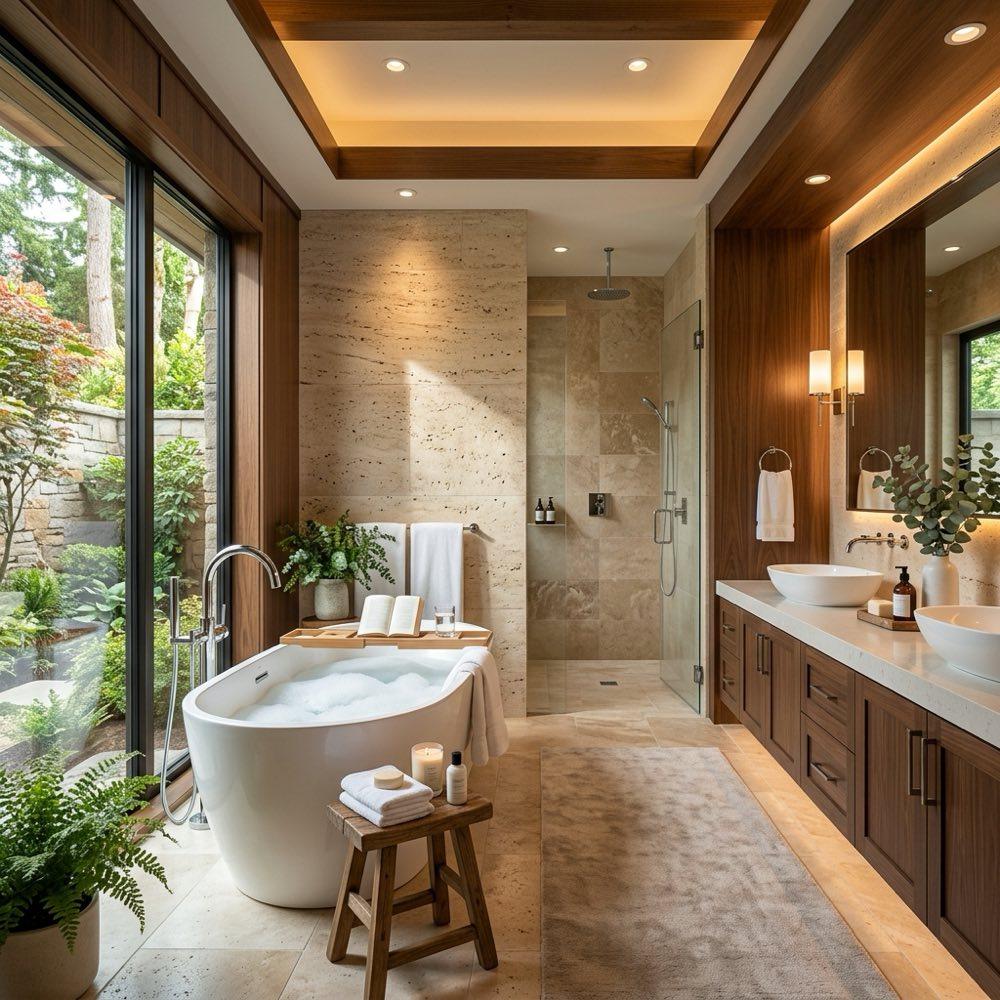
Introduction to the Spa Style Master Bathroom
Modern life is fast-paced, stressful, and demanding, making self-care and relaxation more important than ever. Homeowners are increasingly looking for ways to turn their living spaces into personal wellness sanctuaries. In master suite remodeling, designing a spa style master bathroom has become the ultimate trend for creating a quiet escape within the home. Rather than viewing the bathroom as a purely functional room for daily grooming, this approach transforms it into a luxurious retreat inspired by high-end wellness resorts. By blending natural textures, warm lighting, and luxury fixtures, you can design a space that supports mindfulness and deep relaxation.
The key to achieving this look is a thoughtful balance between clean minimalism and organic warmth. A successful spa style master bathroom should feel open, airy, and free of visual clutter. This means hiding toiletries in custom storage, choosing simple hardware, and focusing on raw materials that connect the space to nature. Natural stone, warm wood, clay plaster, and soft cotton textiles work together to create a sensory experience that calms the mind. Whether you are planning a complete renovation or updating your existing layout, these design principles will help you establish a peaceful sanctuary for your daily routines.
The Core Layout and Planning Decisions
Before selecting tiles or fixtures, you must plan a layout that supports a relaxing flow. A spa-like layout prioritizes open space and clear sightlines. If possible, avoid crowding too many elements into a small footprint. If you have the space, separating the toilet area with a frosted glass door or a half-wall keeps the main vanity and bathing zones feeling clean and serene. This separation enhances the overall sense of privacy and peace, allowing you to focus on your wellness rituals.
When planning a spa style master bathroom, think about how you will move through the space during your morning and evening routines. Position the bathtub or walk-in shower as the main focal point of the room. Placing a freestanding tub near a window allows you to enjoy natural views while soaking, which deepens your connection to the outdoor environment. Ensure there is plenty of room to walk around the tub, and keep the path to the vanity clear. This open layout creates a feeling of luxury and architectural breathing room.
Choosing the Perfect Freestanding Tub
A luxurious soaking tub is the ultimate centerpiece of any wellness-focused bathroom. Traditional built-in tubs can feel cramped and utilitarian, whereas a freestanding tub instantly elevates the room’s aesthetic. When designing your layout, select a tub made from high-quality materials like acrylic, stone resin, or copper. Stone resin tubs are particularly popular for their solid, organic feel and excellent heat retention, keeping your bath water warm for longer, relaxing soak sessions.
To stage your soaking tub, place a wooden bath caddy across the top to hold a book, a candle, or a cup of herbal tea. Beside the tub, position a low wooden stool with a stack of plush, folded towels. A floor-mounted tub filler in a matte finish, such as brushed nickel or unlacquered brass, adds a touch of modern sophistication. By setting up a dedicated bathing zone, you create a visual invitation to slow down, disconnect from your devices, and enjoy a quiet, healing soak at the end of a busy day.
Designing a Walk-In Wet Room and Shower
If you prefer showering, a walk-in wet room is a must-have feature. Modern wet room layouts combine the shower and bathtub into a single, waterproofed zone behind a seamless glass panel. This design eliminates traditional shower curbs, creating a smooth floor that makes the bathroom feel much larger. This curbless design is also excellent for aging-in-place, ensuring the space remains functional for decades. Use a curbless entry with a linear floor drain to maintain a clean, contemporary look that is both highly stylish and accessible for long-term living.
Inside the shower, focus on creating a sensory water experience. Install a large, ceiling-mounted rainfall showerhead to replicate the feeling of natural rain. Combine this with wall-mounted body sprays and a handheld wand for ultimate flexibility. For seating, build a floating bench made of teak wood or natural stone, which provides a comfortable place to sit and relax under the warm water. This combination of high-end fixtures turns your daily shower into a rejuvenating therapy session, washing away the stress of the day.
Selecting Organic Materials and Vanities
The materials you select will define the tactile experience of the space. To prevent the bathroom from feeling cold or sterile, avoid glossy white ceramic tiles on every wall. Instead, choose matte natural stone like travertine, limestone, or slate. For a seamless look, use large-format tiles with matching grout color to minimize grout lines. This creates a clean, continuous surface that feels modern and cohesive, matching the design of luxury resort spas. You can also explore plaster finishes like clay plaster or microcement, which add a velvety, hand-finished texture to the walls while maintaining a seamless look.
For the vanity, a warm wood bathroom vanity is the perfect choice for adding organic texture. White oak, walnut, and teak are excellent options that pair beautifully with light stone countertops. A floating vanity design keeps the floor visible, which makes the room look spacious and light. This floating style also allows you to slide woven storage baskets underneath to hold extra towels and items. Choose undermount sinks with clean-lined faucets, and install large, backlit circular mirrors above the vanity. The soft, indirect light from the mirrors highlights the natural wood grain, creating a beautiful and welcoming focal point.
Layering Soft Warm Lighting and Decor
Lighting is crucial for setting a relaxing, spa-like mood. Avoid harsh, recessed ceiling lights that create shadows on your face. Instead, focus on layering soft, warm light. In addition to backlit mirrors, install dimmable wall sconces on either side of the vanity. Use waterproof LED strip lights under the floating vanity and inside shower niches to create a subtle nightlight effect. You can also install a dimmable pendant light above the tub for an elegant touch. Dimmable lights allow you to adjust the brightness to match your mood, which is essential for evening relaxation.
For final staging, keep accessories minimal and high-quality. Place a tall olive tree or a potted fern in a corner to introduce biophilic green. Hang a bundle of fresh eucalyptus from your showerhead; the steam will release its soothing natural oils, filling the room with a refreshing scent. Arrange organic cotton towels, a waffle-weave linen robe, and natural sea sponges on open shelves. By carefully choosing every decor element, you create a spa style master bathroom that appeals to all your senses, supporting overall wellness.
Conclusion
Your home should be a place where you can recharge your mind and body. Designing a spa style master bathroom allows you to enjoy the benefits of a wellness retreat without leaving your house. By focusing on a spacious layout, a freestanding tub, organic stone and wood materials, and soft, layered lighting, you create a beautiful sanctuary that supports a healthy lifestyle. This thoughtful investment not only improves your daily routines and personal well-being but also adds significant long-term value to your property, making it a truly rewarding project.
To learn more about optimizing your space, explore our guide on Modern Master Bedroom Sitting Area Layouts.
For additional tips on creating a beautiful home, read our article about Luxury Master Bathroom Walk-In Shower.
If you are planning a renovation, you might also find our ideas on Spa Like Bathroom Design helpful.