
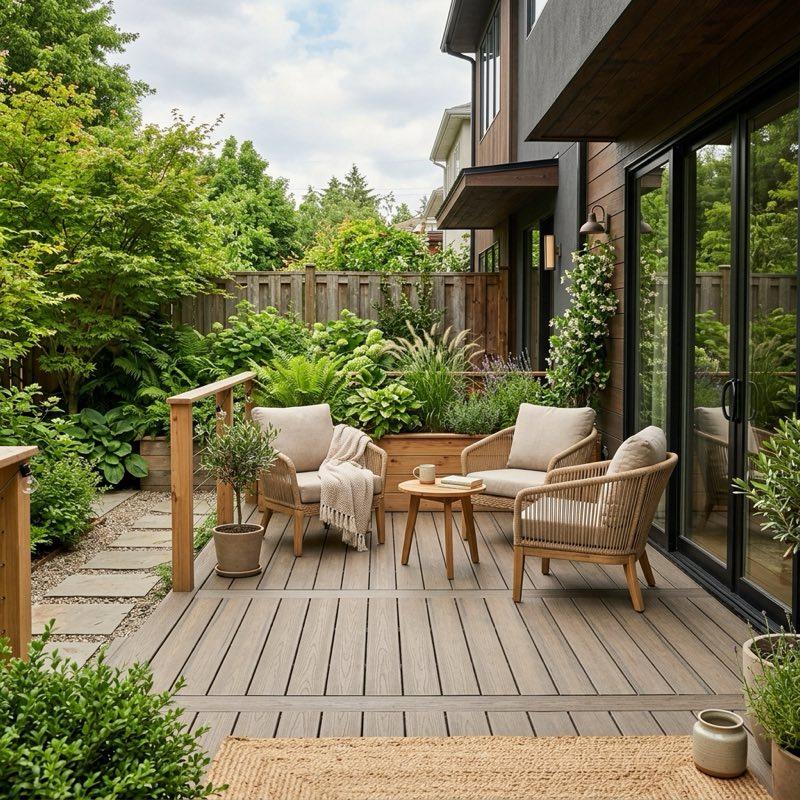
As outdoor living spaces become an extension of our homes, building a durable, beautiful deck is a top priority for many homeowners. However, traditional wood decks often rely on pressure-treated lumber that contains toxic chemicals or hardwoods harvested from endangered rainforests. Fortunately, the green building market has expanded to offer a wide array of eco friendly decking materials that combine durability, aesthetics, and environmental responsibility. These sustainable options reduce deforestation, keep waste out of landfills, and eliminate the need for toxic stains and sealants. In this comprehensive guide, we will analyze the best eco friendly decking materials, compare their durability and maintenance requirements, and detail the key installation rules for creating a green outdoor oasis.
The Environmental Cost of Traditional Decking
To understand the environmental benefits of choosing sustainable decking, it is helpful to look at the ecological footprint of conventional lumber. Most standard decks are built using pressure-treated pine, which is treated with copper-based pesticides to prevent rot and insect damage. Over time, these chemicals can leach into the surrounding soil and groundwater, posing a threat to local ecosystems. Besides, exotic hardwoods like ipe and mahogany are often logged unsustainably, contributing to the destruction of critical tropical rainforests. By choosing eco friendly decking materials, you are supporting a circular economy that utilizes recycled plastics, agricultural waste, and rapidly renewable plants, significantly reducing the carbon footprint of your home’s exterior. This is a vital step toward protecting global biodiversity.
Composite Decking: Recycled Plastics and Wood
Composite decking is one of the most popular and widely available sustainable alternatives to traditional wood. This material is made from a blend of recycled wood fibers, such as sawdust and wood shavings, and recycled plastics, including shopping bags and milk jugs. By redirecting plastic waste and timber byproducts from landfills, composite decking manufacturers create an incredibly durable, weather-resistant board. High-quality composite decks do not splinter, warp, or rot, and they require no sanding, staining, or sealing. The outer shell is engineered to resist fading, scratching, and staining, making it an excellent long-term investment that keeps plastic waste out of our oceans and landfills. Homeowners can enjoy a beautiful wood-grain look without the heavy maintenance chores of real wood. This allows you to spend more time relaxing on your deck and less time working on maintenance tasks, which is a major benefit for busy modern families. It is durable.
Bamboo Decking: Rapidly Renewable Performance
For a truly unique and natural look, bamboo decking is an outstanding rapidly renewable resource. Unlike hardwood trees that take decades to mature, bamboo is a grass that grows incredibly fast and can be harvested every three to five years. For decking, the bamboo stalks are cut, shredded, and compressed with non-toxic resins under extreme heat to create dense, heavy boards that are stronger than red oak. These boards are then treated to prevent rot and insect damage. Bamboo decking offers a clean, contemporary appearance with a distinctive grain pattern. Choosing this material provides a high-performing, beautiful surface made from one of the most sustainable and rapidly renewable plants on the planet. It is an excellent choice for modern architectural designs that prioritize green materials.
Thermally Modified Wood: Chemical-Free Durability
Thermally modified wood is another innovative option that provides the natural warmth of real timber without chemical treatments. This process involves heating domestic softwoods, like pine or ash, to extreme temperatures in a specialized oxygen-free kiln. The heat alters the chemical structure of the wood fibers, removing organic sugars and moisture that fungi and insects feed on. The result is a highly stable, rot-resistant wood with a rich, dark brown color throughout. Because it uses domestic, sustainably harvested wood and contains no toxic chemicals, thermally modified timber is fully biodegradable at the end of its life cycle, making it a very clean choice for outdoor decks. The rich color extends through the entire board, so scratches do not reveal a lighter wood underneath.
FSC-Certified Hardwoods and Aluminum Decking
FSC-certified hardwoods and aluminum decking represent additional high-quality choices for sustainable outdoor building. The Forest Stewardship Council (FSC) certifies that wood has been harvested from forests managed according to strict environmental and social standards. This ensures that the trees are logged responsibly, preserving biodiversity and protecting local communities. Aluminum decking, on the other hand, is made from a highly abundant metal that is often recycled. Aluminum boards are lightweight, structural, fireproof, and practically indestructible. They reflect heat well, staying cool in the sun, and are completely recyclable at the end of their long lifespan, making them a premium addition to the list of eco friendly decking materials. These options give homeowners flexibility in design while maintaining low ecological impact.
Comparing Eco-Friendly Decking Materials
| Material | Lifespan (Years) | Recycled Content | Maintenance Needs | Relative Cost |
|---|---|---|---|---|
| Wood-Plastic Composite | 25 – 30 years | Up to 95% | Low (wash with soap/water) | $$ (Moderate) |
| Strand-Woven Bamboo | 20 – 25 years | 0% (rapidly renewable) | Medium (annual oiling) | $$$ (High) |
| Thermally Modified Wood | 20 – 30 years | 0% (sustainably sourced) | Low-Medium (optional sealing) | $$ (Moderate) |
| FSC-Certified Hardwood | 30 – 50 years | 0% (certified forests) | Medium (annual cleaning/oil) | $$$$ (Very High) |
| Recycled Aluminum | 50+ years | Up to 100% | Low (occasional rinse) | $$$$ (Very High) |
Installation Best Practices and Fasteners
Proper installation is critical to maximizing the lifespan and performance of your sustainable deck. When working with composite and bamboo boards, you must account for thermal expansion and contraction, which can cause the boards to buckle if they are installed too tightly. Always follow the manufacturer’s guidelines for gap spacing between the ends and sides of the boards. Besides, use hidden fastening systems made from recycled stainless steel, which not only create a clean, screw-free surface but also allow the boards to expand and contract naturally. Ensure the structural joists underneath are properly spaced and protected with joist tape to prevent water accumulation and rot in the substructure. A solid foundation ensures your deck remains safe and level for decades.
Understanding Maintenance and Life Cycle Costs
Understanding the long-term maintenance and life cycle costs of your chosen deck is essential for making an informed decision. While some eco friendly decking materials have a higher initial cost than cheap pressure-treated wood, they often save money over time. Standard wood decks require cleaning, sanding, and staining every two to three years, which costs hundreds of dollars in materials and hours of labor. In contrast, composite, aluminum, and thermally modified decks require only occasional washing with soap and water to maintain their appearance. Over a twenty-year period, the savings on maintenance products and labor easily offset the higher initial investment, making sustainable decking a highly cost-effective choice. It is a smart financial move that also protects our planet.
Looking ahead, selecting the right eco friendly decking materials is a highly rewarding decision that enhances your home’s outdoor living experience while protecting the environment. Whether you choose the durability of recycled composites, the rapid renewability of bamboo, or the natural beauty of thermally modified wood, you are building a structure that supports a healthier planet. Focus on proper installation spacing, use high-quality hidden fasteners, and enjoy the low-maintenance benefits of these advanced materials. By investing in sustainable building practices, you can create a beautiful, durable outdoor sanctuary that you and your family will enjoy for many years to come. This outdoor space will bring long-lasting comfort and pride.
To learn more about optimizing your space, explore our guide on Sustainable Geothermal Heating and Cooling.
For additional tips on creating a beautiful home, read our article about Sustainable Solar Power Home Battery Storage.
If you are planning a renovation, you might also find our ideas on Rainwater Harvesting System for Home helpful.
To discover more sustainable choices, check out our tips on Upcycled Home Decor Ideas.
Enhance your living space further by exploring our recommendations for Best Eco Friendly Laundry Detergent Sheets.