
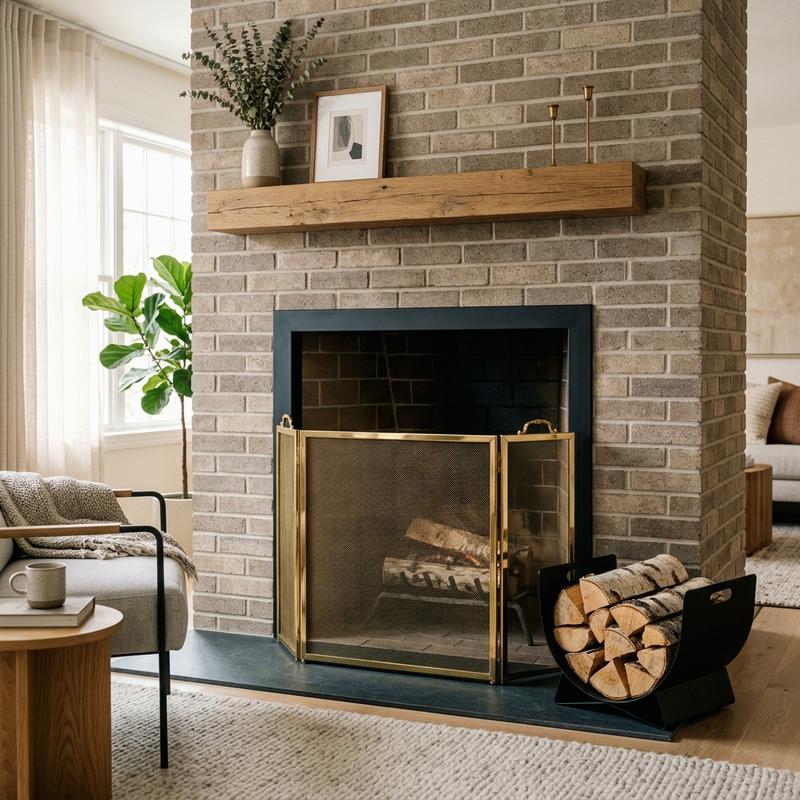
As a home restoration consultant who has spent years breathing new life into older houses, I have seen firsthand how a fireplace can serve as the heart of a home. Yet, neglecting fireplace and chimney cleaning can lead to hazardous creosote buildup, smoke damage, and poor air quality. Our team at HomeTunez spent the winter testing various hearth maintenance methods to identify what truly keeps your wood-burning setup safe and efficient. Keeping your fireplace clean ensures your family enjoys warm, cozy evenings without safety risks. Let us dive into the best chimney maintenance practices.
1. Understanding Creosote and Why It Matters
Creosote is a highly flammable, dark tarry substance that deposits on chimney walls during wood combustion. When wood burns, volatile gases are released, cooling as they rise and condensing on the cold interior of your flue. Over time, these layers thicken and harden, creating a severe fire hazard that can ignite from a single stray spark. Regularly checking the thickness of this buildup tells you when it is time to grab a brush.
To reduce creosote buildup, burn only seasoned hardwood like oak or maple, which contains less moisture than softwoods. Dry wood burns hotter and cleaner, releasing fewer unburned particles into your flue. When you want to monitor your home environment, incorporating smart sensors can provide real-time updates. If you are setting up smart devices, learn more about smart home protocols Zigbee, Z-Wave, and Wi-Fi to ensure your smoke alarms and hearth sensors communicate reliably.
2. Essential Tools for DIY Chimney Sweeping
If you plan to clean your chimney yourself, having the correct equipment is necessary for a safe and effective job. You will need a heavy-duty chimney brush matching your flue’s shape and diameter, along with flexible fiberglass extension rods. For protecting your living space from soot, lay down a large canvas drop cloth and use a powerful vacuum like the Dyson V15 Detect to capture fine ash. Wearing a high-quality respirator mask, safety goggles, and thick gloves will protect you from inhaling toxic dust particles during the process.
Start by sealing the fireplace opening with plastic sheeting and duct tape, leaving just enough room to slide your brush in. This step prevents fine soot from floating into your room and settling on your furniture. Soot is notorious for staining fabrics and rugs, which can be incredibly frustrating to wash. When you need to wash dirty cleaning rags covered in black ash, we recommend using the best eco-friendly laundry detergent sheets to lift stubborn carbon stains naturally.
3. Step-by-Step Fireplace and Flue Cleaning Process
Begin the physical cleaning by removing the wood grate and shoveling out cold ash into a metal bucket. Next, inspect the damper to ensure it moves freely and is clear of soot deposits. Attach the chimney brush to the first extension rod, insert it into the flue, and vigorously scrub the walls using an up-and-down motion. Add rods as you push the brush higher toward the chimney cap, making sure to scrape away all visible crusty deposits.
Once the flue is clean, shine a flashlight up the chimney to inspect for cracked tiles or damaged mortar joints. If you notice structural cracks, call a certified sweep immediately to prevent carbon monoxide leaks. To keep a close watch on your fireplace area and overall living space safety, consider installing smart cameras. For top-tier safety tracking, read our guide on the best smart indoor security cameras for home to monitor your hearth remotely.
4. Polishing the Firebox and Hearth Surround
With the chimney flue clear, focus on cleaning the firebox walls and the brick surround. Use a stiff wire brush to scrape off soot from the firebrick, then apply a paste of baking soda and warm water to dissolve stubborn stains. For stone or granite hearths, a gentle spray like Method Granite Cleaner lifts grease without scratching the surface. Clean glass doors with a specialty glass cleaner or a damp newspaper dipped in clean wood ash, which acts as a gentle abrasive.
After scrubbing, wipe down the mantel and apply a protective coat of Minwax wood finish to restore its natural luster. A clean, styled fireplace acts as a beautiful focal point that draws people together in the room. As you update your home’s central gathering space, look for creative layout ideas that maximize comfort. You can find inspiration in our guide to budget-friendly modern living room decor ideas to style your mantel beautifully.
5. Annual Inspections and Professional Services
While DIY cleaning is excellent for routine maintenance, a professional inspection is recommended at least once a year. Certified sweeps have specialized cameras to inspect the entire chimney interior, identifying hidden blockages, bird nests, or flue lining decay. They can also check the exterior chimney crown and flashing for water leaks that could rot your home’s framing. These preventive measures protect your property investment and keep your family safe during cold winter months.
Hearth safety is part of a larger plan to create a healthy, low-emission home environment. From the materials you burn to the fabrics you choose for your home, sustainability matters. If you are interested in creating a healthy living space from the ground up, check out our tips on sustainable bedroom design ideas for a non-toxic sleep environment. Balancing functional safety with green design ensures your entire home feels like a true sanctuary.
Frequently Asked Questions
How often should I clean my chimney?
We recommend cleaning your chimney at least once a year, or after burning about one cord of wood. If you notice a smoky smell in the room or see more than 1/8 inch of creosote buildup inside the flue, schedule a cleaning immediately.
Can I use creosote sweeping logs instead of manual brushing?
Creosote sweeping logs contain chemicals that help loosen crusty deposits, making them flake off and fall into the firebox. They do not replace manual brushing, as they cannot remove all soot, and they will not clear blockages like bird nests.
Why is my fireplace smoking when I light a fire?
A smoking fireplace is usually caused by a closed damper, a cold flue that needs priming, or a blockage in the chimney. Open the damper completely and hold a lit roll of newspaper up the flue to warm the air column before starting your fire.
To learn more about optimizing your space, explore our guide on Smart Home Tech for Seniors.
For additional tips on creating a beautiful home, read our article about Non-Slip Flooring Solutions.
If you are planning a renovation, you might also find our ideas on Wheelchair Accessible Bathroom Design helpful.