
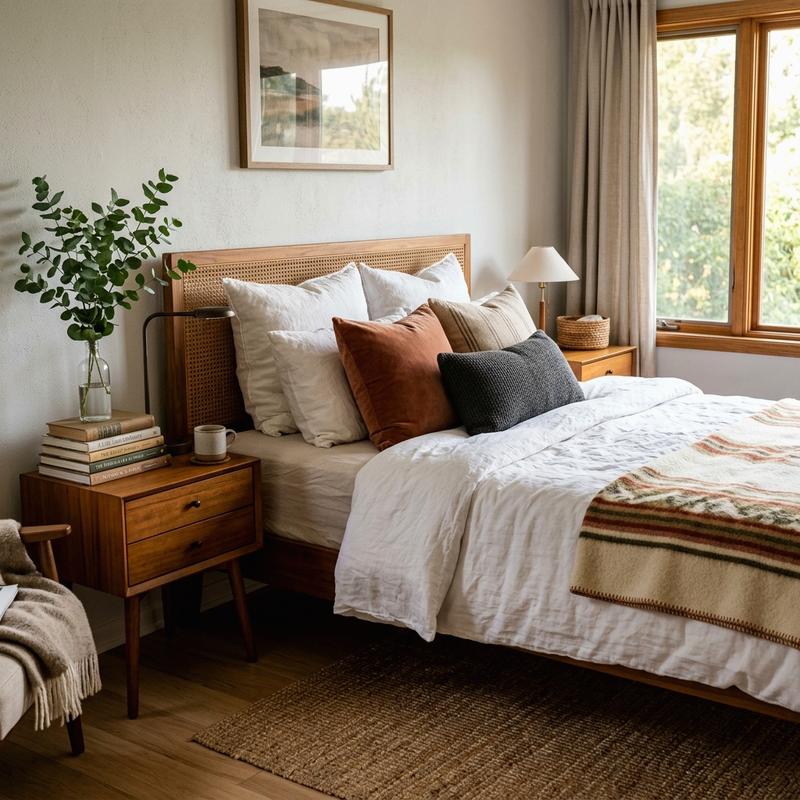
No-Cost Home Refresh Tips: Spatial Realignment, Layering, and Styling What You Already Own
Our team at HomeTunez often meets clients who feel their homes have become stagnant, cluttered, or uninspiring. The common impulse in this situation is to go shopping, purchasing new furniture and decor to solve the styling fatigue. However, we believe that the most powerful design transformations do not cost a single cent. A home can be completely revitalized by reassessing what is already inside its walls. By editing, realigning, and layering your existing possessions, you can unlock a fresh perspective. This approach focuses on curating rather than consuming, creating a more personal and meaningful home.
In my interior architecture practice, I always emphasize that space planning is the foundation of design, and layout dictates how we feel. Simply moving a sofa, rotating an armchair, or shifting a rug can dramatically alter the flow, light, and energy of a room. Realignment allows you to highlight architectural focal points, such as fireplaces or large windows, that were previously blocked by awkward layouts. When you strip a room down to its bones and rebuild it using existing items, you see their potential in a new light. This design method prioritizes functional ergonomics and visual balance, ensuring your home functions beautifully.
In my budget design and styling practice, I have seen firsthand how editing and styling what you already own can produce designer-level results. Most homes suffer from an accumulation of visual noise rather than a lack of beautiful things. Grouping scattered items, styling built-in shelves with care, and layering textiles you already own can create a stunning transformation. The goal is to create moments of rest and visual focus by organizing clutter and curating displays. With a few simple spatial guidelines, you can turn a disorganized, tired interior into a clean, sophisticated, and cohesive space without spending any money.
When applying these editing techniques to your sleeping quarters, you can refer to sustainable bedroom design ideas to guide your selection of natural materials, textiles, and layouts. Realignment here focuses on creating a peaceful, clutter-free rest sanctuary using what you already own. By rotating rugs, rearranging pillows, and decluttering surfaces, you can improve your bedroom’s comfort and flow. A quiet, visually clean sleeping environment supports better sleep and enhances your overall well-being. Using these design principles ensures that your personal sanctuary remains healthy, cozy, and restorative.
Material Science and Durability of Existing Surfaces
A successful no-cost home refresh depends heavily on caring for and restoring the materials you already own. Dust, dirt, and wear can dull even the most beautiful wood, fabric, and painted surfaces. To make your existing furniture shine like new, you must use proper care techniques. For all wood surfaces, such as dining tables, sideboards, and hardwood floors, using premium wood cleaners from Bona removes dirt and restores the original luster. Protecting your wood with their specialized polish prevents scratches and maintains the wood’s structural integrity, ensuring your hardwood pieces remain durable for decades.
If you have leftover cans of premium paint stored in your garage, a no-cost refresh is the perfect time to use them for small touch-ups. Applying leftover eggshell or chalky paints from Farrow & Ball to worn baseboards, doors, or furniture frames can instantly make a room feel crisp. Their rich, flat pigments provide excellent coverage and cover scuffs, making tired surfaces look professional. Because their paints are low-VOC and water-based, they are safe to use indoors without creating fumes, allowing you to refresh your wainscoting and cabinets safely while preserving your home’s air quality.
Keeping your existing wainscoting, glass windows, and metal fixtures clean is crucial for a bright, fresh look. Fingerprints and dust can make even a well-arranged room feel dingy. We recommend cleaning these surfaces with gentle, plant-derived products from Method. Their biodegradable cleaners dissolve grease on glass and wood tables without leaving chemical residues or dulling the natural sheen. Using eco-friendly sprays ensures that your family rests in a clean, non-toxic environment, proving that proper cleaning is a fundamental part of styling and maintaining the durability of your home’s surfaces.
Reorganizing and rotating your soft furnishings can protect them from uneven wear and extend their lifespan. If your sofa cushions or throw pillows are upholstered in performance fabrics from Crypton, a simple spot clean and rotation will make them look brand new. Their advanced stain-resistant technology prevents spills from soaking into the core, meaning a gentle wipe is all it takes to refresh the textile. For outdoor chairs or sunroom benches, rotating cushions wrapped in solution-dyed acrylics from Sunbrella prevents sun fading on one side, ensuring the fabric retains its color and strength against moisture and weathering.
Refreshing your home also means deep cleaning your existing fabrics, linens, and slipcovers to restore their original softness. Washing these textiles with the best eco-friendly laundry detergent sheets lifts trapped dust and odors, ensuring your rotated pillows and blankets feel fresh and clean without introducing chemical perfumes into your home. This practice protects delicate natural fibers, helping them last longer. Combining proper fabric washing with regular furniture polishing creates a healthy, beautiful home where every existing material is cared for, showing that maintenance is key to sustainable styling.
Built-In Integrations and Space Optimization
Optimizing your home’s layout during a no-cost refresh is an excellent opportunity to make your built-in storage work harder. Built-in bookshelves and media consoles often become cluttered with random papers, cords, and unstyled accessories. By clearing these shelves completely and styling them with intent, you can create a clean, balanced look. Group books together by color or size, and display them both vertically and horizontally. This variety adds visual interest. Interspersing books with existing decorative objects, like ceramic bowls or framed art, creates a curated, high-end gallery feel that elevates the room.
If you are reorganizing a high-traffic entry zone or a family workspace, ensure that your existing tech layout is optimized. Placing the best smart indoor security cameras for home in unobtrusive locations allows you to monitor the space without disrupting the visual flow of your newly arranged styling layers. Concealing cords behind console legs or inside decorative baskets keeps the space looking clean. This planning ensures that your security setup remains functional while supporting the clean, modern aesthetic of your entry, showing how existing technology can be integrated into your home’s layout.
A spatial realignment is also the perfect time to audit and streamline your automated devices. Grouping your smart lighting and plugs under common smart home protocols (Zigbee, Z-Wave, Wi-Fi) ensures that your existing automated scenes run smoothly without cluttering your tables with extra hubs. For instance, you can move a smart plug from a rarely used room to control a living room table lamp, automating your evening lighting schedule. This realignment optimizes your smart home setup without requiring new purchases, demonstrating how smart spatial planning and tech integration can work together to enhance daily convenience.
Rearranging furniture to improve traffic flow is another key aspect of space optimization. Ensure that there is a clear pathway at least 36 inches wide through high-traffic corridors, such as from the entryway to the kitchen. Avoid blocking heat vents, doorways, or natural light sources with large furniture pieces. Shifting a bulky armchair away from a window allows more daylight to enter, instantly making the room feel brighter and more spacious. This zero-cost layout adjustment improves the physical comfort of your home, making it feel more open, functional, and organized.
Finally, consider grouping collections together to make a stronger design statement. Instead of scattering small family photos or art pieces across different walls, group them into a single, cohesive gallery wall. Use existing frames of similar wood tones or black finishes to create a unified display. This clustering technique turns individual, overlooked items into a striking, intentional focal point. Styling your walls with what you already own adds personal history and warmth to your decor, proving that the most beautiful styling elements are the ones that carry personal meaning.
Comparing Spatial Realignment Solutions
To help you decide which no-cost styling updates will have the biggest impact on your home, our team has compiled a detailed comparison of popular spatial realignment methods. Each option offers unique benefits, difficulty levels, and durability considerations based on your room size and layout. Rearranging your layout and styling layers ensures that your rooms feel fresh, balanced, and functional without requiring a financial investment. The following table compares five popular zero-cost refresh techniques to guide your next weekend home makeover project.
| Refresh Method | Financial Cost | Difficulty & Time | Visual Impact | Best Surface/Zone | Key Design Strategy |
|---|---|---|---|---|---|
| Furniture Rotation | $0 | Medium (2-3 Hours) | Very High | Living Room / Bedroom | Define clear pathways and float seating |
| Shelf Styling Edit | $0 | Easy (1-2 Hours) | High | Built-in Bookcases | Group books by scale and add art layers |
| Art and Mirror Swap | $0 | Easy (1-2 Hours) | Very High | Entryway / Fireplace Mantels | Reflect natural light and create focal points |
| Lighting Realignment | $0 | Easy (1 Hour) | High | Seating Nooks / Side Tables | Move lamps to dark corners for warmth |
| Textile Layering Edit | $0 | Easy (1 Hour) | Medium | Sofas / Beds / Benches | Mix textures and rotate existing throws |
Selecting the right realignment method depends on your room’s current flow and styling challenges. For instance, furniture rotation offers the most dramatic spatial transformation for open layouts, while styling built-in shelves provides immediate decorative refinement. By caring for your existing surfaces and textiles with high-quality cleaning products, you ensure that these rearranged configurations look professional, polished, and fresh. In the following section, we provide a comprehensive step-by-step guide to executing a spatial realignment and styling edit in your main living room, helping you create a beautiful focal point using only what you already own. With the right planning and traffic measurements, this simple process yields stunning, designer-level results.
Step-by-Step DIY Implementation Guide
Executing a successful living room refresh using only your existing furnishings is a structured process that requires planning and muscle. Instead of moving items randomly, you should follow a systematic layout strategy to maximize traffic flow and light. This step-by-step guide walks you through the entire process of clearing the room, defining a focal point, arranging large furniture, styling surfaces, and layering lighting. By following these clear phases, you will transform your living room into a balanced, inviting space that feels brand new without spending a single dollar.
This zero-cost realignment strategy works hand-in-hand with larger styling plans. You can integrate these steps with budget-friendly modern living room decor ideas to maximize the visual impact of your furniture arrangements, creating a balanced, modern living room that looks professionally designed. Let’s look at the steps required to achieve this designer look.
Step 1: Emptying and Resetting the Space
Begin by removing all small decorative items, throw pillows, blankets, and table accessories from the room, placing them in a separate area. This temporary clearing allows you to see the room’s architecture without the distraction of clutter. Sweep the floor and vacuum the carpets, using wood cleaners from Bona to restore the shine of your hardwood boards. Clean the wainscoting and baseboards with Method spray to ensure your starting canvas is spotless. Having a clean, empty space makes it much easier to visualize new layout possibilities.
Step 2: Defining the Primary Focal Point
Identify the room’s main feature, such as a fireplace, a media wall, or a large bay window with a beautiful view. Your seating arrangement should always support and highlight this focal point. If your sofa is currently pushed against a far wall, try floating it in the center of the room, facing the focal point. Floating furniture creates a more intimate seating zone and improves traffic flow around the perimeter of the room. Ensure the layout remains balanced by checking that large pieces are distributed evenly.
Step 3: Positioning Seating and Large Furniture
Arrange your primary sofa and armchairs around the focal point, leaving at least 18 inches between the seating and your coffee table. Place your largest rug underneath the front legs of all seating pieces to anchor the zone. If you have secondary chairs in other rooms, try bringing them in to create a conversational grouping. Avoid blocking doorways and window light with tall furniture. Walk through the room to verify that traffic paths are clear, ensuring a comfortable transition between different areas.
Step 4: Curating and Layering Surface Decor
Now, bring back your edited collection of decorative items, books, and plants. Group items on your coffee table using the rule of three: place a stack of design books, a ceramic bowl, and a small potted plant together. Style your fireplace mantel by placing a large mirror or artwork in the center, overlapping it slightly with smaller framed photos or candlesticks on the side. This layering technique creates depth and vertical interest. Only display items that bring you joy, keeping surfaces clutter-free.
Step 5: Rearranging Lighting and Soft Textiles
Finally, adjust your lighting to create a warm, cozy atmosphere. Move table lamps and floor lamps to dark corners to eliminate harsh shadows, creating a layered lighting scheme. Arrange your existing throw pillows and blankets on the sofa, mixing textures like linen, velvet, and knit to add visual warmth. Ensure your cushions are clean and rotated to look fresh. Step back and assess the room from different angles, adjusting small details until the space feels balanced, welcoming, and complete.
Frequently Asked Questions
How do I start a no-cost room refresh if I feel overwhelmed?
The best way to start is by clearing out all small decorative items, textiles, and clutter from the space. This process resets your mind and allows you to see the room’s physical layout clearly. Focus on the largest furniture piece first, experimenting with its placement relative to the room’s focal point. Once the main layout is settled, you can slowly introduce your styled decorative layers, making the process feel manageable and highly rewarding.
What is “floating furniture” and how does it help a room layout?
Floating furniture refers to pulling seating pieces, like sofas and armchairs, away from the walls and positioning them in the center of the room. This layout technique creates a more intimate, cozy conversational grouping and improves traffic flow. It prevents the room from feeling like a waiting room and makes the space look larger by revealing more wall space, instantly elevating the overall design aesthetic of your home.
How do I style a bookshelf without buying new decor?
Style bookshelves by clearing them completely and sorting books by height or color. Arrange some books vertically and others horizontally to create visual variety. Use heavy books as bases to elevate small decorative items, such as mugs, bowls, or framed photos you already own. Leave some empty space on each shelf to give the eye a place to rest, preventing the bookcase from looking cluttered and ensuring a balanced, modern look.
Can I refresh my walls without buying new paint?
You can refresh walls by rearranging existing art frames and mirrors. Swap art pieces between different rooms to give them a fresh context. Group smaller frames together to create a gallery wall, using matching frame colors or wood tones to unify the display. You can also rehang mirrors to reflect natural light from windows, which brightens dark walls and makes cramped corridors feel more open and spacious without spending a dime.
How do I deep clean and protect existing wood furniture?
Clean wood furniture by wiping away dust with a dry cloth. Use a specialized wood cleaner and polish from Bona to remove greasy build-up and restore the wood’s natural sheen. Apply the cleaner in the direction of the wood grain to prevent streaking. Regular polishing protects the wood from moisture and light scratches, keeping your existing dining tables and consoles looking brand new and preserving their structural durability for many years.
How can I refresh my existing sofa cushions and throw pillows?
Refresh cushions by removing the covers and washing them according to the care label. For fabrics like Crypton, spot clean any stains with mild soap. Vacuum the cushion cores to remove dust, and place them in the sun for an hour to fluff them naturally. Rotate and swap throw pillows between your living room and bedroom to create new color schemes, instantly changing the room’s cozy feel at no cost.
What is the rule of three in interior styling?
The rule of three is a styling guideline suggesting that items arranged in odd numbers are more visually appealing and memorable. When styling coffee tables, mantels, or consoles, group three items of varying heights, shapes, and textures together. For example, pair a tall vase, a medium stack of books, and a low ceramic tray. This arrangement creates a balanced, organic vignette that looks intentional and professionally styled without buying new decor.
How do I make a dark room feel brighter for free?
Brighten a room by maximizing natural light. Clean your windows inside and out with a plant-derived cleaner from Method to allow more daylight to enter. Rearrange furniture to ensure tall pieces do not block windows. Hang a mirror opposite or adjacent to a window to reflect light deeper into the space. You can also move table lamps from unused corners to active seating zones, creating a cozy and bright environment.
How do I integrate smart home devices into a rearranged room?
When rearranging your layout, group smart plugs and bulbs under common smart home protocols, like Zigbee or Wi-Fi, to ensure reliable connection. Route power cords along furniture legs and hide them behind cabinets to keep the space looking clean. You can move smart plugs to control reading lamps or smart sensors to monitor entryways, optimizing your existing technology setup to support your new layout without buying extra hubs or devices.
How do I keep my rotated table linens and blankets fresh?
Keep rotated fabrics fresh by washing them before storing or displaying them. Use eco-friendly laundry detergent sheets to lift odors and dust without leaving chemical residue. Store extra blankets in breathable baskets rather than plastic bags to prevent musty smells. Rotating your linens and blankets throughout the seasons keeps your decor feeling fresh, cozy, and clean, while ensuring your fabrics remain soft, durable, and ready for use.
Design Summary
A no-cost home refresh is a powerful design strategy to transform your living spaces by editing, realigning, and styling what you already own. By focusing on spatial planning, traffic flow, and lighting layers, you can make your home feel more open, balanced, and comfortable without spending any money. Sourcing quality care products to clean and protect your existing wood, fabrics, and wainscoting ensures that your refreshed layout looks polished, professional, and fresh. This process proves that excellent design is about curation, care, and creativity, rather than buying new decor.
Integrating your existing smart home systems and decorative accessories into a well-planned layout helps optimize your footprint and improves daily functionality. Swapping art, rotating textiles, and deep cleaning surfaces brings new energy to tired rooms, making your entire home feel cohesive and personal. Combining these simple, zero-cost styling techniques with standard design guidelines helps you achieve a high-end designer look that reflects your unique lifestyle. By investing your time and effort, you can create a beautiful, eco-friendly, and highly functional home sanctuary that feels completely refreshed and inspiring.
To learn more about optimizing your space, explore our guide on Smart Home Tech for Seniors.
For additional tips on creating a beautiful home, read our article about Non-Slip Flooring Solutions.