
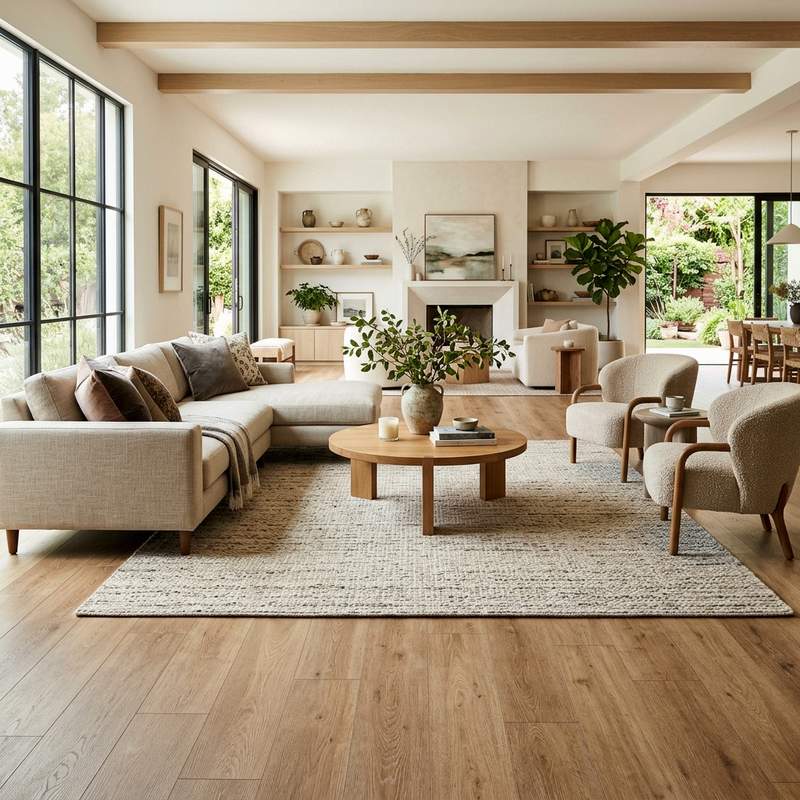
Flooring is the foundational surface of every residential environment, dictating both the aesthetic character of a home and the physical safety of its occupants. Slips, trips, and falls represent the leading cause of accidental home injuries among older adults, with hard, glossy floor surfaces posing a constant hazard. In our interior design practice, we have specified high-performance residential surfaces for hundreds of multi-generational homes. We have seen firsthand that choosing slip-resistant flooring does not mean settling for institutional rubber or institutional mats. Today’s advanced surface manufacturing technologies produce textured, luxury floorings that replicate raw hardwood and natural slate while delivering exceptional non-slip friction under wet and dry conditions. In this comprehensive guide, we will explore the best Non-Slip Flooring Solutions, detailing five safe materials for seniors and families to protect your loved ones without compromising designer style.
The Physics of Floor Traction: Understanding DCOF Ratings
In architectural material specification, floor safety is measured using scientific friction standards. The primary industry benchmark for evaluating slip resistance on hard flooring is the Dynamic Coefficient of Friction (DCOF), governed by the ANSI A137.1 and ANSI A326.3 test standards. DCOF measures the friction force between a standard rubber shoe sole and a wet floor surface during motion. Hard flooring surfaces installed in areas prone to wetness must achieve a minimum wet DCOF rating of 0.42 to be classified as slip-resistant.
Surface texture, finish sheen, and joint density directly influence floor safety. Ultra-glossy polished marble or smooth glazed ceramic tiles create a dangerous hydroplaning effect when water is present. Conversely, matte-finished porcelain, wire-brushed hardwood, and embossed luxury vinyl planks break up liquid surface tension, providing vital shoe grip. Furthermore, in tiled areas, smaller tile formats create higher grout line density, which significantly increases foot traction compared to large smooth slabs.
Additionally, subfloor cushioning and impact absorption play a vital role in senior home safety. While fall prevention is the primary goal, floor forgiveness is equally important if a fall occurs. Hard concrete or unpadded ceramic tile can cause severe joint strain and bone fractures during an impact. Specifying cushioned luxury vinyl plank with integrated acoustic cork underlayment or installing low-pile wool carpeting provides physical shock absorption, reducing impact injuries and minimizing joint fatigue during daily walking.
5 Safe Flooring Materials for Seniors & Families
1. Textured Embossed-in-Register Luxury Vinyl Plank (LVP)
Luxury Vinyl Plank (LVP) has emerged as the premier residential flooring choice for accessible, age-in-place home design. Modern high-end LVP features Embossed-in-Register (EIR) technology, where the surface texture precisely mirrors the visual wood grain printed underneath. This deep, tactile wood texture provides exceptional slip resistance while recreating the warm, authentic look of natural oak and walnut.
Select rigid core LVP options like COREtec Plus HD or Mannington Adura Max, which feature a 20-mil commercial wear layer and an integrated cork underlayment. Cork provides thermal insulation, sound dampening, and comfortable foot cushioning. LVP is 100% waterproof, allowing it to be installed seamlessly across kitchens, living rooms, and entryways, creating a unified, flush floor plane without tripping thresholds.
2. Matte Porcelain Tile with High DCOF Rating
For wet areas like bathrooms, laundries, and entry mudrooms, porcelain tile remains a durable, timeless choice. However, polished or glossy tiles become extremely slippery when wet. Specifying matte-finish porcelain tiles engineered with micro-textured glaze technology guarantees maximum slip resistance without sacrificing elegance.
Choose matte porcelain collections like the Daltile StepWise Collection, which features patent-pending surface technology delivering a wet DCOF rating exceeding 0.60—far above the standard 0.42 safety threshold. Opt for smaller tile formats, such as two-by-two-inch mosaic floor tiles in shower pans, or rectangular matte subway tiles. The frequent grout lines between smaller tiles create natural traction grooves that grip wet feet securely.
3. Slip-Resistant Sheet Vinyl with Seamless Installation
In bathrooms and utility spaces where water spills are frequent, traditional tile grout lines can collect dirt, moisture, and mold, making maintenance difficult. High-performance cushioned sheet vinyl offers a completely seamless, water-impermeable flooring solution that eliminates grout maintenance while providing a continuous non-slip surface.
Modern residential sheet vinyl from manufacturers like Karndean Designflooring features textured slip-resistant wear layers and foam backing. Because sheet vinyl comes in wide rolls, it can be installed with zero seams across an entire bathroom floor. Furthermore, the sheet can be flash-coved six inches up the wall baseboard, creating a watertight, bathtub-like floor basin that prevents water leakage into subfloors.
4. Low-Pile Commercial Wool Carpeting with Firm Underlayment
For bedrooms and living rooms where warmth, quiet, and cozy comfort are prioritized, low-pile carpeting remains an excellent non-slip option. Carpeting eliminates glare, absorbs ambient noise, and provides soft impact cushioning. However, thick plush shag carpets present tripping hazards and make rolling wheelchairs or walkers difficult.
Specify dense, low-pile wool carpeting with a tight loop construction, such as level loop or berber styles from Shaw Floors. Keep the carpet pile height under three-eighths of an inch, and pair it with a dense, non-spongy rubber underlayment pad. Firm underlayment prevents the carpet from bunching or shifting underfoot, allowing mobility equipment to roll smoothly while offering soft fall protection.
5. Wire-Brushed Engineered Hardwood with Matte UV Finish
Homeowners who desire the authentic luxury and value of real wood flooring can achieve exceptional safety by selecting wire-brushed engineered hardwood. Smooth, high-gloss polyurethane hardwood finishes can feel slick under socks. Wire-brushing pulls the soft grain out of the wood surface, leaving a textured, durable oak or hickory grain pattern that provides natural traction.
Select wire-brushed engineered hardwood coated with a low-sheen matte UV oil finish. Matte finishes eliminate blinding light reflection and glare—which can disorient seniors with cataracts or visual impairment—while concealing scratches. Installing wide-plank engineered hardwood with square edges establishes a smooth, level floor plane across living spaces and master bedrooms.
Flooring Material Safety & Performance Comparison
| Flooring Material | Wet DCOF Rating | Water Resistance | Impact Cushioning | Recommended Model / Series |
|---|---|---|---|---|
| Embossed LVP | High (> 0.50 wet) | 100% Waterproof | Medium (Integrated Cork Pad) | COREtec Plus HD Rigid Core |
| Matte Porcelain Tile | Very High (> 0.60 wet) | 100% Waterproof | Low (Rigid Concrete Surface) | Daltile StepWise Matte Tile |
| Cushioned Sheet Vinyl | High (> 0.55 wet) | 100% Waterproof (Seamless) | High (Foam Core Backing) | Karndean Slip-Resistant Sheet |
| Low-Pile Wool Carpet | N/A (Fiber Surface) | Low (Moisture Sensitive) | Very High (Soft Fiber Pad) | Shaw Commercial Low-Loop Carpet |
A Step-by-Step Guide to Flooring Transition Installation
Creating safe flooring transitions between different rooms requires precise installation techniques. First, measure subfloor heights across adjacent rooms to verify that new materials will meet flush without raised lip edges. Second, where height differences exist, install low-slope reducers or flush T-molding transition strips that slope gradually at less than 1:12 slope ratio. Third, avoid using raised wooden saddles or metal threshold bars higher than one-quarter inch, as these create immediate tripping hazards for seniors. Finally, secure all transition strips tightly to the subfloor with construction adhesive and screws, ensuring they will never shift or catch shoe toes. Following these steps guarantees safe, smooth movement throughout the entire home.
Once flooring installation is complete, clean surfaces thoroughly with manufacturer-recommended non-film cleaners. Avoid applying high-gloss waxes or silicone sprays, which compromise built-in non-slip textures. By pairing high-DCOF materials with flush threshold construction, you establish a resilient foundation that protects family members from slips and falls.
Frequently Asked Questions
1. What does DCOF mean in flooring specifications?
DCOF stands for Dynamic Coefficient of Friction. It is a scientific measurement of slip resistance on wet or dry floors. According to ANSI standards, hard flooring installed in wet areas should have a wet DCOF rating of 0.42 or higher for safety.
2. Is Luxury Vinyl Plank (LVP) less slippery than hardwood?
Yes, textured Embossed-in-Register (EIR) Luxury Vinyl Plank generally provides superior slip resistance compared to smooth-finished traditional hardwood, especially when wet, while being 100% waterproof.
3. Why are high-gloss tile floors dangerous for seniors?
High-gloss tiles have a smooth surface that creates a hydroplaning layer when water or moisture is present. This dramatically drops friction, creating a slick surface that significantly increases fall risks.
4. How do grout lines increase slip resistance in tile floors?
Grout lines create small physical grooves across the floor surface. Small format mosaic tiles increase grout line density, which channels water away and gives shoe soles and bare feet extra traction points.
5. What type of carpet is safe for seniors using a walker?
Low-pile, tight-loop commercial carpeting with a pile height under three-eighths of an inch paired with a firm pad is safest. It provides traction and soft cushioning without catching walker tips or causing wheels to drag.
6. Can rug pads prevent area rugs from slipping?
Yes, installing high-quality natural rubber and felt rug pads under area rugs is essential. Rubber backing grips the hard subfloor while felt secures the rug, preventing hazardous rug sliding and bunched edges.
7. What cleaning products preserve non-slip floor textures?
Use neutral pH floor cleaners that leave zero film residue. Avoid cleaning products containing acrylic waxes, oils, or silicone polish, which coat textured surfaces and create a dangerous slick film.
8. Is cork flooring a good non-slip option for bedrooms?
Yes, natural cork flooring offers excellent natural traction, warmth, and impact absorption. However, cork must be sealed with a matte polyurethane finish to protect it from moisture damage.
9. How do flush floor transitions reduce fall risks?
Flush transitions eliminate raised thresholds between rooms, creating a continuous floor plane. This prevents shoe toes and walker wheels from catching on raised edges, significantly reducing trip hazards.
10. What is the benefit of matte floor finishes for visual impairment?
Matte finishes eliminate harsh light reflection and glare from windows and overhead lighting. Excessive floor glare can disorient seniors with cataracts or visual impairment, causing depth perception errors.
To learn more about optimizing your space, explore our guide on Smart Home Tech for Seniors.
For additional tips on creating a beautiful home, read our article about Wheelchair Accessible Bathroom Design.
If you are planning a renovation, you might also find our ideas on Grab Bars and Safety Features helpful.
To discover more sustainable choices, check out our tips on Aging in Place Home Modifications.