
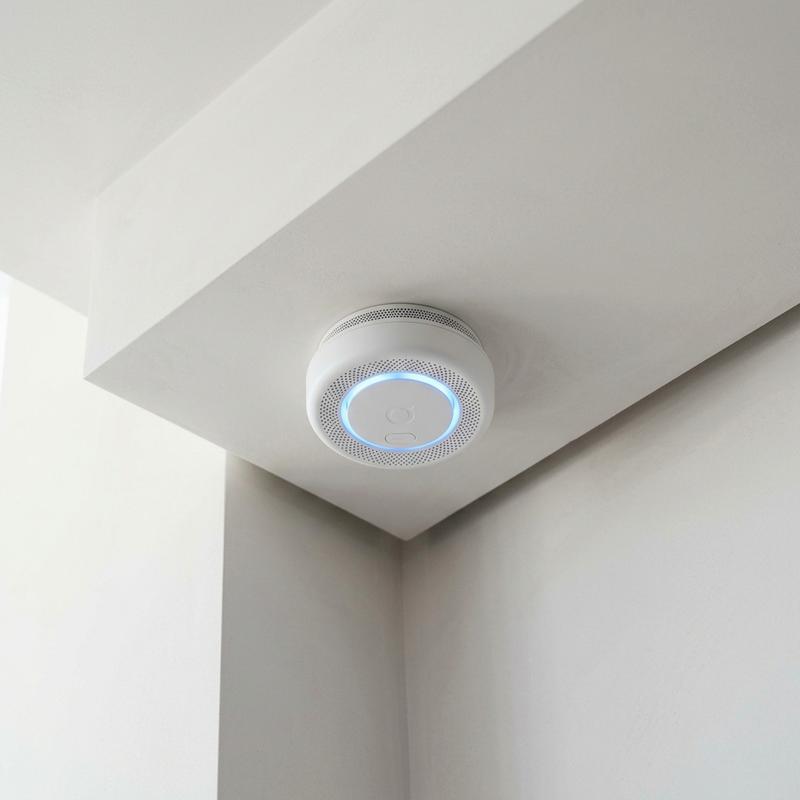
As a certified home safety inspector, I cannot emphasize enough how important reliable alarms are for protecting your family. A smoke and carbon monoxide detector acts as your home’s silent sentinel, providing early warnings that save lives. Our team at HomeTunez tested the leading smart and traditional safety detectors on the market to evaluate their sensitivity, battery life, and installation steps. Keeping these devices properly configured ensures you are protected from invisible dangers day and night. Let us explore how to set up your home’s safety system.
1. Understanding the Types of Smoke and Gas Sensors
Smoke detectors generally utilize two types of sensing technologies: ionization and photoelectric. Ionization detectors are highly sensitive to fast-burning, flaming fires, whereas photoelectric sensors excel at detecting slow-burning, smoldering fires. For maximum safety, you should install dual-sensor alarms that combine both technologies, or mix different units throughout your halls. Carbon monoxide detectors use electrochemical sensors to detect this odorless, colorless, and lethal gas before it builds up.
Premium smart units like the Google Nest Protect or First Alert Safe & Sound integrate both smoke and carbon monoxide detection into a single device. These smart devices can send push notifications directly to your phone if an emergency occurs while you are away. Connecting these alarms to a central hub is simple if you understand the underlying technology. Learn more about how these devices communicate by reading our guide to smart home protocols Zigbee, Z-Wave, and Wi-Fi.
2. Optimal Placement for Smoke and CO Alarms
To ensure your family is woken during an emergency, place smoke detectors inside every bedroom and outside all sleeping areas. Install alarms on every level of your home, including the basement, and mount them high on walls or on ceilings since smoke rises. Carbon monoxide detectors should be placed on every level as well, ideally near bedrooms and about five feet off the floor to match breathing height. Avoid placing detectors too close to kitchens or bathrooms to prevent false alarms from steam and normal cooking.
When installing safety devices, you can align them with your home’s interior styling. If you want to keep your sleeping spaces clean and healthy, consider the other elements in the room. You can pair your safety layout with our curated list of sustainable bedroom design ideas to build a safe, non-toxic sleeping sanctuary. Placing detectors near natural-wood bed frames ensures you sleep peacefully and securely.
3. Testing, Cleaning, and Battery Maintenance
Regular maintenance is essential to ensure your safety devices remain fully operational. Test your alarms once a month by pressing the test button and listening for the loud siren. Vacuum the vents of your detectors every six months using a soft brush attachment on a vacuum like a Dyson to remove dust and cobwebs. Replace the batteries in traditional detectors every year, or choose ten-year sealed lithium battery models like the Kidde Worry-Free series to eliminate battery chirps entirely.
Keeping your alarms clean of dust and soot ensures their optical sensors do not trigger false warnings. If you get dust or grease on your cleaning cloths while wiping down high ceilings, wash them using a natural formula. We suggest using the best eco-friendly laundry detergent sheets to lift heavy soot and dust from your cleaning rags. Clean rags help you maintain your detectors without leaving streaks.
4. Connecting Alarms with Smart Home Security
Integrating your detectors with a broader home security system allows for a highly coordinated response during emergencies. When an alarm triggers, smart systems can automatically turn on your home’s lights, unlock doors, and shut down heating systems to stop the spread of smoke. You can also pair these alarms with cameras to check your property visually when you receive a remote alert. This connection gives you immediate situational awareness from anywhere in the world.
For example, if you receive a smoke notification, you can pull up a live video feed to see if there is actual fire or just a burnt toast incident. To choose the right cameras for this setup, check out our review of the best smart indoor security cameras for home to monitor your rooms. This integration provides peace of mind and keeps your property secure.
5. Blending Safety Devices into Your Interior Design
Many homeowners worry that white plastic safety detectors will ruin the aesthetic of their carefully curated rooms. Modern manufacturers now design sleek, low-profile alarms that sit flush against the wall or ceiling, blending into your paint colors. You can place these alarms near architectural features or behind lighting fixtures to keep them out of direct sight while maintaining their safety function. A safe home can still look beautiful and cohesive.
If you are styling your living spaces, you can find creative ways to integrate smart tech and safety gear. Review our tips on budget-friendly modern living room decor ideas to see how to arrange your layout beautifully. Keeping your safety sensors clear of decor ensures they remain fully functional while your space looks stunning. Balancing design with safety creates a comfortable home.
Frequently Asked Questions
When do smoke and carbon monoxide detectors expire?
Most smoke detectors expire after ten years from the manufacture date printed on the back of the unit. Carbon monoxide detectors expire after seven to ten years, as their electrochemical sensors lose sensitivity over time.
Why is my smoke detector chirping every few minutes?
A persistent chirping sound usually indicates a low battery, a dirty sensor chamber, or that the unit has reached its end of life. Try replacing the battery and vacuuming the vents; if it continues to chirp, replace the unit immediately.
Should I install smoke alarms near my kitchen stove?
Avoid installing smoke alarms directly above stoves or ovens to prevent nuisance alarms from normal cooking steam and smoke. Place alarms at least ten feet away from cooking appliances to ensure they only trigger during real emergencies.
To learn more about optimizing your space, explore our guide on Smart Home Tech for Seniors.
For additional tips on creating a beautiful home, read our article about Non-Slip Flooring Solutions.
If you are planning a renovation, you might also find our ideas on Wheelchair Accessible Bathroom Design helpful.