
Introduction to Eco-Friendly Retro Styling
Mid-century modern design remains one of the most popular interior styles in the world, celebrated for its organic shapes, clean lines, and functional elegance. Originating in the mid-20th century, this aesthetic focuses on simplicity and connection to nature. However, in today’s world of fast furniture and mass production, reproducing this classic look can sometimes lead to environmental waste. Fortunately, by focusing on a sustainable mid century modern approach, homeowners can enjoy this timeless aesthetic while protecting the planet. This eco-friendly style blends the clean geometry of retro design with sustainable materials, local craftsmanship, and circular economy practices.
The beauty of this style lies in its inherent respect for natural materials. Original mid-century designs were crafted from solid, high-quality woods like walnut, teak, and oak, built to last for generations. A successful sustainable mid century modern design honors this legacy by choosing materials that are harvested responsibly and processed without harmful chemicals. By selecting vintage furniture, certified sustainable woods, and organic textiles, you can design a beautiful gathering space that is both healthy for your family and kind to the environment, proving that luxury and sustainability go hand in hand.
The Value of Vintage and Secondhand Furniture
The most effective way to design a sustainable mid century modern interior is to choose vintage and secondhand furniture. The greenest piece of furniture is the one that already exists, as it requires zero new resources to manufacture and prevents quality items from ending up in landfills. Original mid-century credenzas, coffee tables, and lounge chairs are highly prized for their superior joinery, solid wood construction, and artistic appeal. These pieces possess a unique patina and character that modern reproductions simply cannot replicate. By keeping these items in circulation, we reduce the demand for new production, support local vintage shops, and support a circular economy. This circular approach is the cornerstone of sustainable living, proving that vintage design is both beautiful and eco-friendly.
Finding vintage items can be an enjoyable and rewarding process. Explore local flea markets, estate sales, antique shops, and online secondhand platforms to discover hidden gems. Even if a piece has minor scratches or water rings, solid wood furniture can easily be sanded and refinished using natural oils and waxes. Choosing to restore and preserve vintage furniture is a core principle of a sustainable mid century modern lifestyle, keeping historic design alive while minimizing your carbon footprint and supporting local vintage dealers. This process also connects you deeply to the history of your home, making each design choice feel more meaningful, intentional, and unique. It is a wonderful way to express your personal style while making a positive impact on the planet.
Selecting Certified Woods and Eco-Friendly Materials
If you choose to buy new furniture, look for brands that prioritize certified sustainable materials. Verify that any new wooden pieces are crafted from Forest Stewardship Council (FSC) certified wood. This certification ensures that the timber was harvested from responsibly managed forests that protect biodiversity, preserve water resources, and support local workers. Look for woods like walnut, ash, and maple, which are native to North America and require less transport energy than imported exotic woods. Sourcing local wood is a great way to reduce transit emissions, support local forestry operations, and build a stronger connection to your regional environment.
In addition to wood, pay close attention to the adhesives and finishes used during manufacturing. Traditional furniture brands often use glues and varnishes that emit Volatile Organic Compounds (VOCs), which can pollute your indoor air for years. When buying new pieces for an eco-friendly retro home, choose furniture finished with natural linseed oil, tung oil, or water-based low-VOC sealants. These natural finishes protect the wood while keeping your indoor air clean and healthy, allowing you to breathe easy in your home.
Sourcing Non-Toxic and Organic Upholstery Fabrics
Upholstery fabrics are another major factor in your home’s environmental impact. Conventional fabrics like polyester and nylon are made from petroleum-based plastics and are often treated with toxic flame retardants and stain-resistant chemicals. To keep your seating eco-friendly, choose natural, biodegradable fabrics. Organic linen, hemp, wool, and organic cotton are excellent options that offer superior breathability, texture, and durability. These fabrics are grown without synthetic pesticides, protecting agricultural soil and water systems. They are also much healthier for your indoor living environment.
When selecting fabrics for a sustainable mid century modern sofa or lounge chair, look for third-party certifications like the Global Organic Textile Standard (GOTS) or OEKO-TEX Standard 100. These labels guarantee that the textiles are free from harmful chemicals and heavy metals. Organic wool is a particularly fantastic choice for retro chairs, offering natural fire resistance and stain protection without the need for chemical treatments. These healthy, natural fabrics bring cozy warmth, organic softness, and beautiful texture to your seating layout.
Eco-Friendly Wall Finishes and Textures
The walls serve as the backdrop for your furniture, making wall finishes a key element of your design system. To match the organic texture of mid-century furniture, avoid flat, synthetic latex paint. Instead, choose clay plaster or limewash paint. These traditional wall finishes are made from natural clay, lime, and mineral pigments, making them completely non-toxic and biodegradable. They also possess a soft, matte, and slightly textured finish that catches the light beautifully, adding depth and a cozy feel to the room.
If you prefer painted walls, choose zero-VOC paints. These eco-friendly paints are free from harmful chemicals, ensuring your home smells clean and fresh immediately after painting. For accent walls, consider using sustainable wall paneling made from reclaimed wood or FSC-certified wood slats. This fluted wood paneling adds rich architectural texture and mimics the organic, wood-centric interiors that were highly popular in mid-century architecture, creating a cozy, warm, and highly inviting atmosphere for family gatherings.
Staging with Biophilic Elements and Vintage Accents
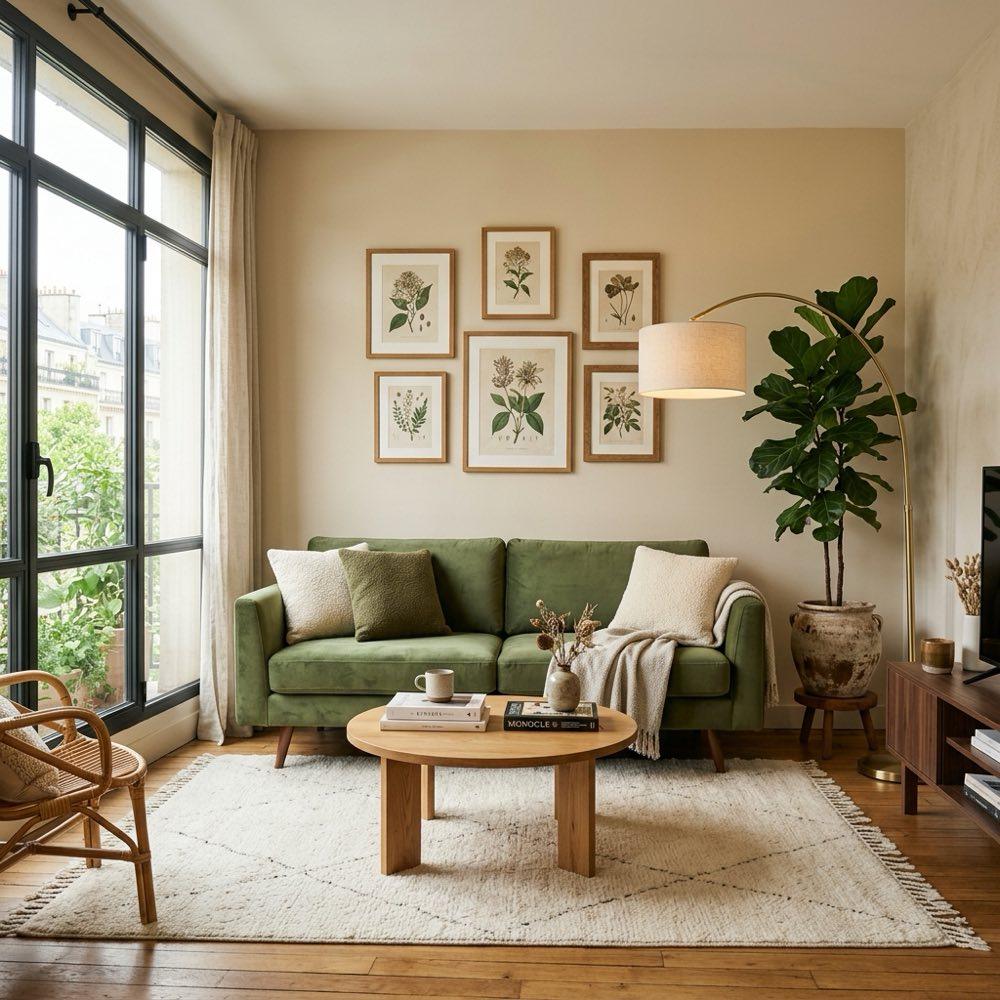
For the final staging of your room, follow a minimalist, biophilic approach. Mid-century modern design was deeply influenced by the connection between indoor and outdoor spaces. Place large potted plants like a fiddle-leaf fig or a snake plant in ceramic pots to bring natural greenery indoors. Plants improve indoor air quality and add organic color that complements warm wood furniture. Staging with plants is a simple, low-cost, and highly effective way to celebrate nature in your home, enhancing the relaxed vibe of the space.
For decor and accessories, choose vintage items over mass-produced decor. Vintage ceramic vases, brass candle holders, and abstract wool rugs are perfect for adding character to shelves and tables. Look for handmade, artisanal items that celebrate human craftsmanship and wabi-sabi charm. By limiting the number of decor items and choosing unique, high-quality pieces, you ensure the layout remains clean and uncluttered. This intentional staging showcases the beauty of each item, creating a peaceful and artistic environment.
Conclusion
Building a stylish home does not require compromising your environmental values. A thoughtful approach to sustainable mid century modern design allows you to enjoy the best of retro aesthetics while supporting a circular economy. By prioritizing vintage furniture, choosing FSC-certified woods with natural finishes, and selecting organic upholstery fabrics, you create a healthy, beautiful, and warm home sanctuary. This eco-friendly styling philosophy is more than just a passing trend; it is a commitment to timeless design, quality craftsmanship, and responsible living for future generations.
To learn more about optimizing your space, explore our guide on Sustainable Geothermal Heating and Cooling.
For additional tips on creating a beautiful home, read our article about Sustainable Solar Power Home Battery Storage.
If you are planning a renovation, you might also find our ideas on Rainwater Harvesting System for Home helpful.
To discover more sustainable choices, check out our tips on Upcycled Home Decor Ideas.