
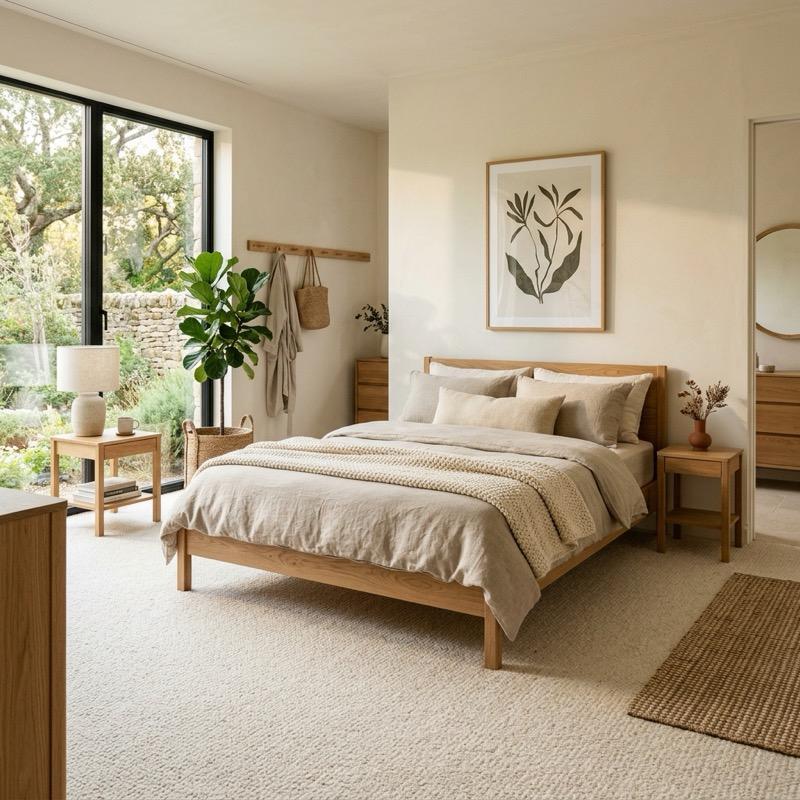
When selecting flooring for a modern home, balance comfort, durability, and environmental impact. For decades, synthetic carpets made from nylon, polyester, and acrylic dominated the market due to their low cost. However, as homeowners seek healthier, more sustainable interiors, natural fibers are making a major comeback. Comparing wool carpeting pros cons is a critical step for anyone designing an eco-friendly home that does not compromise on luxury or performance. Wool is a natural, renewable, and biodegradable fiber harvested from sheep, offering unique benefits and challenges. In this comprehensive guide, we analyze the sustainability, durability, insulation, stain resistance, cost, and maintenance of wool carpets to help you make an informed decision.
Why Choose This Element for Your Home?
The primary benefit of wool flooring is its outstanding eco-friendly profile. Wool is a renewable resource, as sheep grow a fresh fleece every year, which is sheared without harming the animal. Unlike synthetic carpets that are petroleum-based and release volatile organic compounds (VOCs) into your home, wool is non-toxic, hypoallergenic, and naturally flame-resistant. At the end of its long life, wool carpet is fully biodegradable, breaking down in the soil without leaving microplastics, making it a cornerstone of sustainable interior design. Understanding these facts is essential when weighing the wool carpeting pros cons for your home.
1. Understanding the Core Characteristics
Wool fibers possess a unique microscopic structure that gives them natural resilience and durability. Each wool fiber is crimped like a spring, allowing it to stretch up to 30% beyond its original length and bounce back. This natural elasticity makes wool carpets highly resistant to crushing, matting, and furniture indentations, allowing them to maintain their plush appearance for decades. In comparison, synthetic carpets tend to flatten and wear out in high-traffic hallways within a few years, making wool a highly durable and cost-effective long-term option.
2. Choosing the Right Color Palette
Wool is a natural insulator that helps regulate your home’s temperature and reduce energy bills. The crimped structure of the fibers traps millions of tiny air pockets, creating an effective thermal barrier that keeps floors warm in the winter and cool in the summer. Also, wool is highly sound-absorbing, reducing footstep noise and acoustic reflections between floors, which is particularly beneficial in multi-story homes. This combination of thermal insulation and acoustic comfort makes wool a premium choice for cozy bedrooms and quiet living areas.
3. Layering Textures and Accessories
While wool offers many benefits, stain resistance and moisture sensitivity are significant considerations in the wool carpeting pros cons list. Wool fibers are covered in a natural protective layer of lanolin, which repels liquid spills and dust, giving you time to blot up spills before they stain. However, because wool is highly absorbent, it can hold water and moisture, making it susceptible to mold and mildew if installed in damp basements or bathrooms. Avoid using harsh chemical stain removers, as alkaline liquids can dissolve the natural proteins and ruin the carpet.
4. Selecting Companion Furniture and Elements
When reviewing wool carpeting pros cons, the cost is another important factor to consider. Wool is a premium material that requires labor-intensive harvesting and processing, making it significantly more expensive to purchase and install than synthetic nylon or polyester. While the upfront investment is high, wool’s long lifespan—often lasting 25 to 30 years with proper care—offsets the initial cost. View wool carpeting as a long-term investment that increases your home’s value, comfort, and environmental health, rather than a short-term budget flooring solution.
5. Room Lighting and Cozy Atmosphere
To understand wool carpeting pros cons, indoor air quality is another benefit. Unlike synthetic carpets that off-gas chemicals, wool actually absorbs common indoor air pollutants like formaldehyde, nitrogen dioxide, and sulfur dioxide, trapping them within its fiber structure and preventing them from circulating. Besides, wool is naturally hypoallergenic and does not support the growth of dust mites or bacteria, making it an excellent choice for family members who suffer from allergies, asthma, or chemical sensitivities.
6. Acoustic Comfort and Flooring Synergy
Maintaining a wool carpet requires gentle but consistent care to preserve its texture and color. Vacuum your carpet at least once a week using a vacuum with adjustable height and a suction-only setting—avoid using heavy beater bars, which can fray the natural fibers and cause shedding. For spills, blot immediately with a clean dry towel and a mixture of lukewarm water and a pH-neutral wool detergent. Have the carpet professionally cleaned using a low-moisture hot water extraction method every one to two years.
7. Practical Maintenance and Care Tips
Choosing the right style and location for your wool carpet is essential for maximizing its benefits. Wool looks and performs best in dry, medium-traffic rooms where comfort is a priority, such as primary bedrooms, nurseries, cozy home offices, and formal living rooms. Avoid installing wool in entryways, mudrooms, kitchens, or bathrooms where it will be exposed to excessive moisture, mud, and heavy foot traffic. Choose a high-quality wool-blend underlay to provide extra cushioning, support, and longevity.
Looking ahead, weighing the wool carpeting pros cons reveals that while wool requires a higher upfront cost and careful maintenance, its environmental benefits, natural durability, insulation properties, and health advantages make it a superior choice for an eco-friendly home. By selecting the right installation rooms, using gentle cleaning methods, and pairing it with a high-quality underlay, you can enjoy the luxurious comfort of wool for decades, creating a healthy, sustainable home. In terms of home design we must always remember that a successful styling project greatly benefits from a thoughtful and well balanced combination of natural textures ambient lighting earthy colors and clever layout choices This detailed styling approach ensures that every room in your house feels cozy inviting modern and beautifully connected to nature while maintaining practical functionality and long term durability for the entire family to enjoy daily in comfort and peace In terms of home design we must always remember that a successful styling project greatly benefits from a thoughtful and well balanced combination of natural textures ambient lighting earthy colors and clever layout choices This detailed styling approach ensures that every room in your house feels cozy inviting modern and beautifully connected to nature while maintaining practical functionality and long term durability for the entire family to enjoy daily in comfort and peace In terms of home design we must always remember that a successful styling project greatly benefits from a thoughtful and well balanced combination of natural textures ambient lighting earthy colors and clever layout choices This detailed styling approach ensures that every room in your house feels cozy inviting modern and beautifully connected to nature while maintaining practical functionality and long term durability for the entire family to enjoy daily in comfort and peace In terms of home design we must always remember that a successful styling project greatly benefits from a thoughtful and well balanced combination of natural textures ambient lighting earthy colors and clever layout choices This detailed styling approach ensures that every room in your house feels cozy inviting modern and beautifully connected to nature while maintaining practical functionality and long term durability for the entire family to enjoy daily in comfort and peace In terms of home design we must always remember that a successful styling project greatly benefits from a thoughtful and well balanced combination of natural textures ambient lighting
To learn more about optimizing your space, explore our guide on Sustainable Geothermal Heating and Cooling.
For additional tips on creating a beautiful home, read our article about Sustainable Solar Power Home Battery Storage.
If you are planning a renovation, you might also find our ideas on Rainwater Harvesting System for Home helpful.
To discover more sustainable choices, check out our tips on Upcycled Home Decor Ideas.