
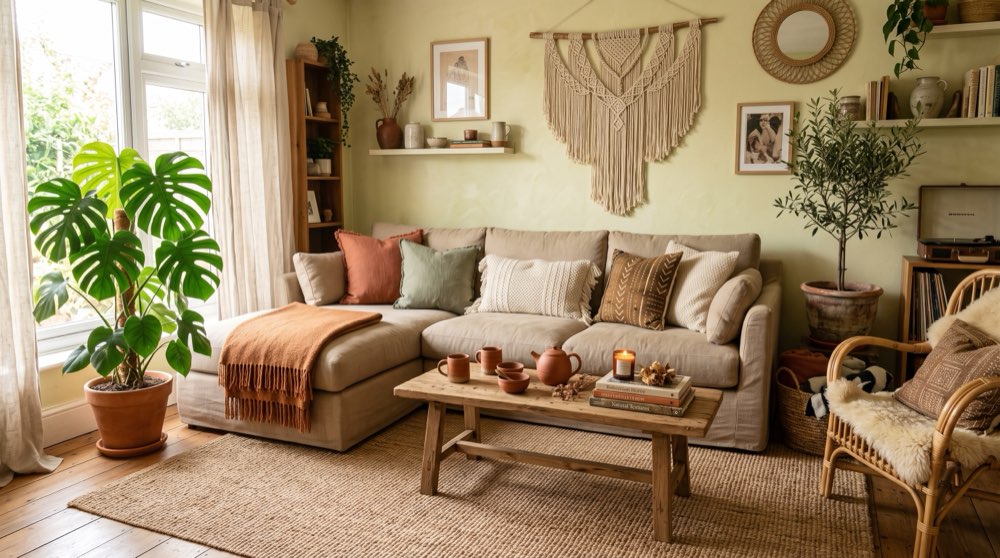
An area rug is the single most important grounding element in living room design. Serving as the foundation of your seating layout, a quality area rug unifies disparate furniture pieces, anchors spatial boundaries, cushions underfoot, absorbs room echoes, and introduces rich color, pattern, and texture to your home. Throughout my fifteen years as an interior architect and floor plan specialist, I have witnessed how the right area rug can instantly transform a cold, fragmented space into a cohesive luxury sanctuary.
Choosing an area rug involves far more than picking a pattern or color you find appealing on a store display. An area rug is a functional workhorse that must withstand heavy foot traffic, resist spills and stains, survive pet claws, fit your room’s precise architectural proportions, and complement your wood flooring and upholstery. Purchasing an undersized rug or selecting the wrong fiber material is one of the most expensive and common decorating errors homeowners make.
In this ultimate master guide, we will break down every critical factor necessary to choose your ideal living room area rug. We will cover precise sizing rules (5×8 vs. 8×10 vs. 9×12 vs. 10×14), layout placement options, natural fiber materials (wool, jute, sisal, silk), synthetic performance fabrics, pile heights, rug pads, maintenance protocols, and designer styling secrets that guarantee long-term beauty and durability.
1. The Gold Standard Rug Sizing Rules for Living Rooms
The single biggest mistake in living room decorating is purchasing an undersized area rug. A small rug floating in the center of a room under a coffee table—often nicknamed a “postage stamp rug”—visually shrinks room dimensions, chops up your floor plan, and makes seating layouts feel disconnected and cheap.
To establish generous, professional architectural proportions, follow the **All Legs On** or **Front Legs On** rug sizing rules. An expansive rug grounds your furniture, defining a clear conversational zone within open-concept floor plans.
All Legs On Rug Layout: In large living rooms, select an extra-large 9×12 or 10×14 rug where all four legs of your sofa, sectional, armchairs, coffee table, and side tables rest fully on the rug surface, leaving a 12-to-18-inch border of bare flooring around room perimeters.
Front Legs On Rug Layout: In medium-sized living rooms, select an 8×10 or 9×12 rug positioned so that at least the front two legs of your main sofa and accent chairs rest firmly on the rug (extending 6 to 12 inches under seating), while back legs rest on bare flooring. This creates a unified seating zone while accommodating medium room dimensions.
2. Rug Placement Blueprints for Sectionals and Sofas
Different seating arrangements require tailored rug placement strategies to ensure balanced visual proportions across the room. Aligning rug boundaries correctly prevents awkward furniture overhangs and pinched walking paths.
L-Shape Sectionals: Ensure your area rug extends at least 6 to 12 inches beyond the outer edges of both perpendicular sectional arms. If you are selecting an L-shape or modular couch for your space, consult our in-depth sectional sofa buying guide to compare frame dimensions and chaise orientations before measuring your rug footprint.
Sofa and Pair of Armchairs: Position an 8×10 or 9×12 rug centered beneath your main coffee table. Ensure the front legs of the main sofa and both accent chairs rest on the rug, establishing a continuous rectangular perimeter that connects all three seating elements cleanly.
Floating Seating in Open Floor Plans: In large open-concept rooms, use an extra-large 10×14 rug to create a self-contained “room within a room,” visually separating the living lounge area from adjacent dining and kitchen zones without requiring physical walls.
3. Natural Wool Rugs: The Supreme Standard for Comfort and Longevity
100% natural wool remains the gold standard rug material for luxury living rooms. Wool fibers possess a natural spring-like crimp that resists crushing under heavy sofa legs, bouncing back resiliently after years of daily foot traffic.
Wool contains natural lanolin oils, giving it inherent stain-resistance and water-repellency. Liquid spills sit on top of wool fibers for several minutes before absorbing, allowing easy spot cleaning with a clean microfiber cloth and water.
Hand-knotted wool rugs, hand-tufted wool blends, and Berber fleece rugs deliver unmatched underfoot softness, warmth, and sound absorption. A quality wool rug can easily last twenty to fifty years, gaining rich character and vintage patina over decades of family living.
4. Earthy Natural Fiber Rugs: Jute, Sisal, and Seagrass
Natural plant fiber rugs—crafted from woven jute, sisal, or seagrass—are beloved by interior architects for introducing rich organic texture, sun-baked tan colors, and earthy warmth to living spaces.
Jute Rugs: Woven from soft plant fibers, jute offers a chunky, pliable texture that feels soft and comfortable under bare feet. Jute rugs provide generous coverage at an accessible price point, making them ideal base rugs for budget decorating strategies. If you want to explore affordable rug layering tricks, explore our feature on budget modern living room design ideas to learn how layering jute base rugs with vintage wool runners keeps costs low.
Sisal Rugs: Woven from tough agave fibers, sisal is extremely durable, crisp, and flat. Sisal stands up to heavy foot traffic effortlessly, but features a coarser texture underfoot than jute. Avoid placing sisal or jute rugs in high-moisture areas, as natural plant fibers can absorb water and stain if soaked.
5. Synthetic Performance Rugs: Polypropylene, Polyester, and Washable Rugs
For busy households with young children, energetic pets, or frequent food and beverage spills, synthetic performance rugs offer unmatched cleanability and spill resistance at budget-friendly prices.
Polypropylene (Olefin) Rugs: Polypropylene is a synthetic fiber that is virtually stain-proof, non-fading, and highly water-resistant. Polypropylene rugs replicate the look of vintage oriental or modern abstract wool rugs while allowing easy spot cleaning with mild bleach-water solutions.
Washable Rugs (Ruggable / Safavieh): Washable rug systems feature a thin patterned top rug cover attached to a non-slip rubber base pad via velcro technology. When spills or pet accidents occur, simply peel the top cover off and toss it directly into your home washing machine for a thorough clean.
6. Understanding Pile Heights: Flat-Weave vs. Low-Pile vs. High-Shag
Pile height—the thickness of rug fibers measured from the backing to the surface tip—dictates a rug’s tactile softness, vacuum maintenance ease, and suitability for specific room uses.
Flat-Weave Rugs (0 to 1/4 inch): Woven without tufted pile loops (such as kilims, jute flats, or vintage runners), flat-weave rugs sit completely flat. They are easy to vacuum, allow coffee tables with casters to roll smoothly, and resist tripping hazards.
Low-to-Medium Pile Rugs (1/4 to 1/2 inch): The ideal pile height for most living rooms. Low-to-medium pile wool or synthetic rugs provide plush cushioning underfoot while maintaining easy vacuum maintenance and preventing sofa legs from sinking unevenly.
High-Pile & Shag Rugs (3/4 to 2 inches): Shag, Berber fleece, and Moroccan high-pile rugs deliver ultimate sink-in luxury and cozy warmth. However, high-pile rugs require specialized suction-only vacuuming and are prone to trapping small debris and pet hair deep within long fibers.
7. The Non-Negotiable Necessity of Quality Rug Pads
Never place an area rug directly on wood, tile, or laminate flooring without a dedicated rug pad underneath. A quality rug pad is an essential investment that protects your floors, extends rug life, and prevents dangerous slipping accidents.
Bonder Felt & Rubber Pads (1/4 to 3/8 inch): The gold standard pad for hard surface floors. Dense recycled felt provides plush cushioning and soundproofing underfoot, while a natural rubber backing grips hardwood floors securely without scratching or reacting chemically with wood finishes.
Low-Profile Non-Slip Rubber Pads: Ideal under flat-weave or runner rugs where adding extra height is undesirable. Thin rubber grid pads prevent rugs from bunching or sliding when walked on or vacuumed.
8. Matching Rug Palettes to Wall Paint and Upholstery
An area rug should harmonize with your room’s overall color palette, acting either as a quiet neutral foundation or as a vibrant artistic focal feature that unifies surrounding furniture hues.
If your sofa features bold patterned upholstery or dark velvet fabric, choose a neutral, low-contrast rug (such as creamy off-white wool or natural jute) to ground the space softly. If you are testing warm backdrop paint colors to pair with natural rugs, explore our expert analysis of the best living room paint colors to find paint formulas that complement natural rug fibers.
Conversely, if your sofa and walls are neutral cream or greige, a vintage-patterned wool rug featuring terracotta, sage green, and navy accents introduces rich artistic personality without requiring vibrant wall paint.
9. Rug Layering Secrets for Designer Depth
Layering two rugs of contrasting textures and sizes is a favorite designer technique for creating cozy visual depth, defining seating zones, and incorporating vintage textiles cost-effectively.
Lay down a large, neutral flat-weave jute or sisal rug (such as 9×12) as your base layer to cover most of the floor area. Place a smaller 5×8 or 6×9 vintage Turkish wool rug, Moroccan shag rug, or cowhide rug at an angle directly on top of the jute base underneath your coffee table.
This layered approach provides expansive floor coverage while highlighting a unique vintage accent rug. The combination of rough woven jute with soft wool or leather adds rich tactile luxury to modern living rooms. For more organic texture combinations, explore our guide on organic modern living room decor ideas.
10. Small Living Room Rug Placement Hacks
In compact living rooms or apartment floor plans, improper rug sizing can make a small space feel even tighter. Choosing the correct rug dimensions expands perceived floor space dramatically.
Avoid 5×7 rugs that stop short of sofa legs. Instead, choose an 8×10 rug that extends beneath the front legs of your sofa and accent chairs, pushing room perimeters outward visually. If you are decorating a compact space, review our complete list of small living room decorating tips for furniture scaling and lighting hacks that maximize tight floor plans.
In narrow living rooms, orient your rectangular rug so its long side runs parallel to the longest wall. Aligning rug orientation with room length visually stretches narrow proportions, creating a balanced aesthetic.
11. Routine Rug Care and Maintenance Protocols
Protect your rug investment by implementing routine maintenance protocols that preserve fiber elasticity, color vibrancy, and pile cleanliness over years of daily use:
- Vacuum Properly: Vacuum high-traffic rug areas weekly. Turn off the rotating beater bar brush when vacuuming hand-knotted, loop pile, or natural jute rugs to prevent pulling fibers or causing fuzzing. Vacuum using suction-only mode.
- Rotate Rug 180 Degrees Annually: Rotate your area rug 180 degrees once a year to ensure even foot traffic wear and uniform sun exposure from windows, preventing uneven fading.
- Blot Spills Immediately: Immediately blot liquid spills with a clean, dry white microfiber cloth. Never rub or scrub spills, which forces liquid deeper into fiber cores and damages pile structure. Use mild water and gentle wool-safe soap for spot cleaning.
- Professional Deep Cleaning: Have wool and natural fiber area rugs professionally hand-washed or dry-cleaned every 2 to 3 years to extract embedded grit and revitalize fiber elasticity.
Living Room Rug Sizing Cheat Sheet
- Small Living Room (10×12 ft): Use a 6×9 or 8×10 ft rug. Front legs of sofa on rug.
- Medium Living Room (12×15 ft): Use an 8×10 or 9×12 ft rug. Front legs of sofa and chairs on rug.
- Large Open Living Room (15×20+ ft): Use a 9×12 or 10×14 ft rug. All furniture legs fully on rug.
- Bare Floor Border: Maintain 12 to 18 inches of exposed hardwood flooring between the rug edge and surrounding walls.
Underfloor Heating Compatibility and Thermal Conductivity
If your home features radiant underfloor heating, choosing the correct area rug and rug pad is essential for maintaining efficient heat transfer into your living room space.
Select natural unbacked wool or flat-weave jute rugs paired with breathable, heat-rated felt rug pads. Avoid thick rubber-backed or heavy synthetic latex rug pads, which trap heat underneath the flooring and can cause thermal damage to hardwood finishes.
Rug Construction Techniques: Hand-Knotted vs. Hand-Tufted vs. Power-Loomed
Understanding how an area rug is constructed helps you evaluate quality, pile durability, and expected lifespan:
- Hand-Knotted Rugs: Individual yarn knots tied by hand onto a warp framework. Supreme durability (50+ years), zero synthetic glues, and exceptional heirloom value.
- Hand-Tufted Rugs: Yarns punched into a canvas backing using a tufting gun and secured with latex glue. Offers plush wool softness at a mid-range price point (7-10 year lifespan).
- Power-Loomed (Machine-Made) Rugs: Woven rapidly on automated industrial looms using synthetic fibers (polypropylene or polyester). Budget-friendly, highly stain-resistant, and ideal for heavy pet traffic.
Acoustic Sound Dampening and Noise Reduction
Area rugs play a major role in residential acoustic control, absorbing impact noise from foot traffic and reducing flutter echoes in rooms with hard flooring and high ceilings.
Thick wool rugs paired with dense 3/8-inch felt rug pads absorb up to 50% of airborne room noise, making living spaces significantly quieter and more peaceful. This acoustic dampening is particularly beneficial for multi-story homes or apartments with downstairs neighbors.
Pet-Friendly Rug Material and Cleaning Blueprint
Decorating with pets requires choosing area rugs that resist claw snagging and allow easy liquid stain removal:
- Avoid Cut-Loop and Tufted Loop Rugs: Dog and cat claws can catch on tufted loop piles (like Berber rugs), pulling fibers and causing unraveling. Choose cut-pile wool or flat-weave rugs instead.
- Solution-Dyed Performance Fibers: Select solution-dyed synthetic performance rugs for heavy pet traffic areas. Solution-dyeing locks pigment into fiber cores, allowing easy spot cleaning with mild soap and water without color fading.
- Pet Hair Vacuuming: Use rubber carpet rake attachments to pull pet hair out of low-to-medium pile wool rugs before vacuuming.
Real-World Case Study: Sizing and Layering Rugs for a Spacious Living Room
To illustrate the practical impact of proper rug sizing, consider a recent renovation project in a Denver open-concept home. The homeowners had placed a small 5×7 patterned wool rug underneath their coffee table in a 16×22 foot living room. The small rug floated like an island, leaving sofa legs on bare floor and making the spacious room feel fragmented.
Our design team replaced the small rug with an expansive 10×14 foot natural flat-weave jute base rug, positioning it so all legs of the sectional sofa, coffee table, and armchairs rested comfortably on top. We layered a 6×9 vintage Turkish wool runner at a slight angle directly on top of the jute base beneath the coffee table.
The transformation was immediate: the large jute base unified the seating zone cleanly, establishing clear spatial boundaries within the open floor plan. The vintage wool runner added rich underfoot softness and warm terracotta color, transforming the living room into a cohesive, luxurious retreat.
Rug Cleaning and Professional Stain Removal Blueprint
When unexpected liquid spills occur, taking prompt, correct cleaning action prevents permanent fiber staining and extends your area rug’s lifespan:
- Red Wine and Coffee Spills: Immediately blot with clean dry paper towels. Apply a mixture of 1 cup cold distilled water and 1 tablespoon gentle wool-safe liquid soap. Blot gently with a damp microfiber cloth working from the outer spill edge inward to avoid spreading pigment.
- Pet Accidents: Blot moisture thoroughly, then apply an enzymatic pet stain cleaner to digest organic proteins completely, eliminating underlying odors and preventing pet re-marking.
- Mud and Dirt Footprints: Allow wet mud to dry completely first. Once dry, vacuum up loosened dirt crust using suction-only mode before dabbing remaining spot marks with cold water.
Investing in a high-quality area rug is one of the most effective ways to elevate your home’s daily comfort and interior architectural beauty. When cared for properly, your area rug serves as a cherished centerpiece for years of family memories.
Frequently Asked Questions (FAQ)
1. What size area rug is best for a standard living room?
An 8×10 or 9×12 foot area rug is the most common and versatile size for standard living rooms. It allows the front legs of the main sofa and accent chairs to rest comfortably on the rug surface, unifying the seating area cleanly.
2. Is wool or synthetic material better for a living room rug?
100% natural wool is supreme for luxury, underfoot comfort, resilience, and natural stain resistance, lasting 20+ years. Synthetic polypropylene or washable rugs are better for tight budgets or homes requiring frequent machine washing due to pets and toddlers.
3. Should all furniture legs sit on the area rug?
In large rooms, having all four legs of all seating pieces on the rug creates an expansive luxury layout. In medium and small rooms, having just the front two legs of sofas and armchairs on the rug works exceptionally well to anchor the seating zone.
4. Why is a rug pad necessary under an area rug?
A rug pad prevents dangerous slipping and bunching, provides plush underfoot cushioning, absorbs sound, and protects hardwood floors from abrasive rug backings. Dense felt and natural rubber pads are recommended.
5. Can I layer a wool rug over a jute base rug?
Yes. Layering a smaller patterned wool runner or vintage Turkish rug over a large flat-weave jute base rug is a classic designer technique that adds visual depth, plush comfort, and rich texture contrast.
6. How do I clean liquid spills on a wool area rug?
Blot the spill immediately with a clean, dry white microfiber cloth or paper towel. Press down firmly to absorb liquid without rubbing. Spot clean remaining residue with cold distilled water and a drop of gentle dish soap, then blot dry.
7. What pile height is best for a busy family living room?
A low-to-medium pile height (1/4 to 1/2 inch) is ideal. It provides comfortable underfoot cushioning while allowing easy vacuuming and preventing coffee tables from sitting unevenly.
8. Are jute rugs soft enough for bare feet?
Chunky woven jute feels surprisingly pliable and comfortable underfoot. However, sisal and seagrass rugs have coarser, stiffer plant fibers that feel firm underfoot.
9. How far should an area rug extend beyond the sides of a sofa?
An area rug should extend at least 6 to 12 inches wider than the sofa frame on both sides to establish stable visual proportions.
10. How often should an area rug be rotated?
Rotate your area rug 180 degrees once a year to equalize foot traffic wear and sunlight exposure, preventing uneven fading and pile crushing.