
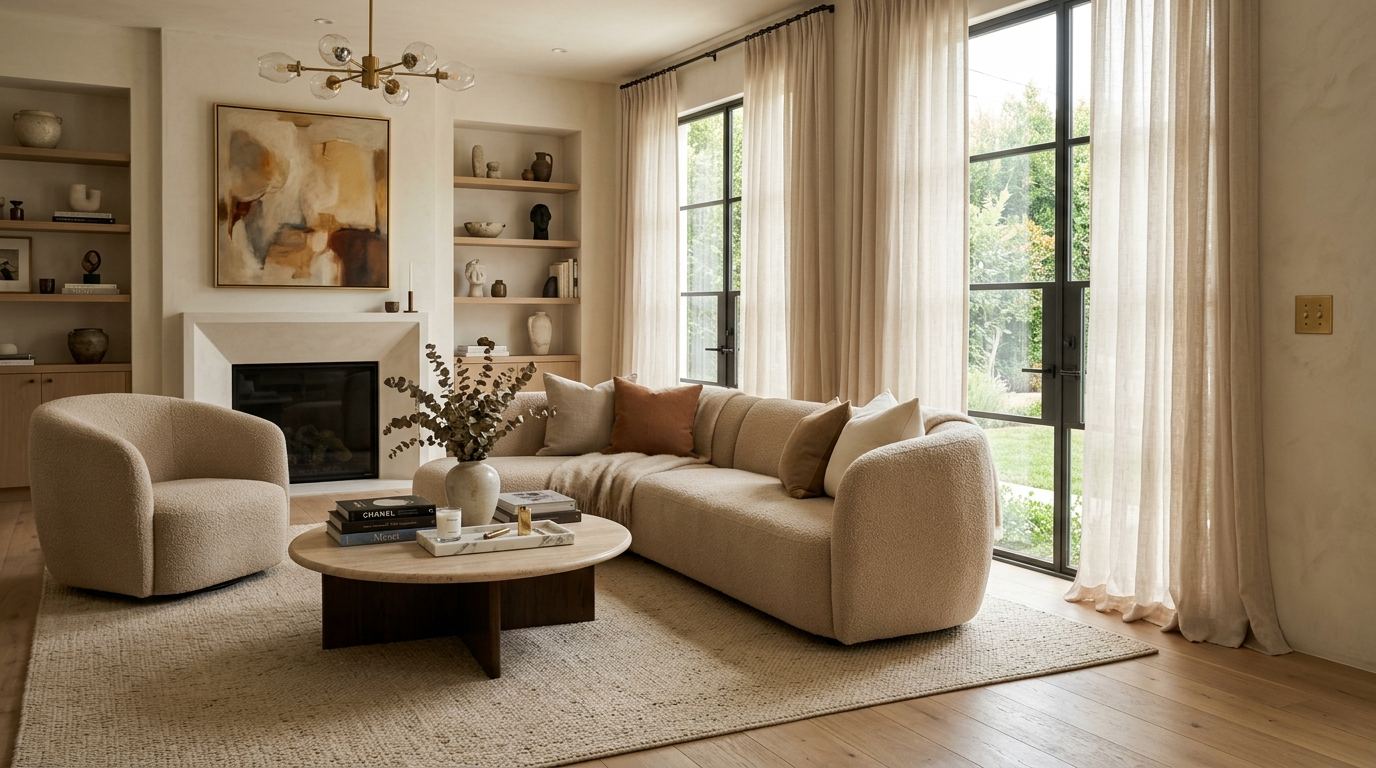
Creating a living room that looks breathtakingly expensive and architecturally refined is not a matter of how much money you spend. Throughout my fifteen years as an interior architect and residential consultant, I have seen five-figure budgets wasted on cluttered, disjointed rooms, while modest budgets executed with designer discipline yielded magazine-worthy homes. Genuine luxury is rooted in scale, lighting layers, material texture, proportion, and editing restraint.
Many homeowners believe that making a room look expensive requires buying custom Italian furniture or luxury artwork. In reality, high-end interior designers rely on subtle visual tricks—such as hanging drapery floor-to-ceiling, color-drenching walls and trim, adding picture frame moldings, swapping commercial hardware, and layering warm low-glare light sources. These strategic details elevate budget-friendly rooms into custom luxury sanctuaries.
In this comprehensive guide, we will unpack fourteen proven ways to make your living room look expensive without spending a fortune. We will cover paint techniques, curtain placement, furniture scaling, lighting layers, thrifted vintage accents, rug selection, and surface styling that transform your home into an opulent retreat.
1. Color-Drench Walls, Baseboards, and Trim in Warm Neutrals
Color-drenching—the technique of painting drywalls, baseboards, window trim, crown molding, and doors in the exact same color—is one of the most effective designer hacks for creating a high-end architectural aesthetic on a small paint budget.
Traditional builder-grade rooms pair white trim with beige or grey walls, creating harsh visual breaks that outline room boundaries clearly. Using one continuous warm neutral color across all vertical surfaces erases visual breaks, allowing corners to soften and walls to recede visually.
Choose luminous off-whites or greiges—such as Sherwin-Williams Alabaster, Benjamin Moore Swiss Coffee, or Farrow & Ball Drop Cloth. Use an eggshell finish on drywalls and a satin finish on baseboards and doors. If you want to compare light reflectance values and undertones, browse through our analysis of the best living room paint colors to select shades that maximize natural daylight flow.
2. Hang High-Density Linen Drapery Floor-to-Ceiling
Skimping on window treatments or hanging cheap short blinds is an instant giveaway of a low-budget room makeover. High-end luxury rooms feature generous, heavy drapery that flows from ceiling molding down to the floor.
Install thin black or unlacquered brass curtain rods high—just two to three inches below the ceiling line—and extend the rod six to twelve inches wider than the window frame on both sides. Choose floor-length 95-inch or 108-inch sheer linen drapery panels that brush the floor smoothly.
When curtains are drawn open, the fabric rests against the wall rather than blocking window glass. This simple hanging technique floods your room with daylight while drawing the eye upward, making standard eight-foot ceilings feel soaring. To explore curtain hanging blueprints, review our 2026 report on living room curtain and drapery trends for fabric recommendations.
3. Scale Up Your Area Rug to Anchor the Seating Zone
Buying a tiny 5×7 area rug out of fear of overspending is a common budget mistake that shrinks room perception. A small rug floating in the middle of a room acts like a small island, making the entire living space feel cheap and disjointed.
Invest in an expansive 8×10 or 9×12 area rug that unifies your sofa and accent chairs into a cohesive architectural zone. Ensure that at least the front legs of your main sofa and armchairs rest comfortably on top of the rug surface.
If high-end wool rugs exceed your budget, buy an affordable flat-weave natural jute or sisal rug as your large base layer, and layer a smaller vintage runner on top. Explore placement rules in our living room area rug guide to select budget-friendly natural jute combinations.
4. Add DIY Picture Frame Molding Across Main Walls
Picture frame molding—often called Parisian box trim—adds instant classical architectural structure and European charm to flat drywalls. Installing delicate wooden molding boxes across your main sofa wall creates custom shadow lines that mimic historic penthouses.
Purchase affordable 1-inch pre-primed pine screen molding strips from a hardware store. Measure your wall and cut rectangular boxes using a hand miter box, attaching strips to drywalls using brad nails and adhesive. Space boxes 3.5 to 5 inches apart across the wall width.
Caulk seams and paint the moldings and wall in the same warm neutral color. Picture frame molding delivers custom carpenter sophistication for under $150 in DIY material costs.
5. Layer Warm Low-Glare Ambient and Task Lighting
Relying on a single harsh ceiling fixture creates downward shadows and a sterile atmosphere that ruins luxury aesthetics. Luxury lighting is built on multi-layered, dimmable, warm illumination.
Layer floor lamps in dark room corners, mount brass picture lights above gallery art, and place table lamps on sideboards. Swap cool bulbs for warm 2700K LED bulbs and install wall dimmer switches to control evening mood effortlessly.
Incorporate cordless rechargeable table lamps on coffee tables or bookshelves. To explore low-glare fixtures and warm Kelvin trends, review our report on living room lighting trends to select fixtures designed for high-end ambiance.
6. Swap Builder-Grade Hardware for Unlacquered Brass or Black Iron
Standard plastic or brushed nickel cabinet hardware on budget furniture and sideboards can look cheap and mass-produced. Upgrading cabinet pulls and knobs is a fast, low-cost designer trick that elevates furniture instantly.
Replace standard handles with heavy solid unlacquered brass, aged bronze, or matte black iron pulls. As unlacquered brass ages, it develops a rich natural patina that adds authentic vintage character to budget credenzas and media units.
7. Thrift Vintage Ceramics, Stoneware, and Art
Filling your living room with mass-produced plastic decor from big-box stores makes spaces look generic. Luxury interiors feature unique, hand-crafted objects that tell a personal story.
Source vintage ceramic vases, hand-thrown stoneware urns, solid timber bowls, and original oil paintings from local flea markets, thrift shops, and estate sales. Thrifted items carry rich history and tactile imperfections for a fraction of store prices.
Group vintage objects on coffee tables using the Rule of Threes—combining items of varying heights and materials—to create an artisan, curated surface display.
8. Elevate Furniture on Slender Raised Legs
Heavy, blocky furniture that sits flush against the floor creates visual barriers, blocking sightlines and making room dimensions feel tight and boxy.
Select sofas, armchairs, and sideboards raised on slender wooden or metal legs. Seeing floor space extend beneath furniture allows light and air to circulate, making floor plans feel expansive and airy.
If you are shopping for budget seating, explore our list of small living room decorating tips for elevated furniture scaling and floating layout tricks.
9. Style Surfaces with Oversized Design Books and Trays
Surface styling on coffee tables and sideboards is where high-end interior designers introduce quiet luxury. Leaving coffee tables bare feels unfinished, while packing surfaces with small knick-knacks creates visual clutter.
Stack two or three large hardcover art, architecture, or fashion design books on your coffee table. Top the book stack with a flat wood or marble tray holding a scented candle, a small ceramic bowl, and fresh greenery.
Large hardcover books ground tabletop surfaces, providing structured scale and color contrast that elevates your living room aesthetic.
10. Create an Integrated TV Feature Wall Feature
A black television screen hanging on an empty white wall can dominate a living room, creating a dark visual hole. Integrating your TV into a streamlined wall feature unifies electronics into your overall design theme.
Mount your television above a long floating media console, or paint the wall behind the TV in a moody dark color (like charcoal or forest green) so the screen disappears when turned off. Alternatively, choose an artwork-display TV (such as Samsung’s The Frame) surrounded by framed art prints.
Conceal all power cords inside in-wall raceways or conduit pipes. For detailed built-in blueprints and cable hiding tricks, review our feature on living room TV wall ideas for integrated media surrounds.
11. Introduce Oversized Indoor Statement Plants
Small potted plants scattered across random shelves can look cluttered. Incorporating one or two large, architectural statement plants brings vibrant chlorophyll color, natural organic shapes, and air-purifying benefits to your space.
Place a tall statement tree—such as a Ficus Audrey, Olive Tree, or Bird of Paradise—in a large terracotta or concrete planter in a main room corner. A 5 to 6-foot tall indoor tree adds dramatic height and natural elegance that rivals expensive sculpture.
12. Upgrade Light Switches and Outlet Plates
Standard white plastic toggle light switches and flimsy wall plates look utilitarian and builder-grade. Swapping plastic switch plates for heavy metal architectural plates elevates tactile touchpoints across your room.
Install brushed brass, antique bronze, or matte black metal screwless switch plates (from brands like Forbes & Lomax or Rejuvenation). Adding push-button or toggle switches provides a satisfying, tactile feel that signals high-end craftsmanship.
13. Incorporate Oversized Architectural Mirrors
Mirrors act almost like additional windows, doubling natural light and reflecting curated room views. Undersized mirrors look lost on large walls, whereas oversized architectural mirrors create stunning grandeur.
Hang a large 60-inch arched or round mirror featuring a thin brass or black metal frame above your fireplace mantel or credenza. Ensure the mirror reflects outdoor garden greenery or light-colored artwork, amplifying daylight deep into your floor plan.
14. Master the Art of Negative Space and Editing
The single most important designer secret for creating an expensive-looking living room costs nothing: restraint. Over-decorating is a frequent trap when attempting to make a room feel cozy, packing every corner with items until the space feels suffocating.
Modern luxury is defined by negative space—allowing furniture, artwork, and architecture room to breathe. Audit your living room regularly, removing items that do not serve a clear purpose or bring genuine aesthetic joy.
Maintain clear walking pathways (at least 30 to 36 inches wide) and leave coffee table and shelf surfaces partially open. When your living room is edited down to its essential, beautiful elements, your home becomes a true sanctuary of tranquility and luxury.
High-End Designer Value Matrix
- High-Impact / Low-Cost ($50 – $150): Paint color-drenching, hanging curtains floor-to-ceiling, and adding picture frame molding.
- Mid-Impact / Moderate-Cost ($200 – $600): Swapping builder hardware for brass, installing oversized rug, adding an indoor statement tree.
- Tactile Touchpoints ($30 – $100): Upgrading switch plates to brass, stacking hardcover art books, and adding cordless rechargeable lamps.
Real-World Case Study: Transforming a Builder-Grade Living Room
To illustrate how high-end designer tricks make rooms look expensive, consider a recent project involving a townhouse living room in Dallas. The room featured plain drywall, short store-bought curtains, a small floating rug, and builder-grade lighting.
The homeowners applied four key designer tricks for under $800 total. They color-drenched the walls and trim in Sherwin-Williams Alabaster, installed high-hung 108-inch sheer linen drapes, laid down a large 9×12 natural jute area rug, and replaced cheap plastic switch plates with brushed brass plates.
The result was a breathtaking, high-end living room that looked like a custom penthouse, elevating the entire home’s aesthetic appeal and value.
High-End Designer Trick Checklist
- [ ] Color-drench walls, baseboards, and trim in one warm neutral paint.
- [ ] Hang linen drapery floor-to-ceiling just below crown molding. Check our living room curtain drapery trends guide for hanging rules.
- [ ] Scale area rugs to 8×10 or 9×12 so front sofa legs rest on the rug. See our living room area rug guide.
- [ ] Add DIY picture frame wall molding. Read our guide on DIY living room makeover projects.
- [ ] Swap plastic hardware for unlacquered brass or matte black iron pulls.
- [ ] Style surfaces with hardcover design books, marble trays, and greenery. See our luxury living room on a budget guide.
Architectural Proportions and Visual Weight Balance
Low-end rooms feel cluttered because items lack visual scale harmony. Pair large sofas with expansive 8×10 or 9×12 area rugs, and hang artwork proportional to furniture width (spanning roughly 2/3 to 3/4 sofa width). Proper scale unifies furniture into a cohesive luxury statement.
Monochromatic and Tonal Color Palette Strategy
Monochromatic color palettes—combining varying tones, shades, and textures of a single neutral color—create quiet luxury. Layer off-white walls with warm cream linen drapes, beige bouclé seating, and raw oak wood accents for an elevated aesthetic.
Scale and Proportion Rules for Luxury Interiors
Low-end rooms feel cluttered because furniture pieces lack visual scale harmony. Pair large sofas with expansive 8×10 or 9×12 area rugs, and hang artwork proportional to furniture width (spanning roughly 2/3 to 3/4 sofa width). Proper scale unifies furniture into a cohesive luxury statement.
Tactile Hardware and Switch Plate Upgrades
Small physical touchpoints dictate how expensive a room feels. Replace cheap plastic light switch plates with solid brushed brass plates, add heavy velvet throw pillow covers, and place heavy metal bookends on sideboards. These tactile details signal high-end craftsmanship throughout your living space.
Monochromatic and Tonal Color Palette Execution
Monochromatic color palettes—combining varying tones, shades, and textures of a single neutral color—create quiet luxury. Layer off-white walls with warm cream linen drapes, beige bouclé seating, and raw oak wood accents for an elevated aesthetic.
Expensive Living Room Lighting and Color Drenching Strategy
Transforming a modest living room into a luxury penthouse aesthetic begins with paint color-drenching. Painting walls, baseboards, window trim, and doors in one continuous warm neutral color (like Benjamin Moore Swiss Coffee) erases visual breaks. Pair color-drenched walls with warm 2700K dimmable lamp lighting, unlacquered brass hardware, and oversized art frames.
High-End Designer Hacks Checklist
- High Curtain Rods: Hang drapes floor-to-ceiling just below crown molding. Read our living room curtain drapery trends guide.
- Expansive Area Rugs: Use 8×10 or 9×12 rugs so front sofa legs rest on the rug. See our living room area rug guide.
- DIY Wall Paneling: Add picture frame box molding across main walls. Check our DIY living room makeover projects guide.
- Budget Luxury Hacks: Style coffee tables with design books and marble trays. See our luxury living room on a budget guide.
Step-by-Step Surface Styling for Coffee Tables and Sideboards
Styling coffee tables and credenzas like a professional interior designer relies on structured scale, material contrast, and editing restraint. Start by laying down a flat wooden or marble tray to anchor tabletop objects.
Stack two or three large hardcover art, architecture, or fashion design books on the tray. Top the book stack with a small ceramic bowl or brass object, and place a scented candle alongside a small vase holding fresh green branches or indoor plants. Maintain negative space by leaving 40% of coffee table surface area open, creating a curated, expensive-looking centerpiece.
Making Builder-Grade Living Rooms Look Custom
Transforming a generic builder-grade living room into an expensive-looking space involves upgrading standardized physical touchpoints. Replace plastic outlet plates with solid brushed brass plates, install high-hung floor-to-ceiling linen drapery, and add DIY picture frame wall molding across main drywalls.
Color-drench walls, baseboards, and doors in one continuous warm neutral paint finish (such as Benjamin Moore Swiss Coffee). These simple surface upgrades erase visual breaks, raising perceived ceiling height and adding custom carpenter sophistication for minimal material expense.
Making Living Rooms Look Expensive Strategy
Making a living room look expensive is defined by scale, lighting layers, material texture, proportion, and editing restraint—not by exorbitant price tags. Color-drench walls and trim in one continuous warm neutral paint, hang linen drapery floor-to-ceiling just below crown molding, scale area rugs to 8×10 or 9×12, and style surfaces with hardcover design books to transform your living room into a luxury penthouse sanctuary.
How to Make Your Living Room Look Expensive Summary
Making a living room look expensive is defined by architectural scale, dimmable lighting layers, material texture, proportion, and editing restraint. Color-drench walls and trim in warm neutral paint, hang linen drapery floor-to-ceiling, scale area rugs so sofa legs rest on the rug, and swap plastic hardware for unlacquered brass to transform your home into a luxury sanctuary.
Frequently Asked Questions (FAQ)
1. What is the single fastest way to make a living room look expensive?
Hanging heavy linen drapery floor-to-ceiling and color-drenching walls and trim in one continuous warm neutral paint. These two simple changes raise perceived ceiling height and erase visual breaks for minimal cost.
2. How do I make inexpensive furniture look custom?
Replace cheap plastic hardware pulls with solid unlacquered brass or matte black iron, elevate cabinets on slender legs, and style surfaces with hardcover design books and ceramic trays.
3. What rug size makes a living room look most expensive?
An 8×10 or 9×12 area rug that extends beneath the front legs of all major seating pieces. Large rugs push room perimeters outward, unifing furniture into a cohesive architectural layout.
4. Why is lighting important for a luxury aesthetic?
Relying on one bright ceiling light creates harsh downward glare. Layering warm 2700K floor lamps, picture lights, and table lamps creates soft, dimmable illumination that feels cozy and high-end.
5. How do I style a coffee table like a professional designer?
Use the Rule of Threes: stack 2-3 large hardcover art books, top with a marble or wooden tray holding a candle, a small ceramic bowl, and fresh greenery.
6. What paint finish looks most expensive on walls?
Matte or chalky flat paint finishes look most luxurious on drywalls because they absorb glare and create soft depth. Use a satin or eggshell finish on baseboards and trim for scrubbable durability.
7. Can I create an expensive look in a rental apartment?
Yes. Focus on non-permanent luxury upgrades—such as high-hung tension drapery rods, large area rugs, plug-in brass wall sconces, large indoor statement plants, and thrifted vintage decor.
8. How high should artwork be hung above a sofa?
Hang artwork so the bottom frame sits 6 to 10 inches above the top of your sofa back, keeping the artwork visually connected to the furniture layout below.
9. What metal finishes look most timeless and high-end?
Unlacquered brass, aged bronze, antique copper, and matte black iron. As unlacquered brass ages, it develops a rich natural patina that adds authentic vintage character.
10. Why is editing restraint essential for expensive-looking homes?
Editing restraint maintains negative space. Leaving surfaces partially open allows your eyes to rest, highlighting key statement furniture and making rooms feel peaceful, curated, and expansive.